Films
5 films
About Albert Parker
American silent-era filmmaker and occasional actor: career bridged the formative years of feature-length cinema in the 1910s and the peak artistry of the late silent period in the 1920s. He is best remembered as a director, particularly for handling ambitious adventure, melodrama, and literary material with a clean, efficient visual style suited to the silent screen. Parker began in the film industry as an actor before moving behind the camera, and he was active in Hollywood during a period when directors were rapidly defining the language of mainstream narrative filmmaking. His filmography includes Eyes of Youth (1919), Sherlock Holmes (1922), The Black Pirate (1926), and The Love of Sunya (1927), which together show his range from romantic drama to detective fiction and high-adventure spectacle. The Black Pirate, starring Douglas Fairbanks, is especially notable as one of the best-known Technicolor-era silent adventure films, and Parker’s direction helped showcase the film’s bold imagery and swashbuckling energy. Although he did not become a household-name auteur in the later studio era, his work contributed to the refinement of silent-era storytelling and helped shape popular screen adventure. He also appeared as an actor in American Aristocracy (1916), illustrating that his early career was rooted in performance before he became established as a director. Parker’s surviving reputation rests largely on the craftsmanship of his surviving films and his place among the competent, adaptable directors who helped define classic Hollywood’s silent foundation.
The Craft
On Screen
Albert Parker is documented only sparsely as an actor, but his screen work belongs to the silent era’s broadly expressive performance tradition. In that period, acting relied on clear physical expression, readable gestures, and visually legible emotion rather than dialogue, and Parker’s known appearance fits within that framework. Because his surviving reputation is primarily as a director, his individual acting style is not extensively described in the historical record. His acting work appears to have been limited compared with his directing career.
Behind the Camera
Parker’s directing style appears to have been practical, visually fluent, and well suited to studio-era silent filmmaking, with an emphasis on narrative clarity and strong visual storytelling. He handled a range of genres, from melodrama and literary adaptation to detective fiction and adventure spectacle, suggesting flexibility rather than a highly idiosyncratic personal stamp. His direction of The Black Pirate indicates facility with staging action, composing striking images, and supporting star performance without overwhelming it. Overall, he seems to have worked in the classic silent style of concise storytelling, clean framing, and efficient scene construction, especially important in films designed for broad popular appeal.
Milestones
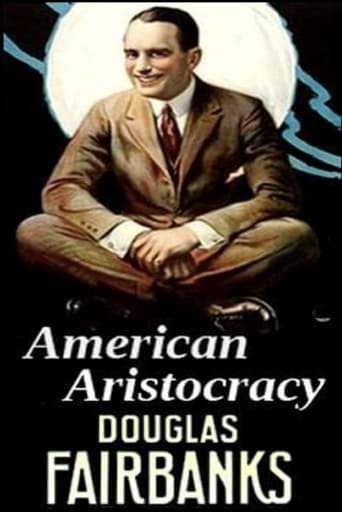
- Acted in the silent feature American Aristocracy (1916), one of his known screen appearances.
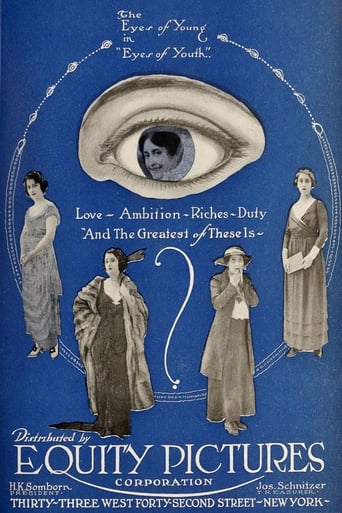
- Directed Eyes of Youth (1919), demonstrating early command of feature-length dramatic filmmaking.
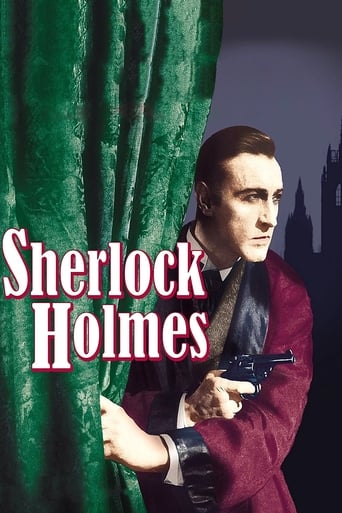
- Directed Sherlock Holmes (1922), contributing to one of the earliest notable screen interpretations of the famous detective in the silent era.
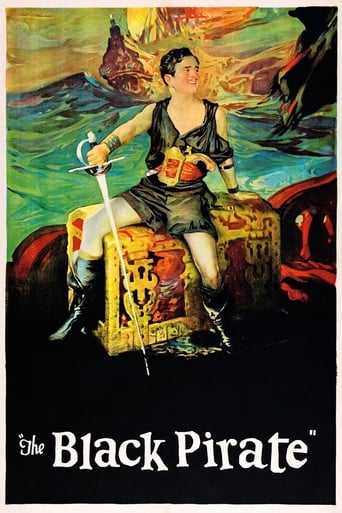
- Directed The Black Pirate (1926), a major Douglas Fairbanks vehicle and.
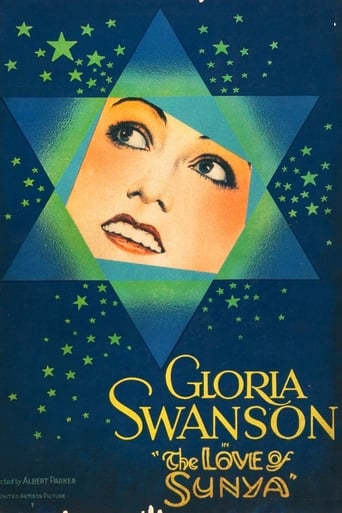
- Directed The Love of Sunya (1927), showing continued work in late silent-era romantic drama.
- Worked during a pivotal period when silent cinema was evolving toward more elaborate spectacle, pacing, and visual sophistication.
Best Known For
Iconic Roles
Must-See Films
Working Relationships
Worked Often With
Studios
Why They Matter
Impact on Culture
Albert Parker’s cultural impact comes primarily through his contribution to the development of polished, audience-friendly silent cinema, especially in genres that depended on visual excitement and narrative momentum. The Black Pirate remains the clearest example of his influence, as it participated in the evolution of the swashbuckler and helped define the look and rhythm of high-style adventure on screen. His work on Sherlock Holmes also belongs to the important early history of translating well-known literary characters into cinema, a practice that became one of Hollywood’s enduring commercial strategies. While Parker was not among the most publicly celebrated directors of his era, he was part of the professional backbone of silent-era filmmaking that made the medium commercially and artistically viable. His films reflect the period’s move toward more sophisticated production values, stronger star vehicles, and genre specialization, all of which became fundamental to classical Hollywood.
Lasting Legacy
Parker’s legacy is that of a dependable and capable silent-era director whose work survives in the historical record through a small number of notable titles rather than a large celebrity persona. The fact that The Black Pirate continues to be cited among the great silent adventure films gives him a secure, if specialized, place in film history. He exemplifies the many early filmmakers whose craft helped establish the conventions later generations inherited: the fluent use of intertitles, visual exposition, star-centered storytelling, and clear action staging. For historians, Parker is important not simply as an individual artist but as representative of the generation of filmmakers who translated theatrical, literary, and popular material into the cinematic grammar of the 1910s and 1920s. His surviving work remains a useful window into the professionalism and visual discipline of silent-era Hollywood.
Who They Inspired
Albert Parker influenced silent-era filmmaking primarily through his contribution to genre cinema, especially adventure and literary adaptation. His handling of The Black Pirate helped demonstrate how dynamic action, star charisma, and elaborate production design could be unified in a silent feature, an approach that influenced later swashbucklers and adventure films. His work on Sherlock Holmes also helped establish how screen adaptations of famous fictional detectives could balance atmosphere, plot clarity, and audience recognition. Although he is not typically cited as a major stylistic innovator, his films contributed to the mainstream professional standards that many later directors adopted. In that sense, his influence is felt less through direct imitation of a personal style and more through the success of the kinds of films he helped bring to the screen.
Off Screen
Reliable biographical details about Albert Parker’s private life are limited in readily accessible classic-cinema reference sources. His surviving historical profile is centered more on his film work than on marriages, family, or domestic biography. No well-established public record in the available reference tradition strongly documents his personal relationships, and therefore those details should be treated cautiously unless confirmed by archival sources. As with many silent-era craftsmen, his public legacy is tied more to studio employment and film authorship than to a heavily chronicled celebrity life.
Did You Know?
- Albert Parker is best remembered today for directing The Black Pirate (1926), a landmark silent adventure film starring Douglas Fairbanks.
- He is one of many early film figures whose career began as an actor before transitioning to directing.
- His known filmography spans the silent era from the mid-1910s to the late 1920s.
- Sherlock Holmes (1922) is among the earlier silent screen interpretations of Arthur Conan Doyle's famous detective.
- His career includes both dramatic and adventure-oriented material, showing notable genre flexibility.
- The Love of Sunya (1927) places him near the end of the silent era, just before sound transformed Hollywood.
- He is not as widely documented in personal biographical sources as some contemporaries, which is common for many silent-era studio craftsmen.
- His name is sometimes overshadowed by the stars of his films, especially Douglas Fairbanks, even though he was responsible for the directing.
Frequently Asked Questions
Who was Albert Parker?
American silent-era actor and on YTB.my. He worked during the formative years of classical Hollywood, helping shape the visual style and storytelling methods of early feature cinema.
What films is Albert Parker best known for?
Titles linked here include The Black Pirate (1926), Sherlock Holmes (1922).
When was Albert Parker born and when did he die?
Reliable birth and death dates are not clearly established in the readily available classic-cinema reference record used here. His documented film activity spans roughly 1916 to 1927, but fuller biographical dates should be verified through archival sources.
What awards did Albert Parker win?
No major awards or nominations are clearly documented for Albert Parker in the surviving mainstream film reference sources. Like many silent-era filmmakers, his reputation rests more on his work itself than on formal awards recognition.
What was Albert Parker's directing style?
Parker’s directing style was practical, visually clear, and well suited to silent cinema’s demands for storytelling without dialogue. He appears to have excelled at genre material, especially adventure and literary adaptation, where pacing, image composition, and narrative clarity were essential.
What is Albert Parker's legacy in film history?
His legacy lies in his contribution to the craftsmanship of silent-era Hollywood, especially through The Black Pirate, which remains an important adventure film. He represents the skilled studio director whose work helped establish the conventions later used throughout classical American cinema.