

Tempe Pigott
Actor
Born: February 2, 1869 in London, England Died: September 6, 1945 Active: 1924-1933
Films
3 films

About Tempe Pigott
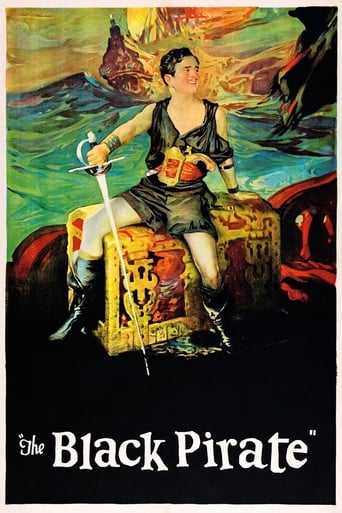
Made her mark in Hollywood during the silent film era, bringing her theatrical background to the silver screen. Born in London in 1869, she began her career on the stage before transitioning to films in her fifties, bringing maturity and gravitas to her roles. Her most significant contribution to cinema came in 1924 when she was cast by Erich von Stroheim as Maria in his masterpiece 'Greed,' a role that showcased her ability to portray complex, working-class characters with authenticity. Pigott continued to work steadily throughout the mid-1920s, appearing in Douglas Fairbanks' swashbuckling adventure 'The Black Pirate' (1926) and other notable productions of the era. Her performances were characterized by a naturalistic style that stood out even in the exaggerated acting style common in silent films. As the industry transitioned to sound, Pigott's career gradually slowed, though she continued to appear in smaller roles into the early 1930s. She spent her final years in Los Angeles, having witnessed the transformation of cinema from silent spectacles to the talking pictures that would define the Golden Age of Hollywood.
The Craft
On Screen
Tempe Pigott was known for her naturalistic and understated acting style, which contrasted with the often exaggerated performances common in silent cinema. She brought a theatrical gravitas and authenticity to her character roles, particularly excelling at portraying working-class women and maternal figures. Her performances were marked by subtle facial expressions and body language that conveyed deep emotion without the need for intertitles, making her particularly effective in dramatic scenes.
Milestones
- Breakthrough role as Maria in Erich von Stroheim's 'Greed' (1924)
- Memorable performance as Duenna in 'The Black Pirate' (1926)
- Supporting role in Lillian Gish's 'The Wind' (1928)
- Appearance in 'The Iron Mask' (1928) alongside Douglas Fairbanks
- Transition from stage actress to successful film character actress in her 50s
Best Known For
Iconic Roles
Must-See Films
Working Relationships
Worked Often With
Studios
Why They Matter
Impact on Culture
Tempe Pigott's contribution to cinema, while not widely recognized by mainstream audiences, represents an important aspect of silent film history - the character actress who brought depth and authenticity to supporting roles. Her performance in Erich von Stroheim's 'Greed' is particularly significant, as the film is now considered one of the greatest masterpieces of cinema history. Pigott's naturalistic acting style helped pave the way for more realistic performances in film, moving away from the theatrical exaggeration that characterized early cinema. As a British actress who successfully transitioned to Hollywood, she was part of the international exchange of talent that enriched American cinema during its formative years.
Lasting Legacy
Tempe Pigott's legacy endures through her memorable performances in some of the most important films of the silent era. While she never achieved stardom status, her work in 'Greed' ensures her place in cinema history, as the film continues to be studied and admired by film scholars and enthusiasts. She represents the countless character actors who provided the foundation upon which the great stars and directors of Hollywood's Golden Age built their masterpieces. Her ability to transition from stage to film at an advanced age serves as an inspiration to performers of all generations, demonstrating that talent and dedication can create opportunities regardless of age.
Who They Inspired
Tempe Pigott influenced subsequent generations of character actresses through her naturalistic approach to performance and her ability to bring depth to supporting roles. Her work with directors like Erich von Stroheim helped establish new standards for realistic acting in cinema. While she may not have directly mentored younger performers, her film performances served as examples for actors studying the craft, particularly in how to convey complex emotions through subtle means in the silent medium. Her success as an older actress in Hollywood helped open doors for other mature performers in the industry.
Off Screen
Tempe Pigott was born in London, England, and began her artistic career on the theatrical stage before transitioning to film. She emigrated to the United States and established herself in Hollywood during the silent film era, successfully making the transition from stage to screen at an age when many actresses were retiring. She never married and had no children, dedicating her life entirely to her craft. Pigott spent her final years in Los Angeles, where she passed away in 1945 at the age of 76, having witnessed the complete transformation of the film industry from silent spectacles to the Golden Age of Hollywood sound cinema.
Education
Theatrical training in London, England (late 19th century)
Did You Know?
- Began her film career at age 55, making her a rare example of an actress starting in movies at an advanced age
- Her role in 'Greed' was one of her first film appearances, yet it became her most enduring performance
- Worked with three of the biggest stars of the silent era: Douglas Fairbanks, Lillian Gish, and John Gilbert
- Despite being British, she specialized in playing American working-class characters
- Appeared in both 'The Black Pirate' (1926) and 'The Iron Mask' (1928), two of Douglas Fairbanks' most famous swashbucklers
- Her performance in 'Greed' was praised by critics for its authenticity and naturalism
- Survived the transition from silent films to talkies, though her roles became smaller
- Never achieved leading lady status but was consistently employed as a reliable character actress
- Worked with some of the most respected directors of her era, including von Stroheim, Victor Sjöström, and King Vidor
- Her death in 1945 came just as Hollywood was entering its post-war golden age
Frequently Asked Questions
Who was Tempe Pigott?
British character actress who worked in Hollywood during the silent film era, best known for her role as Maria in Erich von Stroheim's masterpiece 'Greed' (1924). She began her film career in her fifties after years of stage work and became known for her naturalistic acting style and ability to portray working-class characters with authenticity.
What films is Tempe Pigott best known for?
Titles linked here include Greed (1924), The Black Pirate (1926).
When was Tempe Pigott born and when did she die?
Born February 2, 1869; died September 6, 1945.
What awards did Tempe Pigott win?
Tempe Pigott did not receive any major awards or nominations during her career, which was common for character actors of her era. However, her performances, particularly in 'Greed,' have been critically reassessed over time as the film's reputation has grown.
What was Tempe Pigott's acting style?
Tempe Pigott was known for her naturalistic and understated acting style, which stood out in an era when exaggerated performances were common. She brought theatrical gravitas to her film roles while maintaining authenticity, particularly excelling at conveying deep emotion through subtle facial expressions and body language.
How did Tempe Pigott transition from stage to film?
Tempe Pigott began her career as a stage actress in London before emigrating to the United States. She made her film debut at age 55 in 1924, successfully adapting her theatrical skills to the new medium of cinema. Her stage experience provided her with the technical foundation needed for the demanding work of silent film performance.
Did Tempe Pigott work in talkies?
Yes, Tempe Pigott did transition to sound films, though her roles became smaller as the industry changed. She appeared in a few early talkies in the early 1930s, but her most significant work remained in the silent era. Her career gradually wound down as she entered her sixties.