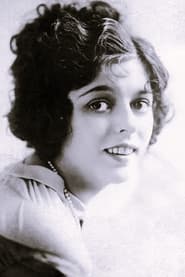
Clarine Seymour
Actor
Born: December 9, 1898 in Brooklyn, New York, USA Died: April 25, 1920 Active: 1918-1920
Films
5 films
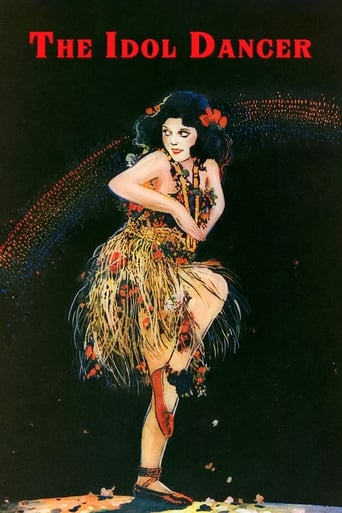
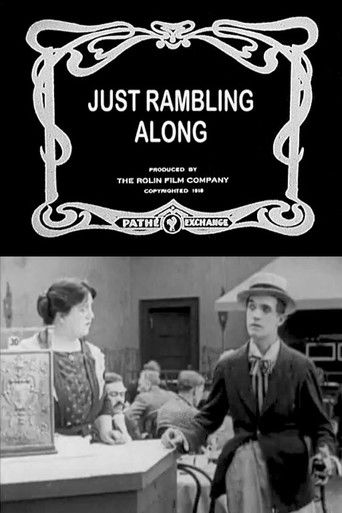
About Clarine Seymour
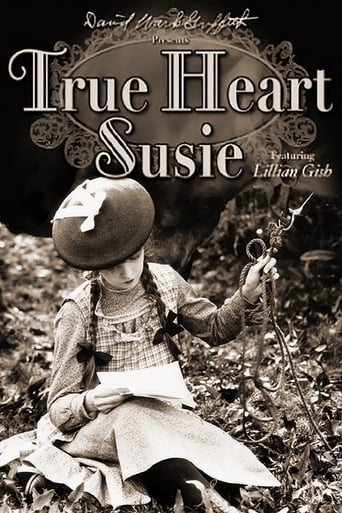
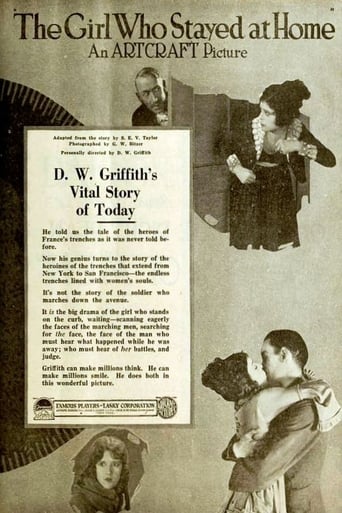
American silent film actress discovered by director D.W. Griffith, who quickly became one of his most promising young performers. Born in Brooklyn in 1898, she began her film career in 1918 after Griffith spotted her in a Broadway production. Her breakthrough came when Griffith cast her in several of his films in 1919, including the critically acclaimed 'True Heart Susie' opposite Lillian Gish. Seymour was known for her natural acting style and screen presence, which set her apart from many of her contemporaries. Griffith considered her his next great discovery and had plans to make her a major star. Tragically, her career was cut short when she contracted pneumonia following surgery in 1920 and died at just 21 years old. Her death shocked the film industry and robbed cinema of a talent many believed would have become one of the era's greatest stars.
The Craft
On Screen
Clarine Seymour was known for her naturalistic and understated acting style, which contrasted with the more theatrical approach common in silent films. She possessed a delicate screen presence and could convey deep emotion through subtle expressions and gestures. Griffith praised her ability to bring authenticity to her roles, noting that she never overacted but instead found the truth in each character. Her performances were marked by a gentle vulnerability and sincerity that resonated with audiences.
Milestones
- Discovered by D.W. Griffith in 1918
- Starred in 'True Heart Susie' (1919) with Lillian Gish
- Became Griffith's protégé and leading lady
- Considered one of Hollywood's most promising young talents before her death
- Appeared in four major Griffith films in 1919-1920
Best Known For
Iconic Roles
Must-See Films
Working Relationships
Worked Often With
Studios
Why They Matter
Impact on Culture
Clarine Seymour's cultural impact lies primarily in what she represented - the tragic loss of potential in early Hollywood. Her brief career and untimely death at 21 highlighted the fragility of life in the early film industry, where medical care was limited and careers could end suddenly. She became part of the narrative of lost talents from the silent era, alongside other early stars who died young. Her work with Griffith contributed to his body of work during one of his most creative periods, and her performances in films like 'True Heart Susie' remain valuable examples of the naturalistic acting style that Griffith championed.
Lasting Legacy
Clarine Seymour's legacy is that of a 'what if' figure in cinema history - a promising talent whose career was cut tragically short before she could achieve her full potential. Film historians often speculate about how her career might have developed had she lived, with many believing she would have become one of the major stars of the 1920s. Her surviving films serve as testament to her talent and the natural acting style that was becoming increasingly valued in the late silent period. She is remembered as one of D.W. Griffith's most promising discoveries and as a symbol of the many young talents lost during cinema's formative years.
Who They Inspired
While her career was too brief for her to have directly influenced other performers, Seymour's naturalistic acting style exemplified the shift away from theatrical gestures toward more subtle, realistic performances that would define mature silent cinema. Her work with Griffith demonstrated how emotional authenticity could be conveyed through the camera lens, influencing how subsequent actresses approached their craft. Her tragic story also served as a cautionary tale about the pressures and dangers faced by young performers in early Hollywood.
Off Screen
Clarine Seymour married William S. Peters, a film director and cameraman, in 1918. The marriage was kept relatively private, as was common for actresses of that era who wanted to maintain their public appeal. She was known to be a dedicated professional who took her craft seriously and was well-liked by her colleagues. Her personal life was tragically brief, ending before she could fully realize either her personal or professional potential.
Education
Limited information available about her formal education, though she likely attended local schools in Brooklyn before pursuing acting.
Family
- William S. Peters (1918-1920)
Did You Know?
- Died at age 21 after contracting pneumonia following surgery
- Was discovered by D.W. Griffith while performing on Broadway
- Griffith considered her his next great discovery after Lillian Gish
- Her death occurred while she was filming 'The Idol Dancer'
- Was married to director William S. Peters
- Her final film 'The Idol Dancer' was released posthumously
- Griffith was reportedly devastated by her death
- She was one of the youngest actresses to work regularly with Griffith
- Her active years covered only two years but included four major films
- Was sometimes billed as 'The Griffith Girl' in publicity materials
In Their Own Words
I want to be remembered as someone who brought truth to the screen, not just pretty pictures.
Working with Mr. Griffith has taught me that acting is not about showing, but about being.
Frequently Asked Questions
Who was Clarine Seymour?
Promising American silent film actress discovered by on YTB.my.W. Griffith in 1918. She appeared in several notable films including 'True Heart Susie' before her tragic death at age 21 in 1920, cutting short what many believed would have been a major career.
What films is Clarine Seymour best known for?
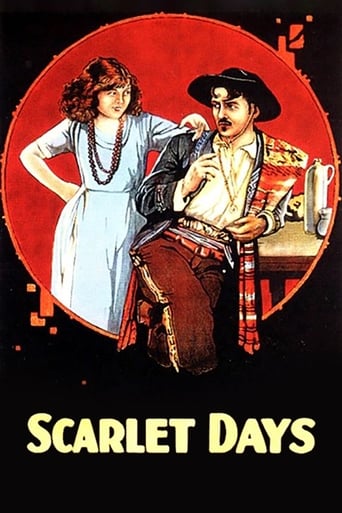
Titles linked here include True Heart Susie (1919), Scarlet Days (1919).
When was Clarine Seymour born and when did she die?
Born December 9, 1898; died April 25, 1920.
What awards did Clarine Seymour win?
Clarine Seymour did not receive any major awards during her brief career, as she was active before the establishment of the Academy Awards and her active years covered only two years before her untimely death.
What was Clarine Seymour's acting style?
Clarine Seymour was known for her naturalistic and understated acting style, which contrasted with the more theatrical approach common in silent films. She conveyed emotion through subtle expressions and was praised for bringing authenticity and sincerity to her roles.