
Russ Powell
Actor
Born: 1875 in Indiana, USA Died: July 27, 1950 Active: 1924-1935 Birth Name: Russell W. Powell
Films
3 films
About Russ Powell
Prolific American character actor: the transition from silent films to early sound cinema. Beginning his film career in the early 1920s, Powell quickly established himself as a reliable supporting player, often cast as authority figures, businessmen, or comic relief characters. His distinctive appearance, characterized by his rotund build and expressive face, made him instantly recognizable to audiences of the era. Powell worked steadily throughout the silent period, appearing in numerous productions for various studios before successfully making the transition to talkies in the late 1920s. His filmography includes over 100 credits, though many of his roles were uncredited or minor parts. Despite never achieving leading man status, Powell's consistent work ethic and versatility made him a valuable asset to Hollywood studios during the golden age of cinema. His career gradually declined in the mid-1930s as the studio system evolved and newer character actors emerged.
The Craft
On Screen
Powell specialized in playing authoritative or comic supporting characters, utilizing his distinctive physical presence and expressive facial features to create memorable performances. His acting style was typical of the transitional period between silent and sound cinema, blending exaggerated gestures from the silent era with the more naturalistic delivery required for talkies. He had a particular talent for playing businessmen, officials, and other figures of authority with a touch of humor or pomposity.
Milestones
- Appeared in over 100 films during his career
- Successfully transitioned from silent films to talkies
- Worked with prominent directors like Frank Capra and Clarence Brown
- Frequent collaborator with comedian Amos 'n' Andy
- Established himself as a reliable character actor in Hollywood's studio system
Best Known For
Iconic Roles
Must-See Films
Working Relationships
Worked Often With
Studios
Why They Matter
Impact on Culture
Russ Powell represents the working character actors who formed the backbone of Hollywood's studio system during the silent and early sound eras. While never a star, his consistent presence in numerous films contributed to the richness and authenticity of Hollywood productions during this formative period. His ability to transition successfully from silent films to talkies demonstrated the adaptability required of actors during this technological revolution in cinema. Powell's career exemplifies the journey of countless supporting actors whose work, while often uncredited, was essential to the success of classic Hollywood films.
Lasting Legacy
Russ Powell's legacy lies in his contribution to the golden age of Hollywood as a reliable character actor who appeared in over 100 films. His filmography serves as a valuable record of the types of supporting roles that populated American cinema during the 1920s and 1930s. While not remembered as a major star, Powell represents the thousands of working actors who brought depth and authenticity to classic films, creating the characters that defined Hollywood's golden age. His career provides insight into the studio system and the importance of character actors in supporting leading performers.
Who They Inspired
As a supporting actor rather than a star, Russ Powell's direct influence on other performers was limited. However, his consistent work and adaptability during the transition from silent to sound films served as a model for other character actors navigating this challenging period. His ability to find steady work across multiple studios demonstrated the possibilities available to versatile supporting players in Hollywood's studio system.
Off Screen
Russell W. Powell was born in Indiana in 1875 and eventually made his way to Hollywood to pursue an acting career. Little detailed information is available about his personal life, as was common for supporting actors of his era who did not achieve major stardom. He lived through the transformative period of early cinema, witnessing the industry's evolution from silent films to talkies. Powell passed away on July 27, 1950, in Los Angeles, California, having lived to see the complete transformation of the film industry he had participated in during its formative years.
Education
Information not available
Family
- Information not available
Did You Know?
- Appeared in over 100 films during his 11-year career
- Successfully made the transition from silent films to talkies
- Often played uncredited roles, making his exact filmography difficult to compile
- Worked with major stars including Mae West and the comedy duo Amos 'n' Andy
- His distinctive rotund build made him a recognizable presence in films
- Appeared in several Frank Capra films early in the director's career
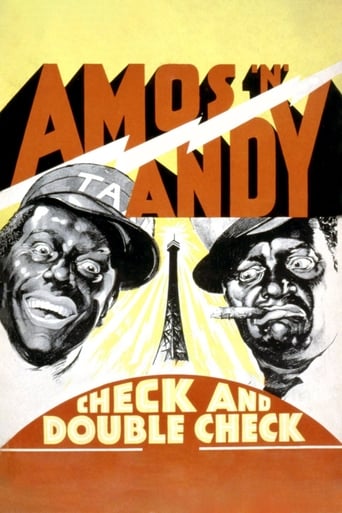
- Was part of the ensemble cast in the landmark Amos 'n' Andy film 'Check and Double Check'
- Like many character actors of his era, often played similar types of roles across different films
- His active years covered the crucial transition period when Hollywood converted to sound
- Died in 1950, having witnessed the complete transformation of the film industry he worked in
In Their Own Words
Information not available
Frequently Asked Questions
Who was Russ Powell?
American character with credits in this catalog. He was known for his distinctive appearance and reliable performances in supporting roles, often playing businessmen, officials, or comic characters.
What films is Russ Powell best known for?
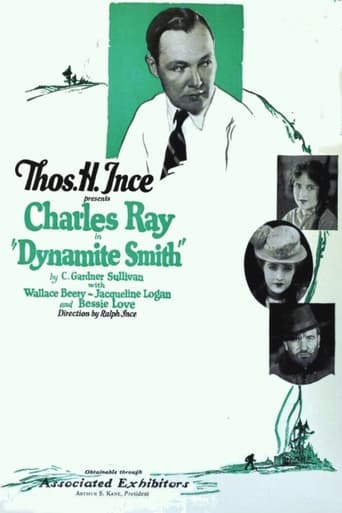
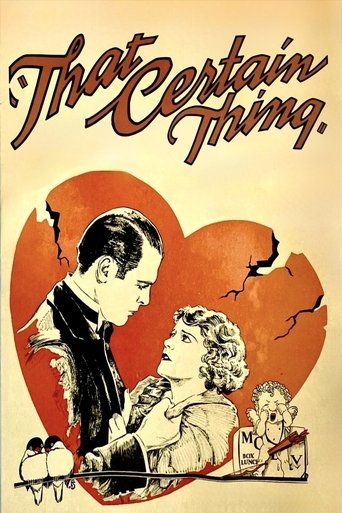
Titles linked here include Dynamite Smith (1924), That Certain Thing (1928).
When was Russ Powell born and when did he die?
Born 1875; died July 27, 1950.
What awards did Russ Powell win?
There are no recorded major awards or nominations for Russ Powell during his career. As a character actor during the studio system era, he was part of the large pool of reliable supporting performers who rarely received formal recognition despite their significant contributions to films.
What was Russ Powell's acting style?
Powell specialized in playing authoritative or comic supporting characters, using his distinctive physical presence and expressive features. His style blended the exaggerated gestures of silent cinema with the more naturalistic delivery required for talkies, making him particularly effective as businessmen, officials, and figures of authority.