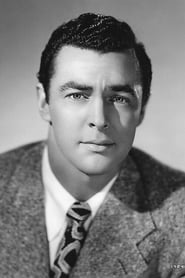
Steve Barclay
Actor
Born: April 7, 1918 in Glendale, California, USA Died: February 24, 1980 Active: 1945-1952 Birth Name: George D. Barnes Jr.
Films
1 film
About Steve Barclay
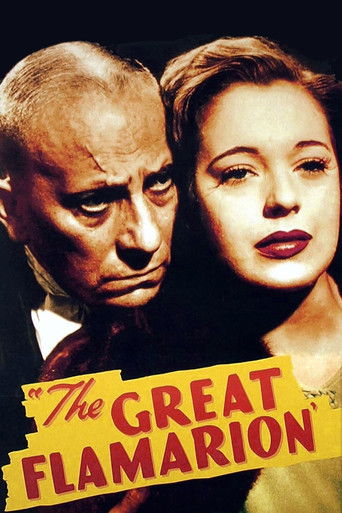
American character actor who worked primarily in Hollywood during the mid-1940s, specializing in film noir and B-movies. Born George D. Barnes Jr., he adopted the stage name Steve Barclay for his acting career in the studio system era. His most notable and widely recognized performance was in Anthony Mann's classic film noir 'The Great Flamarion' (1945), where he played alongside Erich von Stroheim in this atmospheric tale of a circus sharpshooter. Barclay's career, while brief, was representative of the many character actors who populated Hollywood's Golden Age, bringing depth and authenticity to supporting roles that elevated the quality of studio productions. He typically portrayed tough, cynical characters that fit perfectly within the film noir genre's morally ambiguous landscape. Despite his limited filmography, Barclay's work in 'The Great Flamarion' has ensured his place in cinema history as part of respected film noirs of the 1940s. After his acting career diminished in the early 1950s, he largely stepped away from the entertainment industry, living a relatively private life until his death in 1980.
The Craft
On Screen
Barclay's acting style was characterized by a naturalistic, understated approach that fit perfectly within the film noir genre. He brought a world-weary cynicism to his roles, often playing characters who were morally ambiguous or caught in circumstances beyond their control. His performances were marked by a subtle intensity and ability to convey complex emotions through minimal dialogue, relying on facial expressions and body language typical of the noir aesthetic. Barclay had a knack for portraying the everyman caught in extraordinary situations, making his characters relatable despite their often criminal or desperate circumstances.
Milestones
- Breakthrough role in 'The Great Flamarion' (1945)
- Supporting role in 'The Man Who Cheated Himself' (1950)
- Work in film noir genre during its golden age
- Collaboration with director Anthony Mann
- Transition from leading man to character actor
Best Known For
Iconic Roles
Must-See Films
Working Relationships
Worked Often With
Studios
Why They Matter
Impact on Culture
Steve Barclay's cultural impact, while not extensive, is significant within the context of film noir history. His performance in 'The Great Flamarion' contributed to the film's status as a classic example of the genre, showcasing the type of character acting that gave film noir its distinctive texture and depth. As part of the ensemble cast of this influential film, Barclay helped create the atmospheric tension and moral ambiguity that defined noir cinema. His work represents the crucial contributions of character actors to the Golden Age of Hollywood, demonstrating how supporting performances could elevate films to classic status. While never a star, Barclay's legacy lives on through film noir enthusiasts and scholars who study the genre's evolution and the actors who shaped its distinctive style.
Lasting Legacy
Steve Barclay's legacy is primarily tied to his memorable performance in 'The Great Flamarion,' which has ensured his place in film history despite his relatively brief career. As a representative of the countless character actors who populated Hollywood's Golden Age, Barclay exemplifies the talent that existed beyond the star system, bringing authenticity and depth to supporting roles. His work continues to be appreciated by film noir aficionados and cinema historians who recognize the importance of ensemble casting in creating classic films. The preservation of 'The Great Flamarion' and its status as a film noir masterpiece means that new generations of film lovers continue to discover Barclay's contribution to cinema. His career serves as a reminder of the many talented actors who, while never achieving stardom, left an indelible mark on some of Hollywood's most beloved films.
Who They Inspired
Steve Barclay's influence on other actors and filmmakers is primarily indirect, through his work in classic film noir rather than through mentorship or direct collaboration. His naturalistic acting style in 'The Great Flamarion' exemplified the understated approach that would become increasingly valued in American cinema, moving away from the theatrical style of earlier decades. Character actors who followed in film noir and other genres benefited from the path paved by performers like Barclay, who demonstrated the importance of authenticity and subtlety in supporting roles. While he didn't directly mentor other actors, his performances continue to be studied by those interested in the craft of character acting and the specific techniques required for film noir. His work remains part of the cinematic vocabulary that influences actors and directors working in neo-noir and related genres today.
Off Screen
Steve Barclay maintained a relatively private personal life away from the Hollywood spotlight. Unlike many of his contemporaries, he avoided the publicity machine that often surrounded actors during the Golden Age. After his acting career ended in the early 1950s, he largely disappeared from public view, focusing on life outside the entertainment industry. Details about his personal relationships and family life remain scarce, contributing to the enigmatic nature of his legacy. His decision to step away from acting and live a more private life suggests he may have preferred anonymity over the constant scrutiny of fame.
Did You Know?
- His real name was George D. Barnes Jr., which he changed to Steve Barclay for his acting career
- The Great Flamarion was his most famous and widely seen film, though he appeared in several other productions
- He worked with legendary director Anthony Mann early in Mann's career when Mann was still developing his signature style
- Despite his American birth and upbringing, Barclay had a somewhat European look that made him suitable for various character types
- His active years covered the crucial period when film noir was establishing itself as a major American genre
- Like many character actors of his era, he often played roles slightly older than his actual age
- His performance in The Great Flamarion was praised for its subtlety and naturalism, unusual for supporting actors in B-movies
- He appeared in both leading and supporting roles throughout his career, showing versatility but never achieving star status
- His relatively short active years covered less than a decade, typical of many character actors who struggled for consistent work
- The preservation of The Great Flamarion has ensured that his work continues to be seen by new generations of film enthusiasts
Frequently Asked Questions
Who was Steve Barclay?
American character with credits in this catalog. Born George D. Barnes Jr., he had a relatively brief but notable career in Hollywood's Golden Age, appearing in several films that exemplified the film noir genre.
What films is Steve Barclay best known for?
Titles linked here include The Great Flamarion (1945), The Man Who Cheated Himself (1950).
When was Steve Barclay born and when did he die?
Born April 7, 1918; died February 24, 1980.
What awards did Steve Barclay win?
Steve Barclay did not receive any major awards or nominations during his career. Like many character actors of his era, his contributions were primarily recognized through the quality of his performances rather than formal accolades from the industry.
What was Steve Barclay's acting style?
Steve Barclay's acting style was characterized by naturalism and subtlety, perfectly suited for the film noir genre. He specialized in playing world-weary, morally ambiguous characters with a cynical edge, using understated performances that relied on facial expressions and body language rather than dramatic gestures.