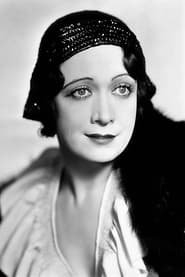
Esther Howard
Actor
Born: April 4, 1892 in Helena, Montana, USA Died: March 8, 1965 Active: 1930-1955
Films
2 films
About Esther Howard
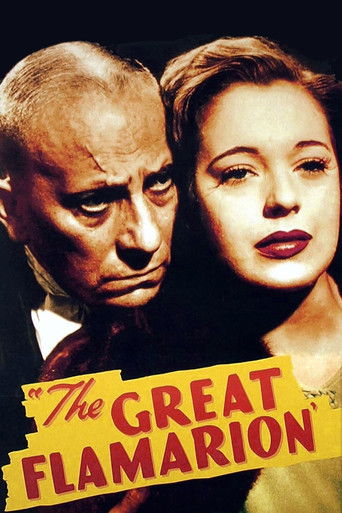
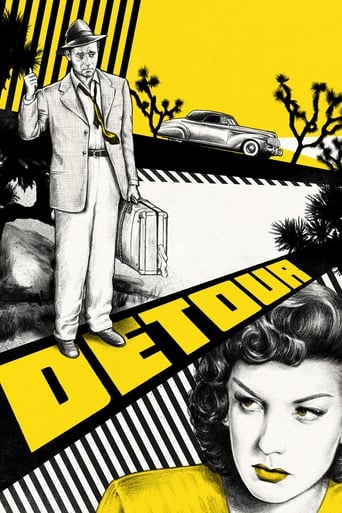
Prolific American character actress: over three decades in Hollywood, though she found her most memorable roles during the film noir era of the 1940s. Born in Montana in 1892, she began her acting career on the stage before transitioning to films in the early 1930s, where she quickly established herself as a reliable supporting player. Howard specialized in portraying tough, world-weary women, often playing landladies, diner waitresses, and other working-class characters who added authenticity to the films she appeared in. Her breakthrough came in the mid-1940s with standout performances in two classic film noirs: Edgar Ulmer's 'Detour' (1945) as the compassionate diner waitress who helps Tom Neal's character, and Anthony Mann's 'The Great Flamarion' (1945) as Mary, the circus performer. Throughout her career, she appeared in over 100 films, working with directors like Howard Hawks, Billy Wilder, and Robert Siodmak, often bringing depth and humanity to roles that could have been one-dimensional. Howard continued acting through the 1950s, appearing in both films and television, before retiring from the screen. She passed away in 1965, leaving behind a legacy of memorable character performances that continue to be appreciated by classic cinema enthusiasts.
The Craft
On Screen
Esther Howard was known for her naturalistic, grounded acting style that brought authenticity to her character roles. She specialized in portraying tough, no-nonsense women who had seen the harsher side of life but maintained their dignity and often showed unexpected compassion. Her performances were marked by a distinctive gravelly voice, world-weary expressions, and an ability to convey complex emotions with minimal dialogue. Howard had a particular talent for making even small supporting roles memorable through her detailed character work and realistic portrayal of working-class women.
Milestones
- Breakthrough role in 'Detour' (1945)
- Memorable performance in 'The Great Flamarion' (1945)
- Appeared in film noir classic 'The Killers' (1946)
- Supporting role in 'The Big Sleep' (1946)
- Part of ensemble cast in 'The Best Years of Our Lives' (1946)
- Featured in 'Born to Kill' (1947)
- Transitioned successfully to television in the 1950s
Best Known For
Iconic Roles
Must-See Films
Working Relationships
Worked Often With
Studios
Why They Matter
Impact on Culture
Esther Howard made a significant contribution to the film noir genre through her authentic portrayals of working-class women who often served as moral anchors or catalysts in the narratives. Her performances helped create the gritty, realistic atmosphere that defined film noir, bringing a sense of everyday reality to these dark tales. Howard's ability to portray women who were both tough and vulnerable influenced how supporting female characters were written and performed in subsequent noir films. Her work in classics like 'Detour' and 'The Great Flamarion' continues to be studied by film scholars as examples of how character actors can elevate genre films through nuanced, believable performances.
Lasting Legacy
Esther Howard's legacy lies in her extensive body of work as a character actress who consistently delivered memorable performances across numerous genres. While never a leading lady, she became one of Hollywood's most recognizable supporting players during the golden age of film noir. Her performances in 'Detour' and 'The Great Flamarion' have ensured her place in cinema history, with these films being regularly screened and studied by film enthusiasts and scholars. Howard represents the unsung heroes of classic cinema - the character actors who provided the texture and authenticity that made films of the era so enduring. Today, she is celebrated by classic film fans for her distinctive presence and the depth she brought to even the smallest roles.
Who They Inspired
Howard's naturalistic acting style and ability to create fully realized characters in limited screen time influenced subsequent generations of character actors. Her success in film noir helped establish the archetype of the tough, world-weary woman that became a staple of the genre. Younger actresses studying classic cinema often look to Howard's performances as examples of how to make supporting roles impactful and memorable. Her work demonstrated that character actors could leave as lasting an impression as stars, paving the way for future performers to build careers as reliable, distinctive supporting players.
Off Screen
Esther Howard was known to be a private person who kept her personal life largely out of the public eye. Despite her long career in Hollywood, she maintained a low profile off-screen and rarely gave interviews about her private affairs. She was respected by her colleagues for her professionalism and dedication to her craft, though she never achieved the level of fame that would have brought intense media scrutiny to her personal life.
Did You Know?
- Despite being born in 1892, Howard didn't begin her film career until her late 30s
- She appeared in over 100 films during her 25-year career
- Her distinctive gravelly voice became her trademark in radio and film
- Howard often played landladies and boarding house owners, becoming typecast in these roles
- She worked with virtually every major Hollywood studio during her career
- Her role in 'Detour' was relatively small but became one of her most memorable performances
- Howard was one of the few character actors to appear in multiple film noir classics
- She successfully transitioned to television in the 1950s, appearing in popular series
- Despite her extensive filmography, she never received above-the-title billing
- Her performances were often praised by critics for their authenticity and naturalism
In Their Own Words
(As the waitress in Detour) 'You look like you've been traveling a long way. Coffee will do you good.'
I never worried about being a star. I just wanted to be a good actress and make a living.'
Every character, no matter how small, deserves to be treated with respect and given a life of their own.'
Frequently Asked Questions
Who was Esther Howard?
American character actress active from the 1930s through the 1950s, best known for her roles in film noir classics like 'Detour' and 'The Great Flamarion.' She specialized in playing tough, working-class women and appeared in over 100 films during her career.
What films is Esther Howard best known for?
Titles linked here include Detour (1945), The Great Flamarion (1945).
When was Esther Howard born and when did she die?
Born April 4, 1892; died March 8, 1965.
What awards did Esther Howard win?
Despite her extensive career and memorable performances, Esther Howard did not receive any major awards or nominations during her lifetime. Like many character actors of her era, her contributions were recognized more by audiences and fellow professionals than by award ceremonies.
What was Esther Howard's acting style?
Esther Howard was known for her naturalistic, grounded acting style that brought authenticity to her character roles. She specialized in portraying tough, no-nonsense women with a distinctive gravelly voice and world-weary demeanor, often conveying complex emotions with minimal dialogue and maximum impact.