Films
2 films
About William A. Boardway
American actor: the transition from silent films to the sound era. Based on his known filmography, he worked as a character actor appearing in supporting roles during the late 1920s through the mid-1940s. His career appears to have been that of a working actor who found steady employment in Hollywood's studio system, though he never achieved leading man status. The 18-year gap between his known credits suggests he may have had additional uncredited or lost film appearances that have not been documented. His appearance in both a silent comedy and a film noir demonstrates his versatility across different genres and eras of Hollywood filmmaking. Like many character actors of his time, Boardway likely played various types of supporting roles that served the stories of bigger stars.
The Craft
On Screen
Based on his limited filmography, Boardway appears to have been a versatile character actor capable of appearing in both comedy and drama genres. His active years covered the crucial transition period from silent films to sound, suggesting he adapted his acting techniques to meet the demands of the new medium.
Milestones
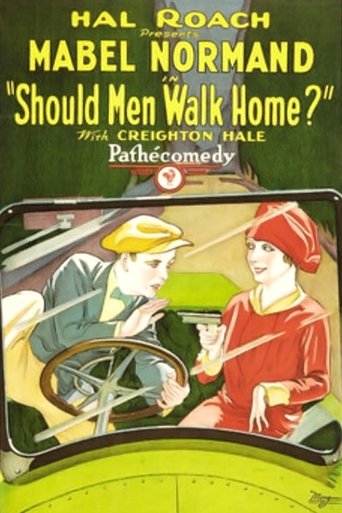
- Appeared in the silent comedy 'Should Men Walk Home?' (1927)
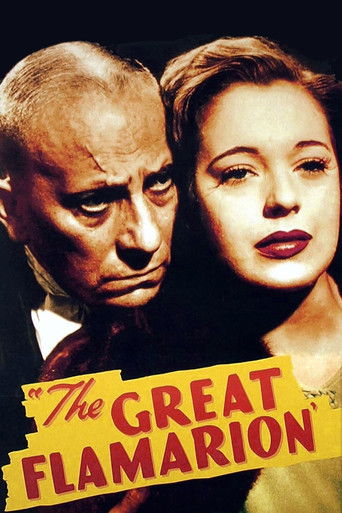
- Had a role in the film noir 'The Great Flamarion' (1945)
- Successfully transitioned from silent films to talkies
- Maintained an acting career across nearly two decades
Best Known For
Iconic Roles
Must-See Films
Why They Matter
Impact on Culture
As a character actor who worked during Hollywood's transition from silent to sound films, William A. Boardway represents the thousands of working actors who formed the backbone of the studio system. While not a major star, actors like Boardway were essential to creating the rich, detailed worlds of classic Hollywood films, providing the supporting performances that gave depth and authenticity to the productions.
Lasting Legacy
William A. Boardway's legacy lies in his contribution to two distinct eras of Hollywood filmmaking - the final years of silent cinema and the emergence of film noir in the 1940s. His career demonstrates the longevity possible for character actors who could adapt to changing industry demands and technologies.
Who They Inspired
As a supporting actor, Boardway's influence would have been primarily on the productions he contributed to rather than on other performers. His ability to maintain a career across nearly two decades suggests a professional reliability that would have been valued by directors and studios.
Off Screen
Very little personal information is available about William A. Boardway, which was common for character actors who did not achieve star status during Hollywood's Golden Age. His private life remains largely undocumented in film history sources.
Did You Know?
- His active years covered the crucial transition from silent films to talkies
- There is an 18-year gap between his known film credits
- He appeared in both comedy and film noir genres
- Like many character actors, much of his filmography may be lost or undocumented
- His name does not appear frequently in major film reference works
- The spelling of his name is distinctive and uncommon in Hollywood records
Frequently Asked Questions
Who was William A. Boardway?
American character with credits in this catalog.
What films is William A. Boardway best known for?
Titles linked here include Should Men Walk Home? (1927), The Great Flamarion (1945).
When was William A. Boardway born and when did he die?
Specific birth and death dates for William A. Boardway are not available in film history records, which was common for supporting actors of his era.
What awards did William A. Boardway win?
There are no documented awards or nominations for William A. Boardway, which was typical for character actors who rarely received major industry recognition.
What was William A. Boardway's acting style?
Based on his filmography, Boardway — versatile character actor capable of working in both comedy and drama genres, successfully adapting his performances from silent to sound films.