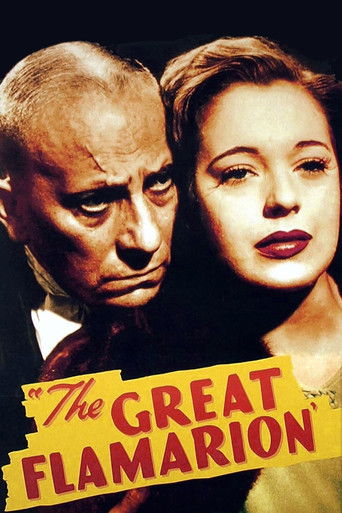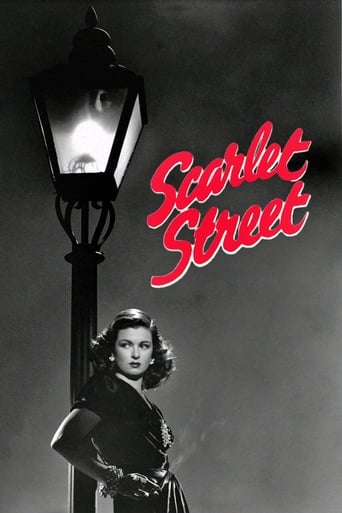
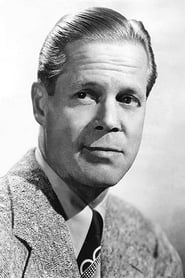
Born: January 23, 1907 in White Plains, New York, USADied: June 7, 1968Active: 1940-1968Birth Name: Daniel Duryea
About Dan Duryea
Dan Duryea was born in White Plains, New York, and began his entertainment career on Broadway before transitioning to Hollywood films in the early 1940s. He quickly established himself as a versatile character actor, though he became particularly renowned for his portrayals of charming yet menacing villains in film noir productions. Duryea's breakthrough came with his role in 'The Little Foxes' (1941), which led to a contract with Universal Studios. Throughout the 1940s and 1950s, he became one of Hollywood's most reliable antagonists, known for his distinctive sneering delivery and ability to make villainous characters somehow sympathetic. His performance in Fritz Lang's 'Scarlet Street' (1945) is widely considered his masterpiece, showcasing his ability to portray complex moral ambiguity. As the studio system declined, Duryea successfully transitioned to television work in the 1960s, starring in the Western series 'The Loner' (1965-1966). His career was tragically cut short when he died of cancer in 1968, leaving behind a legacy of memorable performances that defined the film noir genre.
The Craft
On Screen
Dan Duryea developed a distinctive acting style characterized by his signature sneer, nervous energy, and ability to convey both charm and menace simultaneously. He specialized in playing 'weasel' characters - weak, opportunistic men who could be both pathetic and dangerous. Duryea's naturalistic approach to villainy made his characters feel disturbingly real, often eliciting audience sympathy despite their moral failings. His delivery was marked by a rapid, slightly nervous speech pattern and physical mannerisms that suggested underlying insecurity. Unlike many villains of his era, Duryea brought psychological depth to his antagonists, creating complex characters that defied simple categorization.
Milestones
Broadway debut in 'The Little Foxes' (1939)
Film debut in 'The Little Foxes' (1941)
Breakthrough role in 'Scarlet Street' (1945)
Leading man status in film noir productions
Television series lead in 'The Loner' (1965-1966)
Best Known For
Iconic Roles
Johnny Prince in 'Scarlet Street' (1945)
Al Wallace in 'The Great Flamarion' (1945)
Alan Palmer in 'Too Late for Tears' (1949)
Slim Dundee in 'Criss Cross' (1949)
Waco Johnny Dean in "Winchester
73
(1950)'
],
signatureFilms
Scarlet Street (1945),The Great Flamarion (1945),Too Late for Tears (1949),Criss Cross (1949),Winchester '73 (1950),The Little Foxes (1941),The Woman in the Window (1944),Black Angel (1946)
awards
nominations
honors
Hollywood Walk of Fame star (1960)
personalLife
Dan Duryea married Helen Bryan in 1932, and they remained together until his death in 1968. The couple had two sons, Peter and Richard, with Peter following in his father's footsteps to become an actor. Duryea was known for being a devoted family man who maintained a stable home life despite playing villains on screen. He served in the United States Army during World War II, though his service was brief due to a medical discharge. Friends and colleagues described him as the complete opposite of the characters he portrayed - kind, gentle, and generous. His son Peter later noted that his father never brought his work home and was an excellent parent who shielded his children from the darker aspects of Hollywood.
spouses
Helen Bryan (1932-1968)
children
Peter Duryea (actor, born 1939),Richard Duryea (born 1942)
education
Cornell University (graduated 1928), studied journalism and drama
Fritz Lang (director),Edward G. Robinson (actor),Joan Bennett (actress),Robert Siodmak (director),Anthony Mann (director)
mentors
William Wyler (director)
protégés
Peter Duryea (his son)
culturalImpact
Dan Duryea significantly influenced the film noir genre, helping to define the archetype of the charming but dangerous antagonist. His performances challenged audiences to sympathize with morally compromised characters, contributing to the genre's exploration of postwar anxiety and moral ambiguity. Duryea's distinctive style influenced subsequent generations of character actors, particularly those specializing in villainous roles. His work in films like 'Scarlet Street' and 'Criss Cross' became touchstones for understanding the psychological complexity of film noir antagonists. Beyond film noir, his Western roles helped redefine the genre's villain, moving away from simplistic evil toward more nuanced characterization. Duryea's television work in the 1960s demonstrated his adaptability to changing media landscapes, bridging classic Hollywood and modern television acting styles.
legacy
Dan Duryea's legacy endures through his extensive filmography, particularly his contributions to film noir, where he created some of the genre's most memorable villains. His ability to make unsympathetic characters relatable influenced the development of more complex antagonists in American cinema. Film scholars frequently cite his performances as examples of how character actors can elevate genre films through nuanced performances. Duryea's work continues to be studied in film schools for its technical precision and emotional depth. His Hollywood Walk of Fame star serves as a permanent tribute to his contributions to cinema. Modern actors who specialize in playing complex antagonists often acknowledge Duryea's influence on their approach to character development.
influence
Dan Duryea influenced numerous actors who followed in his footsteps, particularly those specializing in character roles and villainous performances. His naturalistic approach to playing villains inspired actors like Robert Ryan, Richard Widmark, and later, character actors such as Christopher Walken and Willem Dafoe. Directors studying film noir often analyze Duryea's performances to understand how to create compelling antagonists. His technique of combining physical weakness with psychological menace became a template for playing 'weasel' characters. Method actors studying the craft often reference Duryea's ability to maintain character consistency while appearing naturalistic. Contemporary character actors in crime dramas and noir-influenced films continue to draw inspiration from his distinctive style and approach to morally ambiguous characters.
trivia
Duryea was a college athlete at Cornell University, playing football and baseball,He initially worked as an advertising executive before turning to acting,His distinctive sneer was partly the result of a dental injury sustained in college,Despite playing villains, he was reportedly terrified of guns in real life,He was one of the few actors who successfully transitioned from leading man to character actor without career decline,Duryea appeared in over 100 films and television shows during his career,He was a skilled horseman, which served him well in his many Western roles,His son Peter appeared with him in the film 'The Young Loner' (1968), Dan's final film,Duryea was known for never using foul language on or off set,He turned down the lead role in 'Double Indemnity' (1944), which went to Fred MacMurray
famousQuotes
I'm the guy you love to hate. I've made a career out of it.,Playing the heavy is easy. You just have to find the one thing the character loves and then threaten to take it away.,In real life, I'm a coward. I'm afraid of everything. That's why I'm such a good actor - I understand fear.,The secret to playing a villain is finding something human in them. Even the worst person has a moment of vulnerability.,I never bring my work home. My children don't know that Daddy is the bad guy on screen.