Susan Cabot
Actor
Born: July 9, 1927 in Boston, Massachusetts, United States Died: December 10, 1986 Active: 1950-1963 Birth Name: Harriet Pearl Shapiro
Films
1 film
About Susan Cabot
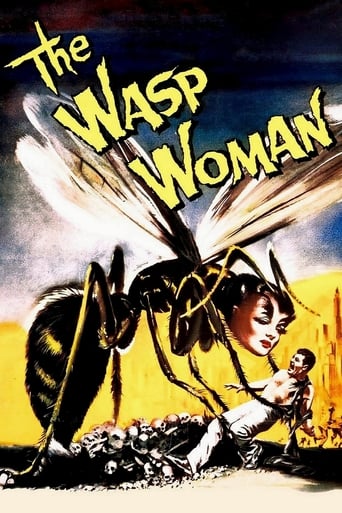
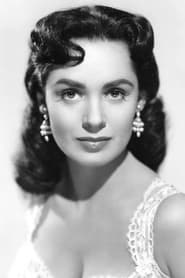
American actress best remembered for her work in low-budget genre cinema of the 1950s, especially science fiction, westerns, and adventure films. Born Harriet Pearl Shapiro in Boston, Massachusetts, she grew up in a working-class Jewish family and later adopted the professional name Susan Cabot as she entered the film industry. After early work as a model and bit player, she was signed by Universal-International and gained attention as a striking blonde presence in a series of action pictures and Technicolor B-movies. Her best-known performance is the title role in The Wasp Woman (1959), durable cult films of the late 1950s, which helped cement her reputation as a queen of drive-in horror and science-fiction cinema. She also appeared in Westerns and historical adventures, often cast as a spirited, independent woman, and her screen persona combined glamour with toughness. Cabot's career was relatively brief, and after the late 1950s she worked less frequently on film and television. Her life ended tragically in 1986, and her biography has continued to attract attention because of both her cult-film legacy and the dramatic circumstances of her death.
The Craft
On Screen
Cabot's acting style was rooted in the brisk, direct performance manner of 1950s studio genre films, with an emphasis on physical presence, expressive looks, and clear emotional contrasts. She often played strong-willed or alluring women whose confidence concealed vulnerability, which suited the suspense and melodrama of her projects. In her best-known roles, she combined a polished Hollywood glamour with a hard-edged intensity that made her especially effective in horror and adventure pictures. Her performances tended to be economical rather than expansive, reflecting the fast pace and modest production values of the films in which she appeared.
Milestones
- Signed by Universal-International and became a recognizable face in mid-century studio genre filmmaking
- Starred in The Wasp Woman (1959), her most famous and enduring cult role
- Appeared in a string of science-fiction, adventure, and western films that made her a familiar B-movie leading lady
- Worked in both film and television during the 1950s and early 1960s
- Built a lasting reputation among cult-cinema fans for her dramatic, glamorous screen presence in low-budget horror and sci-fi productions
Best Known For
Iconic Roles
Must-See Films
Working Relationships
Worked Often With
Studios
Why They Matter
Impact on Culture
Susan Cabot occupies an important place in cult cinema history because she became one of the defining faces of 1950s low-budget science fiction and horror. The Wasp Woman in particular has endured through television revivals, home video, and repertory screenings, giving her a permanent place in the canon of drive-in and B-movie fandom. Her image as a glamorous but dangerous or imperiled woman fit the era's anxieties about femininity, science, and transformation, making her roles useful for later critics studying mid-century genre film. Although she was never an A-list star, her performances are emblematic of how studio-system supporting players could become iconic within specialized film cultures. Her work continues to be referenced in discussions of female-led horror, cult movie stardom, and the visual style of 1950s genre filmmaking.
Lasting Legacy
Cabot's legacy rests less on volume of output than on the enduring memorability of a handful of roles, especially The Wasp Woman. She is remembered by classic horror and science-fiction enthusiasts as a distinctive leading lady whose screen persona brought a combination of beauty, severity, and emotional tension to inexpensive productions. Her career also illustrates how many talented actresses of the studio era worked primarily in genre pictures, where they could achieve lasting recognition even without major awards or prestige vehicles. Because her life ended tragically and under disturbing circumstances, biographies of Cabot often merge film history with true-crime interest, which has kept her name in circulation beyond her original filmography. For modern viewers, she represents both the glamour and the fragility of postwar Hollywood B-movie stardom.
Who They Inspired
Cabot influenced later generations of cult-film actresses through the archetype she helped establish: the poised, commanding heroine of science-fiction and horror films who is both objectified and central to the drama. Her performance in The Wasp Woman remains a touchstone for discussions of female transformation narratives and atomic-age anxiety in cinema. She also helped define the look of the polished, high-contrast B-movie actress, a template echoed in later exploitation and retro-horror filmmaking. While not a broadly cited influence in mainstream acting pedagogy, she is highly regarded among genre historians and fans who value her contributions to the aesthetic of 1950s studio-produced horror and adventure films.
Off Screen
Susan Cabot's personal life was marked by instability and tragedy, and it has often been discussed alongside her film career. She was married and divorced more than once, and she had a son, Timothy, who was central to the final years of her life. Public records and later reporting suggest that her later years were troubled, and her death became the subject of intense media attention because of the circumstances surrounding it. Despite a brief mainstream career, she remained a memorable figure to fans of mid-century genre cinema. Details of her private life are often less documented than her screen work, but her name continues to be associated with both cult film history and a highly tragic personal narrative.
Education
She attended local schools in Boston; no extensive formal acting education is reliably documented in standard film references.
Family
- Robert Knapp (1950-1957)
- Michael F. Fortunato (1959-1964)
Did You Know?
- Her birth name was Harriet Pearl Shapiro, and she adopted the more Hollywood-friendly screen name Susan Cabot.
- She is best remembered today for The Wasp Woman, which has become a cult favorite in horror and science-fiction circles.
- Cabot appeared in several Westerns and adventure films, not only horror, and was frequently cast as a strong, self-possessed woman.
- She worked during a period when Universal was a major producer of compact, audience-friendly genre films for theaters and drive-ins.
- Her career demonstrates how a performer could become iconic within cult cinema without achieving major awards recognition.
- She was active in an era when actresses were often typecast by appearance, and she was frequently used for glamour-centered roles.
- Later accounts of her life have often focused on the tragic and highly publicized circumstances of her death.
- Despite a relatively short screen career, she remains a recognizable name among classic horror fans.
Frequently Asked Questions
Who was Susan Cabot?
American actress best known for appearing in 1950s genre films, especially science fiction, horror, westerns, and adventure pictures. Her most famous role is the title character in The Wasp Woman (1959), which made her a cult favorite among classic horror fans.
What films is Susan Cabot best known for?
Titles linked here include The Wasp Woman (1959), Indian Warrior (1958).
When was Susan Cabot born and when did she die?
Born July 9, 1927; died December 10, 1986.
What awards did Susan Cabot win?
No major industry awards or widely documented nominations are associated with her career. Her reputation comes primarily from her cult-film legacy rather than formal award recognition.
What was Susan Cabot's acting style?
Cabot's style was concise, direct, and highly suited to studio-era genre filmmaking. She projected glamour and authority while also conveying vulnerability, which made her effective in suspenseful and melodramatic roles.
What was Susan Cabot's legacy in film history?
Her legacy lies in her status as one of the memorable actresses of 1950s B-movie cinema. She remains especially important to fans and historians of cult horror because The Wasp Woman has endured as a classic drive-in era title.