
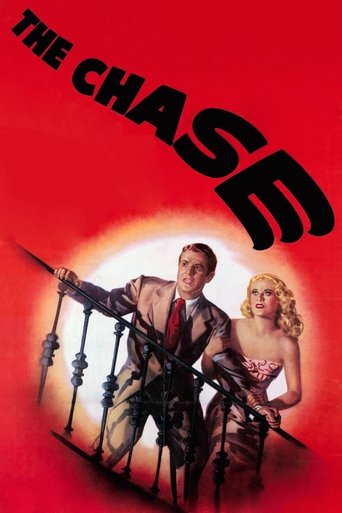
The Fast and the Furious
"Speed, suspicion, and the border ahead"
Keys: Space play/pause · ←/→ 10s · F fullscreen · M mute · </> speed
About this film
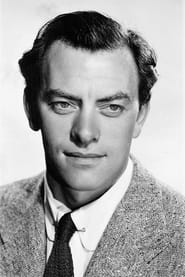
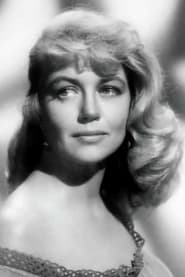
Escaped convict Tony and society woman Linda flee in a stolen Jaguar toward Mexico and a road race that tests their uneasy bond. Roger Corman's 1954 B-picture lent its title to a later franchise unrelated in plot.
Cast & crew
More films like this
More Action films
View all →
More from John Ireland
View all →

More about this film
About the production
Release dateOctober 1954
Budget$75,000
Box officeLimited theatrical release, modest returns typical of B-movies of the era
ProductionAmerican Releasing Corporation (ARC), Malibu Productions
Filmed inLos Angeles, California, Malibu, California, Mojave Desert, California, Tijuana, Mexico border
Filmed in just 9 days on a shoestring budget, the movie utilized real Jaguar XK120s owned by the producers. The racing sequences were filmed without permits on actual California highways, with police cars being local law enforcement vehicles rented for the production. The film's tight schedule required Ireland to direct while also playing the lead role, often having to direct scenes between takes.
Themes
Wrongful imprisonment and redemptionFreedom vs. authorityTrust and betrayalThe American road as metaphorClass differences and romance
Themes & topics
prison escapecarjackingroad racecross-border chasewrongful accusationdeveloping romancepolice pursuitJaguar XK1201950s CaliforniaB-movie noir
Historical background
American International Pictures marketed youth-oriented exploitation fare as drive-in culture expanded in the mid-1950s.
Why this film matters
Known today mainly for its name reuse; it exemplifies quick-turnaround indie thrillers of the period.
Making of
The production was characteristic of Roger Corman's early filmmaking approach - minimal budget, maximum exploitation of available resources. Ireland, an experienced actor but novice director, relied heavily on his cast's professionalism to complete the film quickly. The racing sequences presented the biggest challenge, as the production couldn't afford to close roads. Instead, they filmed during early morning hours with minimal traffic. The Jaguar's distinctive sound was enhanced in post-production to create more dramatic effect. Dorothy Malone, coming from more prestigious studio productions, initially struggled with the film's rapid pace but eventually embraced the B-movie aesthetic. The relationship between Ireland and Malone off-screen mirrored their characters' evolving dynamic, adding authenticity to their performances.
What critics said
Little contemporary prestige; cult interest grew among Corman completists and automotive noir fans.
Did you know?
- This film has no connection to the modern 'Fast & Furious' franchise, though Universal Pictures briefly considered suing over the title similarity in 2001.
- The Jaguar XK120 used in the film was owned by producer Roger Corman, who purchased it specifically for the movie.
- John Ireland both directed and starred in the film, one of his few directorial efforts.
- The film was shot in sequence to accommodate the tight budget and schedule.
- Many of the racing scenes were filmed at actual speeds of over 100 mph with minimal safety equipment.
- Dorothy Malone performed some of her own driving stunts, unusual for actresses of the period.
- The movie was originally titled 'The Chase' but was changed to capitalize on the growing popularity of racing films.
- This was one of the first films produced by American Releasing Corporation, which later became American International Pictures (AIP).
- The border crossing scenes were filmed at the actual Tijuana border crossing without official permits.
- The film's success helped establish the template for AIP's future exploitation films.
Visual style
The cinematography by Floyd Crosby utilizes the stark beauty of the California desert and coastline to create a sense of both freedom and isolation. The racing sequences employ innovative camera techniques for the time, including cameras mounted on vehicles to capture dynamic movement. The contrast between the sleek, modern Jaguar and the rugged American landscape creates visual tension throughout the film. Night scenes use high-contrast lighting typical of film noir, while daytime racing sequences take advantage of natural sunlight to create a sense of speed and danger. The framing often emphasizes the confinement of the car's interior against the expansive outside world.
Innovations
The film pioneered several techniques that would become standard in car chase cinematography. The production developed innovative camera mounting systems for vehicles that allowed for stable shooting at high speeds. The editing of racing sequences, particularly the cross-cutting between multiple cars and perspectives, influenced subsequent action films. The film's efficient use of location shooting without permits demonstrated new possibilities for low-budget filmmaking. The sound recording techniques used to capture authentic engine sounds during high-speed sequences were groundbreaking for the period.
Music
The musical score, composed by Alexander Laszlo, incorporates jazz elements that were popular in 1950s film noir. The soundtrack emphasizes percussive elements during racing sequences to enhance the sense of speed and tension. Romantic themes use string arrangements that underscore the developing relationship between the leads. The film's sound design was particularly notable for its emphasis on the Jaguar's engine sounds, which were mixed to create a distinctive auditory signature. The score was released on LP record in a limited pressing, making it a collector's item among film music enthusiasts.
Famous quotes
You can't escape your past by running from it - you have to drive through it.
This isn't just a race, it's our only chance.
In a car like this, speed isn't just an option, it's survival.
They think we're running from the law. They don't know we're running toward something better.
Every mile closer to Mexico is another mile away from who we were.
Memorable scenes
- The opening prison escape sequence where Frank Webster breaks free under cover of darkness
- The tense carjacking scene where Frank first confronts Connie in her Jaguar
- The mountain pass racing sequence with dramatic cliffside maneuvers
- The border crossing climax where the race reaches its dramatic conclusion
- The intimate desert night scene where Frank and Connie's relationship transforms
What audiences thought
The film found modest success with drive-in theater audiences, who appreciated its fast pace and exciting racing sequences. Teenage audiences of the 1950s responded particularly well to the car-centric action and rebellious themes. The film developed a minor cult following among film noir enthusiasts and car racing fans in subsequent decades. Modern audiences discovering the film through revival screenings and home video have been surprised by its energy and the chemistry between Ireland and Malone. The film's brevity and straightforward storytelling have made it a favorite among those who appreciate efficient, no-nonsense filmmaking.
Film connections
Influenced by
- The Big Sleep (1946)
- Detour (1945)
- The Hitch-Hiker (1953)
- Film noir conventions
- Road movie archetypes
This film influenced
- Bullitt (1968)
- Vanishing Point (1971)
- Dirty Mary, Crazy Larry (1974)
- The Cannonball Run (1981)
- Smokey and the Bandit (1977)
Film restoration
The film survives in complete form and has been preserved by the Academy Film Archive. A restored version was released on Blu-ray by Kino Lorber in 2019, featuring a new 2K transfer from original film elements. The restoration revealed surprisingly good image quality given the film's low-budget origins. Some original soundtrack elements were missing and have been reconstructed from existing prints.
Where to watch
- Available on Blu-ray from Kino Lorber
- Streaming on The Criterion Channel
- Digital rental on Amazon Prime Video
- Occasionally airs on Turner Classic Movies
- Available for purchase on iTunes and Google Play