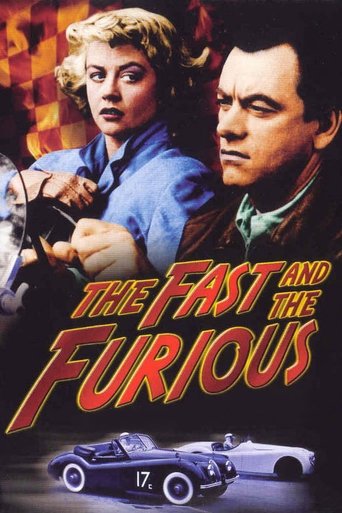
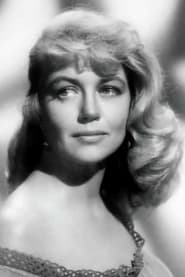
Dorothy Malone
Actor
Born: January 30, 1924 in Chicago, Illinois, USA Died: January 19, 2018 Active: 1943-1992 Birth Name: Dorothy Eloise Maloney
Films
1 film
About Dorothy Malone
Dorothy Malone is credited on a single production — Basic Instinct (1992). Despite personal challenges including battles with alcoholism, Malone maintained a steady acting career through the 1980s and made her final film appearance in 'Basic Instinct' (1992). Her legacy endures as one of Hollywood's most versatile actresses who successfully transitioned from innocent ingenue to sophisticated femme fatale.
The Craft
On Screen
Malone was known for her emotional intensity and ability to portray complex, often troubled characters with depth and authenticity. Her style evolved from playing sweet, innocent characters in her early career to embodying sophisticated, sexually charged women in her prime years. She had a particular talent for conveying inner turmoil and psychological conflict through subtle facial expressions and body language, making her especially effective in melodramas and film noir. Her platinum blonde transformation in the mid-1950s marked a shift toward more provocative roles where she could showcase her range in playing characters wrestling with desire, jealousy, and emotional instability.
Milestones
- Academy Award win for 'Written on the Wind' (1956)
- Starred in 'Peyton Place' TV series (1964-1968)
- Transition from ingenue to femme fatale roles
- Work with director Douglas Sirk on multiple films
- Final appearance in 'Basic Instinct' (1992)
Best Known For
Iconic Roles
Must-See Films
Accolades
Won
- Academy Award for Best Supporting Actress (1957) for 'Written on the Wind'
- Golden Globe Award for Best Supporting Actress (1957) for 'Written on the Wind'
Nominated
- Primetime Emmy Award nomination for Outstanding Continued Performance by an Actress in a Leading Role in a Dramatic Series (1966) for 'Peyton Place'
Special Recognition
- Hollywood Walk of Fame star (1960)
- Golden Palm Star on the Palm Springs Walk of Stars
Working Relationships
Worked Often With
Studios
Why They Matter
Impact on Culture
Dorothy Malone represented the transformation of Hollywood actresses from the constrained roles of the studio system era to more liberated, complex characters in the 1950s and beyond. Her Oscar-winning performance in 'Written on the Wind' became iconic for its portrayal of repressed sexuality and emotional turmoil in post-war America, reflecting the changing social mores of the 1950s. As Constance McKenzie in 'Peyton Place', she helped pioneer the primetime soap opera format, dealing with controversial topics like illegitimacy, rape, and mental illness that pushed television boundaries. Her evolution from brunette ingenue to platinum blonde femme fatale mirrored Hollywood's shifting attitudes toward female sexuality and independence.
Lasting Legacy
Dorothy Malone's legacy endures through her influential performances that challenged traditional gender roles and pushed the boundaries of what was acceptable on screen. Her Academy Award win remains significant as recognition for a performance that embodied the complexity of female desire and frustration in 1950s America. Her work in film noir and melodrama continues to be studied by film scholars for its technical excellence and emotional depth. The television series 'Peyton Place', in which she starred for four years, paved the way for future primetime soap operas dealing with adult themes. Malone's career trajectory from contract player to award-winning leading lady serves as an example of how actors could successfully navigate and transcend the limitations of the Hollywood studio system.
Who They Inspired
Malone influenced subsequent generations of actresses through her willingness to take on challenging, unconventional roles that explored the darker aspects of human nature. Her success in transforming her public image from innocent to sophisticated demonstrated to other actors the possibility of breaking free from typecasting. Her work with director Douglas Sirk helped establish the visual and thematic language of melodrama that would influence directors like Todd Haynes and Rainer Werner Fassbinder. Many contemporary actresses who play complex, morally ambiguous characters in dramatic roles owe a debt to Malone's work in making such characters compelling and sympathetic to audiences.
Off Screen
Dorothy Malone was married three times and had two daughters. She struggled with alcoholism for many years, which affected both her personal life and career, particularly during her time on 'Peyton Place'. She sought treatment and overcame her addiction in the early 1970s. Later in life, she lived a relatively private life in Dallas, Texas, and Charlotte, North Carolina, before moving to an assisted living facility in her final years. She maintained friendships with several Hollywood colleagues and occasionally participated in film retrospectives and interviews about her classic film work.
Education
Southern Methodist University, University of Texas at Austin (studied drama)
Family
- Jacques Bergerac (1959-1964)
- Tom Gallagher (1969-1975)
- Robert Tomarkin (1959, annulled)
Did You Know?
- Originally cast as a brunette ingenue, she bleached her hair platinum blonde in 1956 which dramatically changed her career trajectory
- Her Oscar win for 'Written on the Wind' was considered an upset over more established nominees
- She was the first actress to receive a million-dollar salary for a television role in 'Peyton Place'
- Her birth name was Maloney, but she dropped the 'e' for her stage name
- She appeared in over 80 films and television shows throughout her career
- Her performance in 'Written on the Wind' was ranked #47 on Premiere Magazine's 100 Greatest Performances of All Time
- She was discovered by a talent scout while performing in a college play at Southern Methodist University
- Her character in 'Peyton Place' was originally written to be killed off, but was kept due to her popularity
- She struggled with dyslexia throughout her life
- Her final film appearance was as Sharon Stone's character's mother in 'Basic Instinct' (1992)
In Their Own Words
I never thought of myself as a sex symbol. I was just an actress trying to do her job.
Winning the Oscar changed my life completely. Suddenly I was getting offers for the kinds of roles I'd always wanted to play.
The hardest thing about being an actress is keeping your personal life private while your professional life is so public.
Douglas Sirk taught me how to find the truth in even the most melodramatic situations.
Television was a wonderful experience for me. It gave me stability and allowed me to be there for my children.
Frequently Asked Questions
Who was Dorothy Malone?
American actress who won an Academy Award for Best Supporting Actress for her role in 'Written on the Wind' (1956). She had a career spanning nearly 50 years, transitioning from ingenue roles to sophisticated femme fatale characters, and later starred in the TV series 'Peyton Place'.
What films is Dorothy Malone best known for?
Titles linked here include Written on the Wind (1956), The Big Sleep (1946).
When was Dorothy Malone born and when did she die?
Born January 30, 1924; died January 19, 2018.
What awards did Dorothy Malone win?
Dorothy Malone won both the Academy Award and Golden Globe for Best Supporting Actress in 1957 for her performance in 'Written on the Wind'. She also received a Primetime Emmy nomination for her work on 'Peyton Place' and has a star on the Hollywood Walk of Fame.
What was Dorothy Malone's acting style?
Malone was known for her emotional intensity and ability to portray complex, troubled characters. She evolved from playing sweet ingenues to sophisticated, sexually charged women, with particular skill in conveying psychological conflict through subtle expressions and body language, making her especially effective in melodramas and film noir.