Barmaley
"Soviet animated film"
Keys: Space play/pause · ←/→ 10s · F fullscreen · M mute · </> speed
About this film
The Screen version of the fairy tale of K.Chukovskogo about malicious robber Barmaley and brave children little Tanechka and little Vanechka. With the help of doctor Aibolit they manage to win it. They go to Africa to put an end to evil deeds of Barmaley.
Cast & crew
More films like this
More Animation films
View all →



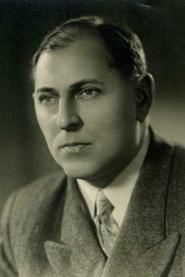
More from Leonid Amalrik
View all →
More about this film
About the production
Release date1941
ProductionSoyuzmultfilm
Filmed inMoscow, Soviet Union
This film was created using traditional hand-drawn cel animation techniques typical of early Soviet animation. The production took place during a pivotal moment in Soviet history, just before the Great Patriotic War (WWII). The animation team worked under the direction of Leonid Amalrik, one of the pioneers of Soviet animation, who brought Chukovsky's whimsical characters to life with distinctive visual style. The film features vibrant colors and exaggerated character designs characteristic of Soviet animation of this era, with particular attention paid to creating expressive faces for both human and animal characters.
Themes
Courage in the face of dangerFriendship and cooperationGood versus evilThe power of children to make a differenceKindness and compassion
Themes & topics
Historical background
Barmaley (1941) circulated in studio-era and wartime programming. The Screen version of the fairy tale of K.Chukovskogo about malicious robber Barmaley and brave children little Tanechka and little Vanechka. Contemporary trade papers and later preservation notes document its place among theatrical and archive releases.
Why this film matters
Barmaley remains accessible to researchers and viewers as a screen title in museum, archive, and streaming collections. Programmers cite it when tracing regional production history and surviving early prints.
Making of
The production of 'Barmaley' took place at Soyuzmultfilm, the premier Soviet animation studio founded in 1936. Leonid Amalrik, who had previously worked on several successful animated shorts, brought together a team of talented animators to adapt Chukovsky's beloved poem. The animation process was entirely hand-drawn, with each frame carefully crafted on paper before being transferred to celluloid sheets for coloring. The voice actors were prominent figures in Soviet theater and radio, bringing distinctive personalities to each character. The musical score was composed to enhance the adventurous tone while incorporating elements that would appeal to children. Despite the challenging political climate and looming threat of war, the production team maintained a focus on creating an entertaining and educational film that would delight young audiences while promoting positive values of courage, friendship, and standing up to bullies.
What critics said
Day-one reviews for Barmaley are sparse in digitized press archives; later criticism treats it as a reference point for 1941 cinema programming and preservation.
Did you know?
- The film is based on one of Korney Chukovsky's most famous children's poems, first published in 1925
- Director Leonid Amalrik was one of the founding fathers of Soviet animation and worked on over 100 animated films during his career
- The character Doctor Aibolit (Aibolit means 'ow! it hurts' in Russian) became especially beloved characters in Soviet children's literature and animation
- The film was released just weeks before Nazi Germany invaded the Soviet Union in June 1941
- The animation style was influenced by both traditional Russian folk art and contemporary European animation techniques
- Barmaley's character design was meant to be intimidating but not too frightening for young audiences
- The film's message about courage and helping others was particularly relevant during the difficult wartime period
- Chukovsky himself was involved in the adaptation process, ensuring the film remained faithful to his original work
- The African setting was depicted with exotic flora and fauna to create a sense of adventure and wonder for Soviet children
- The film's success led to multiple adaptations and references in later Soviet and Russian media
Visual style
The visual style of 'Barmaley' employs vibrant hand-drawn animation characteristic of early Soviet feature films. The cinematography uses bright, saturated colors to create the exotic African setting, with lush greens for the jungle and warm yellows and oranges for the landscape. Character designs are exaggerated and expressive, with large eyes and distinctive silhouettes that make each character instantly recognizable. The animation employs smooth movements and dynamic action sequences, particularly during the confrontation between the children and Barmaley. The film uses a variety of camera angles and movements to create visual interest, including close-ups for emotional moments and wider shots to establish the African environment. The background art features detailed illustrations of African flora and fauna, creating a rich, immersive world for the story to unfold within.
Innovations
For its time, 'Barmaley' demonstrated several technical achievements in Soviet animation. The film showcases advanced cel animation techniques with smooth character movements and detailed backgrounds. The color palette was particularly sophisticated for 1941, using multiple layers of color to create depth and visual interest. The animation team developed innovative methods for creating fluid action sequences, particularly in scenes involving multiple characters moving simultaneously. The film's ability to maintain consistent character designs across complex movements represented a significant technical accomplishment for the era. The synchronization between animation and voice work was also notably precise, creating natural dialogue delivery that enhanced the storytelling. These technical achievements helped establish new standards for quality in Soviet feature animation and influenced subsequent productions at Soyuzmultfilm.
Music
The musical score for 'Barmaley' was composed to enhance the film's adventurous and playful tone while supporting the emotional journey of the characters. The soundtrack features original melodies that capture the spirit of Chukovsky's poem, with rhythmic patterns that appeal to young audiences. The music incorporates elements that suggest the African setting through percussion instruments and melodic patterns, while maintaining a distinctly Soviet animation style. The film includes several musical numbers that advance the plot and develop character personalities. The sound design also features carefully crafted sound effects that bring the animated world to life, from the rustling of jungle leaves to the exaggerated footsteps of the characters. Voice work was recorded with clear, expressive performances that ensure the dialogue remains engaging for children while conveying the emotional weight of key scenes.
Famous quotes
I am the terrible robber Barmaley! I will take all your sweets and toys!
We are not afraid of you, Barmaley! We will stop your evil deeds!
Doctor Aibolit will help us, he heals everyone and everything!
Even the smallest children can be the bravest heroes!
Kindness and friendship are stronger than any robber's threats!
Memorable scenes
- The dramatic confrontation between the brave children and Barmaley in the African jungle, where Tanechka and Vanechka stand up to the robber despite their small size
- Doctor Aibolit's arrival in Africa with his medical bag, surrounded by grateful animals he has helped heal
- The transformation scene where Barmaley realizes the error of his ways and decides to become good
- The children's journey to Africa, shown through colorful animated sequences depicting their adventurous spirit
- The final celebration scene where all characters, including the reformed Barmaley, come together in friendship
What audiences thought
The film was enthusiastically received by Soviet children and their parents upon its release in 1941. Young audiences were captivated by the adventurous story and the colorful animation, while parents appreciated the positive moral messages about courage and helping others. The characters, particularly the brave children Tanechka and Vanechka, became relatable heroes for young viewers. Doctor Aibolit's kindness and dedication to helping others resonated with audiences and reinforced positive values. Even during the difficult war years that followed, the film remained popular as a source of entertainment and moral instruction for children. In the decades following its release, 'Barmaley' became a staple of Soviet children's television programming, ensuring that multiple generations grew up with this classic adaptation. The film continues to be remembered fondly by those who watched it during their childhood in the Soviet Union.
Film connections
Influenced by
- Korney Chukovsky's original poem 'Barmaley'
- Traditional Russian folk tales
- Contemporary European animation styles
- Soviet educational philosophy
- African adventure literature
This film influenced
- Subsequent Soviet adaptations of Chukovsky's works
- Later Soviet children's animations featuring brave child protagonists
- Modern Russian animated films based on classic literature
Film restoration
The film has been preserved in the Gosfilmofond of Russia, the state film archive, and has undergone restoration efforts to maintain its historical and cultural value. Digital copies have been created for modern viewing platforms, though some original elements show signs of age typical of films from this period. The preservation status is considered good, with the film remaining accessible to researchers and the public through various archives and museum collections.
Where to watch
- Russian film archives and museums
- Specialized classic animation streaming platforms
- Soviet film collection DVDs
- Online Russian cinema databases
- Educational film libraries specializing in animation history