
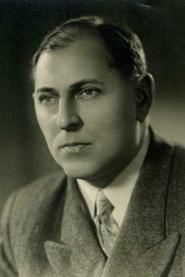
Leonid Amalrik
Director
Born: July 8, 1905 in Moscow, Russian Empire Died: October 24, 1969 Active: 1931-1969 Birth Name: Leonid Alekseyevich Amalrik
Films
4 films
About Leonid Amalrik
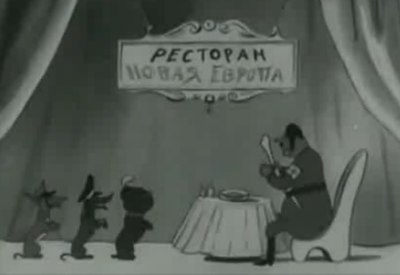
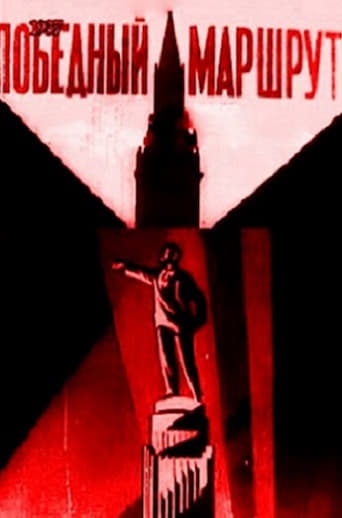
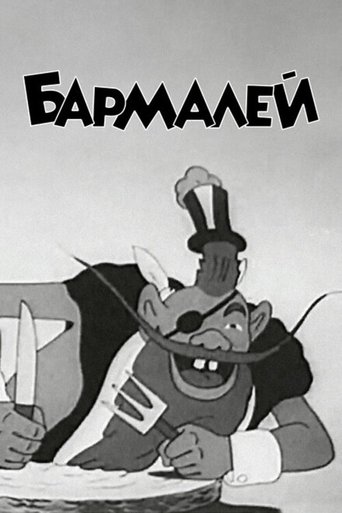
Leonid Alekseyevich Amalrik — Soviet animation director and artist who made significant contributions to the golden age of Soviet animation. Born in Moscow in 1905, he began his career in the 1920s as an artist and illustrator before transitioning to animation in the 1930s. Amalrik worked primarily at the Soyuzmultfilm studio, where he developed a distinctive style combining traditional Russian folk art with modern animation techniques. During World War II, he created patriotic and propaganda films that boosted morale on the home front. His most celebrated works include 'Barmaley' (1941), based on Chukovsky's beloved children's poem, and 'Cinema-Circus' (1942), which showcased his innovative approach to animated storytelling. Throughout the 1940s and 1950s, he continued to direct and animate numerous short films, often collaborating with his wife and fellow animator Tatyana Taranov. Amalrik's the formative decades of Soviet animation, and his work helped establish the visual language and artistic standards that would define the industry for generations.
The Craft
Behind the Camera
Amalrik's directing style was characterized by a unique blend of whimsical fantasy and social commentary, often incorporating elements of Russian folk art and fairy tale traditions. He had a distinctive approach to character design, creating memorable and expressive figures that resonated with Soviet audiences. His animation technique emphasized fluid movement and emotional expressiveness, while his storytelling often contained subtle political messages wrapped in entertainment. Amalrik was particularly skilled at adapting literary works for animation, maintaining the spirit of the original while creating visually compelling narratives.
Milestones
- Directed 'Barmaley' (1941),
- Created 'Cinema-Circus' (1942), an innovative animated satire
- Worked at Soyuzmultfilm during its golden age
- Collaborated extensively with wife Tatyana Taranov
- Pioneered techniques in Soviet character animation
- Directed 'The High Hill' (1951), a critically acclaimed animated feature
- Contributed to wartime propaganda animation efforts
Best Known For
Must-See Films
Accolades
Won
- Stalin Prize (Second Class) for 'Barmaley' (1942)
- Honored Artist of the RSFSR (1965)
- Order of the Badge of Honour
Nominated
- Multiple nominations for State Prize recognition
Special Recognition
- Honored Artist of the Russian Soviet Federative Socialist Republic
- Pioneer of Soviet Animation recognition
- Featured in Soviet animation retrospectives and exhibitions
Working Relationships
Worked Often With
Studios
Why They Matter
Impact on Culture
Leonid Amalrik played a crucial role in shaping Soviet animation during its formative decades, helping establish the artistic standards and visual language that would define the industry. His adaptation of literary classics and children's stories introduced generations of Soviet children to animated versions of beloved tales, making him a household name across the USSR. Amalrik's work during World War II contributed significantly to the cultural front, using animation as a tool for morale-boosting and patriotic messaging. His distinctive visual style, which incorporated elements of Russian folk art and avant-garde aesthetics, helped create a uniquely Soviet approach to animation that differed from Western styles. The films he directed continue to be celebrated as classics of Russian animation and are regularly featured in retrospectives and festivals celebrating the golden age of Soviet animation.
Lasting Legacy
Leonid Amalrik's legacy endures through his classic animated films that remain beloved in Russia and former Soviet republics, with 'Barmaley' particularly standing as a cultural touchstone for multiple generations. His technical innovations in character animation and his distinctive artistic approach influenced countless Soviet and Russian animators who followed. Amalrik's work represents a crucial bridge between the experimental early days of Soviet animation and the more polished productions of the later Soviet period. His films are studied in animation schools and continue to be shown on television and in theaters, introducing new audiences to the golden age of Soviet animation. The artistic standards and visual techniques he helped establish continue to influence Russian animation today, making him a foundational figure in the history of the medium.
Who They Inspired
Amalrik influenced generations of Soviet and Russian animators through his innovative character designs, storytelling techniques, and distinctive visual style that blended folk art with modern animation. His approach to adapting literary works for animation set a precedent for how classic Russian literature could be transformed into animated form while maintaining artistic integrity. The collaborative model he developed with his wife Tatyana Taranov became an inspiration for creative partnerships in animation. His wartime work demonstrated how animation could serve both artistic and patriotic purposes, influencing how the medium was used in subsequent Soviet productions. Contemporary Russian animators continue to cite Amalrik's work as an inspiration for maintaining cultural identity in animation while embracing technical innovation.
Off Screen
Leonid Amalrik married fellow animator Tatyana Taranov, who became his most frequent collaborator both professionally and personally. The couple worked together on numerous animated projects throughout their careers, creating a creative partnership that defined much of Soviet animation's golden age. Amalrik was known among his colleagues as a dedicated artist who maintained high artistic standards even during the challenging wartime period. He continued working actively in animation until his death in 1969, leaving behind a legacy of influential animated works.
Education
Graduated from Vkhutemas (Higher Art and Technical Studios) in Moscow, studied under prominent Russian avant-garde artists of the 1920s
Family
- Tatyana Taranov (married 1930s-1969)
Did You Know?
- Amalrik was one of the first directors to adapt Korney Chukovsky's works for animation
- His film 'Barmaley' was based on
- He worked at Soyuzmultfilm during the studio's most productive and artistically significant period
- Amalrik's animation style incorporated elements of Russian lubok (folk prints)
- He continued directing films well into the 1960s, maintaining relevance across different eras of Soviet animation
- His wartime animations were created under difficult conditions with limited resources
- Amalrik and his wife Taranov were one of animation's most successful creative partnerships
- His films often contained subtle social commentary beneath their entertainment value
- Amalrik was part of the first generation of Soviet animation directors who established the industry
- His work is regularly featured in retrospectives of classic Soviet animation at international festivals
In Their Own Words
Animation is not just moving pictures, it's bringing dreams to life on screen
Every character must have a soul, even if they're drawn with just a few lines
In Soviet animation, we must educate while we entertain
The best stories are those that speak to both children and adults
Folk art is the foundation of our national animation identity
Frequently Asked Questions
Who was Leonid Amalrik?
Soviet animation on YTB.my. He was best known for his work at Soyuzmultfilm studio and for creating beloved animated adaptations of Russian children's literature.
What films is Leonid Amalrik best known for?
Titles linked here include Barmaley (1941), Cinema-Circus (1942).
When was Leonid Amalrik born and when did he die?
Born July 8, 1905; died October 24, 1969.
What awards did Leonid Amalrik win?
Amalrik received the prestigious Stalin Prize (Second Class) for his work on 'Barmaley' in 1942, and was later named an Honored Artist of the RSFSR in 1965. He also received the Order of the Badge of Honour for his contributions to Soviet animation.
What was Leonid Amalrik's directing style?
Amalrik's directing style blended whimsical fantasy with social commentary, incorporating Russian folk art elements and fairy tale traditions. He was known for expressive character designs, fluid animation techniques, and the ability to adapt literary works while maintaining their artistic spirit.