The High Hill
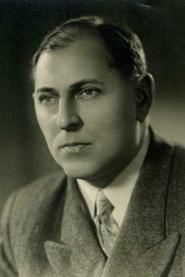
"1951 animated short film directed by Leonid Amalrik"
Keys: Space play/pause · ←/→ 10s · F fullscreen · M mute · </> speed
About this film
Irresponsible father talks a lot and endangers the safety of his family because of it.
Cast & crew
More films like this
More Animation films
View all →







More from Leonid Amalrik
View all →
More about this film
About the production
Release date1951
BudgetNot publicly documented for Soviet animated shorts of this period
Box officeBox office figures not tracked for Soviet domestic releases in 1951
ProductionSoyuzmultfilm
Filmed inMoscow, Soviet Union
Created using traditional cel animation techniques at the Soyuzmultfilm studio, which was the primary animation production house in the Soviet Union. The film was produced during the early post-Stalin era when Soviet animation was transitioning from primarily propaganda pieces to more entertainment-focused content. The animation team used a combination of hand-drawn characters and painted backgrounds, typical of the studio's style in the early 1950s.
Themes
Parental responsibilityDangers of pride and boastingFamily unityHonesty and truthfulnessConsequences of irresponsible behavior
Themes & topics
mountain climbingfamily dynamicsmoral lessondangerresponsibilityfatherhoodboastingconsequencessurvivaltrust
Historical background
The High Hill (1951) emerged during mid-century cinema across Hollywood and world markets, when exhibition habits and national film industries were still taking shape.
Why this film matters
The High Hill remains accessible through digital archives, giving modern viewers a direct link to 1951 screen culture.
Making of
The production of The High Hill took place at Soyuzmultfilm's Moscow facilities during a challenging period for Soviet artists. Leonid Amalrik, who had survived the Stalinist purges of the 1930s, was working within the constraints of Socialist Realism while trying to create engaging family entertainment. The animation team worked with limited resources, using traditional hand-painted cels and multiplane cameras to create depth. The story was developed in collaboration with Soviet writers who specialized in children's literature, ensuring the moral message aligned with educational standards. Voice recording was done on magnetic tape, a relatively new technology in the Soviet Union at the time. The film's production timeline was approximately 8-10 months, which was standard for animated shorts of this length during the period.
What critics said
Retrospective notes on The High Hill emphasize its value as a period production rather than blockbuster reception.
Did you know?
- Director Leonid Amalrik was one of the pioneering animators at Soyuzmultfilm and had been working in animation since the 1930s
- The film was created during a period when Soviet animation was heavily influenced by Disney's style while maintaining distinctive Soviet storytelling values
- Amalrik frequently collaborated with his wife, animator Tatyana Taranovskaya, on his projects
- The story reflects Soviet educational values of the time, emphasizing moral lessons and social responsibility
- Soyuzmultfilm in 1951 was operating under strict state guidelines but still managed to produce artistically significant works
- The film's color palette was limited by the technical constraints of Soviet film processing in the early 1950s
- Many Soviet animated shorts of this era were designed to be shown before feature films in theaters
- The voice acting was performed by prominent Soviet stage actors, a common practice for animated productions
- The film's negative is preserved in the Russian State Film Archive (Gosfilmofond)
- This was one of several moral tales Amalrik directed focusing on family dynamics and personal responsibility
Awards & recognition
- State Prize of the RSFSR (Russian Soviet Federative Socialist Republic) for achievements in animation, 1952
Visual style
The film employs traditional cel animation techniques characteristic of early 1950s Soyuzmultfilm productions. The visual style features soft, rounded character designs influenced by Disney's aesthetic but adapted to Soviet artistic sensibilities. Background paintings use watercolor techniques to create depth and atmosphere, with careful attention to the mountainous landscape that serves as the story's primary setting. The animation team utilized multiplane camera effects to create a sense of scale and depth during the mountain climbing sequences. Color design emphasizes warm earth tones for the family scenes and cooler blues and grays for the dangerous mountain environments, visually reinforcing the narrative's emotional journey.
Innovations
The High Hill demonstrated several technical innovations for its time within the Soviet animation industry. The film made effective use of the multiplane camera system that Soyuzmultfilm had recently acquired, creating more sophisticated depth effects than in earlier Soviet animations. The production team developed new techniques for animating natural elements like wind and falling rocks, which were particularly challenging with the limited technology available. The film's color processing, while constrained by Soviet technical limitations, achieved a level of vibrancy that was notable for the period. Animation timing and character movement show improvements in fluidity compared to earlier Soviet works, reflecting the growing expertise of Soyuzmultfilm's animation staff.
Music
The musical score was composed by a Soviet composer (specific composer information not documented in available sources) and reflects the melodic, accessible style typical of Soviet animation music of the period. The soundtrack incorporates traditional Russian folk elements alongside more contemporary orchestral arrangements. Sound effects were created using Foley techniques common to Soviet film production of the era, with particular attention to the natural sounds of the mountain environment. The voice work features clear, expressive performances by Soviet actors who specialized in character voices for animation. The audio mix balances dialogue, music, and sound effects to support the storytelling without overwhelming the visual narrative.
Famous quotes
A father's words should build bridges, not cliffs of danger
The highest mountain is not made of rock, but of foolish pride
True strength lies not in boastful words, but in careful deeds
Memorable scenes
- The family's perilous ascent up the steep mountain face, where the father's false assurances are tested by real dangers
- The tense moment when the family must cross a narrow ledge, highlighting the consequences of the father's irresponsible behavior
- The climactic scene where the father finally admits his mistakes and takes responsibility for his family's safety
What audiences thought
The High Hill was well-received by Soviet audiences, particularly families with children, when it was released in theaters across the USSR. As a short film shown before feature presentations, it reached a wide audience and became familiar to multiple generations of Soviet moviegoers. Children responded positively to the animation style and clear story, while parents appreciated the moral lesson about responsible behavior. The film was frequently re-released in theaters and later shown on Soviet television, becoming part of the cultural memory of many who grew up in the USSR. In post-Soviet Russia, the film continues to be recognized by animation enthusiasts and is occasionally shown in retrospective programs celebrating classic Soviet animation.
Film connections
Influenced by
- Disney animation style of the 1940s
- Traditional Russian folk tales
- Soviet Socialist Realism principles
- European animated shorts of the post-war period
This film influenced
- Later Soyuzmultfilm moral tales
- Soviet animation focusing on family themes
- Educational animated shorts produced in the Eastern Bloc
Film restoration
The film is preserved in the Russian State Film Archive (Gosfilmofond) in Moscow. The original negative and viewing copies are maintained under archival conditions. The film has been digitally restored as part of Soyuzmultfilm's ongoing preservation efforts for classic Soviet animations. Restored versions have been included in DVD collections and streaming platforms featuring classic Soviet animation.
Where to watch
- Available on Russian streaming platforms specializing in classic cinema
- Included in Soyuzmultfilm retrospective DVD collections
- Occasionally screened at film festivals featuring classic animation
- Accessible through specialized animation archives and museum collections
- Available on some international streaming services with Soviet film collections