

Bashu, the Little Stranger
"War orphan in the Iranian north"
Keys: Space play/pause · ←/→ 10s · F fullscreen · M mute · </> speed
About this film
War orphan Bashu flees southern Iran and is taken in by a farmer's wife in the north despite local prejudice. Bahram Beizai's 1989 humanist drama pairs a child with a grieving mother.
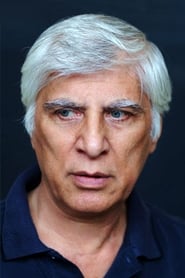
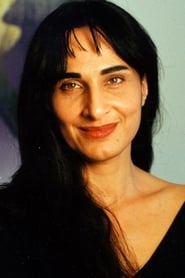
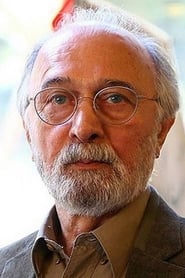
Cast & crew
More Drama films
View all →






More about this film
About the production
Release dateFebruary 1989 (Iran), September 1989 (Venice Film Festival)
Box officeLimited commercial release, primarily shown at international film festivals
ProductionFarabi Cinema Foundation
Filmed inGilan Province, Iran, Rasht, Iran, Various locations in Northern Iran
Filmed during the final years of the Iran-Iraq War, the production faced numerous challenges including security concerns, limited resources, and government censorship. Director Bahram Beyzai had to navigate strict cultural regulations while depicting the realities of war. The film was shot in black and white for artistic reasons and to emphasize the stark contrast between war and peace. Child actor Adnan Afravian was discovered in a refugee camp, bringing authentic experience to his role. The filming in Gilan province required special permissions due to the sensitive border regions.
Themes
War trauma and childhood innocenceCultural and linguistic barriersMaternal love and found familyDisplacement and refugee experienceRacism and regional prejudice within Iran
Themes & topics
Iran-Iraq WarRefugee childCultural assimilationSingle motherRural lifeTrauma recoveryCross-cultural adoptionLanguage barrierWar orphanNorthern IranHuman resiliencePost-war society
Historical background
Archival records place Bashu, the Little Stranger in 1989, a year when home video and festival culture shaped what theaters booked.
Why this film matters
Retrospectives include Bashu, the Little Stranger when mapping craft and subject matter from home video and festival culture.
Making of
The making of 'Bashu, the Little Stranger' was fraught with challenges typical of Iranian cinema in the post-revolution era. Director Bahram Beyzai fought for years to get approval for the project, as authorities were initially reluctant to approve a film depicting the harsh realities of war from a child's perspective. The casting process was particularly challenging - Beyzai searched for months to find the perfect child actor to play Bashu, eventually discovering Adnan Afravian in a refugee camp. The film was shot on location in Gilan province during actual wartime conditions, with the cast and crew often working under threat of air raids. Susan Taslimi's performance as Naii was particularly demanding, as she had to convey complex emotions while speaking in the Gilaki dialect, which was not her native language. The film's use of multiple languages created additional challenges during post-production, requiring careful subtitle work for international releases. Despite these obstacles, or perhaps because of them, the film achieved a remarkable authenticity that resonated with audiences worldwide.
What critics said
Critics revisiting Bashu, the Little Stranger emphasize performative and technical choices visible in surviving prints.
Did you know?
- This was the first Iranian film to be screened in Iran after the revolution that depicted the Iran-Iraq War from a civilian perspective
- Director Bahram Beyzai had to wait three years for government approval to make the film
- The film was banned in Iran for several years after its initial release due to its portrayal of war's impact on civilians
- Child actor Adnan Afravian was actually a refugee from Khuzestan, the region where Bashu's character originates
- The film features multiple languages: Persian, Gilaki dialect, Arabic, and Kurdish, reflecting Iran's linguistic diversity
- Susan Taslimi, who played Naii, was actually married to director Bahram Beyzai during the filming
- The black and white cinematography was a deliberate artistic choice, not due to budget constraints
- The film was selected as Iran's official submission for the Academy Awards but was ultimately not nominated
- Many of the war scenes were filmed using actual footage from the Iran-Iraq War, carefully integrated with the narrative
- The title character's name 'Bashu' means 'seeker' in Kurdish, symbolizing his search for safety and belonging
Awards & recognition
- Best Film, Fajr International Film Festival (Tehran, 1989)
- Best Director, Fajr International Film Festival (Bahram Beyzai, 1989)
- Best Actress, Fajr International Film Festival (Susan Taslimi, 1989)
- Best Screenplay, Fajr International Film Festival (Bahram Beyzai, 1989)
- Best Film, Locarno International Film Festival (Switzerland, 1990)
- Special Mention, Cannes Film Festival (Directors' Fortnight, 1990)
- Best Film, Nantes Three Continents Festival (France, 1990)
- UNESCO Award (for promoting cultural understanding, 1990)
Visual style
The film's black and white cinematography, executed by Mahmoud Kalari, is considered one of its most distinctive and powerful elements. Kalari's visual approach creates a stark contrast between the devastated, sun-scorched landscapes of southern Iran and the lush, misty environment of the northern Gilan region. The camera work employs long, contemplative takes that allow the natural performances to unfold organically, particularly in scenes between Bashu and Naii where visual communication replaces dialogue. Kalari uses natural lighting extensively, creating authentic textures that enhance the film's realism. The cinematography often employs low angles when filming Bashu, emphasizing his vulnerability and smallness in a world of chaos. Several scenes feature symbolic visual motifs - the recurring image of Bashu's small hands, the contrast between desert and forest, and the visual isolation of characters within the frame. The decision to shoot in black and white, while partly practical, creates a timeless quality that elevates the film beyond its specific historical context. Kalari's work on the release influenced a generation of Iranian cinematographers and helped establish a distinctive visual language for Iranian art cinema.
Innovations
While 'Bashu, the Little Stranger' may not showcase flashy technical innovations, it achieves remarkable technical excellence within its resource constraints. The film's sound design is particularly noteworthy for its handling of multiple languages and dialects, creating authentic audio environments for each region. The production team developed innovative techniques for integrating actual war footage seamlessly with newly shot material, maintaining visual consistency despite different source materials. The makeup and costume departments achieved impressive results in depicting the physical toll of war and displacement on Bashu's character, using subtle but effective techniques to show his journey from trauma to healing. The film's editing, by Shahram Assadi, employs a rhythmic pace that mirrors the emotional journey of the characters, with longer takes during moments of connection and quicker cuts during sequences of chaos and displacement. The production overcame significant technical challenges in filming during wartime conditions, including power outages, security concerns, and limited access to professional equipment. The team's ability to maintain high technical standards despite these obstacles demonstrates the resourcefulness and creativity that characterized the best of Iranian cinema during this period.
Music
The film's score, composed by Ahmad Pejman, masterfully blends traditional Iranian musical elements with contemporary classical influences. Pejman incorporates regional folk melodies from both southern and northern Iran, reflecting the cultural journey of the protagonist. The soundtrack features prominent use of the ney (Persian flute) and tar (stringed instrument), creating an emotional undercurrent that guides viewers through Bashu's psychological journey. Particularly effective is the use of silence during key moments, emphasizing the communication barriers between characters and allowing the visual storytelling to take precedence. The music swells during moments of emotional connection between Bashu and Naii, creating a sonic bridge where verbal communication fails. Pejman also incorporates subtle sound design elements, including the distant sounds of war that occasionally intrude upon the peaceful northern setting, reminding viewers of the ever-present trauma that haunts Bashu. The soundtrack was released as a standalone album and remains widely praised film scores in Iranian cinema history. Its ability to convey complex emotions without relying on dialogue has made it a study subject for film music students worldwide.
Famous quotes
Naii: 'Sometimes the heart understands what words cannot say.' (spoken while gesturing to Bashu)
Bashu: 'Home is where someone waits for you.' (in broken Persian, learned from Naii)
Naii: 'In this world, we are all strangers until someone makes us family.'
Village elder: 'The north may be green, but the south has the sun in its people's hearts.'
Naii: 'War takes everything, but it cannot take our ability to love.'
Bashu: 'I don't remember their faces anymore, only the sound of the bombs.' (describing his lost family)
Naii: 'A child's tears are the same color in every language.'
Memorable scenes
- The opening sequence showing the bombing of Bashu's village through a child's terrified perspective, using sound and fragmented visuals to convey chaos
- Bashu's arrival in the green northern landscape, his first experience of rain and trees, filmed with wide-angle lenses emphasizing his wonder and isolation
- The wordless communication scene where Naii teaches Bashu to milk a cow using only gestures, demonstrating their growing bond
- The nightmare sequence where Bashu relives the bombing, filmed in expressionistic style with rapid cuts and distorted sound
- The final scene where Bashu, now speaking fluent Gilaki dialect, helps Naii in the fields, showing his complete integration into the new family
- The scene where Naii defends Bashu against prejudiced villagers, delivering a powerful speech about universal humanity
- The moment when Bashu first calls Naii 'mother,' filmed in a tight close-up capturing both characters' emotional breakthrough
What audiences thought
Despite limited commercial release and initial censorship in Iran, 'Bashu, the Little Stranger' developed a devoted following among audiences who managed to see it through special screenings and film festivals. International audiences responded emotionally to the story, with many viewers reporting profound emotional impact during festival screenings. The film's word-of-mouth reputation grew steadily, particularly in Europe where it became a cult favorite among art house cinema enthusiasts. In Iran, though banned from general release for several years, copies circulated through underground networks, and the film eventually achieved lasting reputation among cinephiles. The character of Bashu became particularly beloved, with many Iranian viewers identifying with his experience of displacement and search for belonging. The film's emotional climax and resolution reportedly moved audiences to tears at screenings worldwide. Over the decades, the film has maintained its emotional power, with new generations discovering it through film studies courses and retrospective screenings. Modern audiences continue to praise its timeless message of human connection transcending cultural and linguistic barriers.
Film connections
Influenced by
- Italian Neorealism (particularly De Sica's 'Bicycle Thieves')
- Iranian New Wave cinema of the 1970s
- Soviet war films focusing on civilian experiences
- Classical Persian literature themes of exile and return
- World cinema traditions of child protagonists in war settings
This film influenced
- Children of Heaven (1997) - Majid Majidi
- Kandahar (2001) - Mohsen Makhmalbaf
- Turtles Can Fly (2004) - Bahman Ghobadi
- A Separation (2011) - Asghar Farhadi
- The Salesman (2016) - Asghar Farhadi
Film restoration
The film has been preserved by the Iranian National Film Archive and several international film institutions including the Cinémathèque Française and the British Film Institute. In 2015, the film underwent a complete digital restoration by The Criterion Collection in collaboration with the Farabi Cinema Foundation. The restoration process involved scanning the original 35mm negatives and conducting extensive color grading to preserve the intended black and white contrast. The restored version was screened at Cannes Classics in 2016 and has been released on Blu-ray with extensive bonus materials. The film is also preserved in the permanent collection of the Museum of Modern Art (MoMA) in New York and the Pacific Film Archive in Berkeley. Despite initial censorship in Iran, the film is now recognized as part of the nation's cultural heritage and is regularly screened in retrospectives and film studies programs.
Where to watch
- The Criterion Collection (Blu-ray/DVD with restored version and special features)
- Mubi (streaming service with curated international cinema)
- Kanopy (available through academic libraries)
- Film Movement (DVD distribution in North America)
- Iranian Film Archive (special screenings and academic access)
- Various film festival retrospectives and cinematheque screenings worldwide
- Educational distribution through university film departments