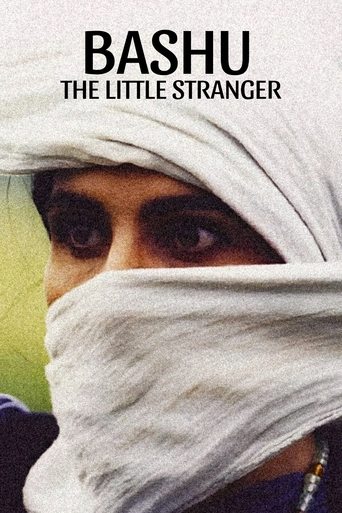
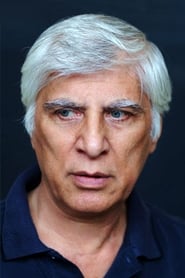
Films
1 film
About Bahram Beyzai
Bahram Beyzai is one of Iran's most filmmakers, playwrights, and cinema scholars, born in Tehran in 1938. He began his artistic career as a playwright in the 1960s, establishing himself as a major voice in Iranian theater before transitioning to cinema. His directorial debut came with 'Amir Arsalan-e Namdar' in 1985, but it was his 1989 masterpiece 'Bashu, the Little Stranger' that brought him international acclaim and is now considered one of the greatest films in Iranian cinema history. Beyzai's work is characterized by its deep engagement with Persian mythology, literature, and cultural identity, often exploring themes of displacement, cultural conflict, and social justice. Beyond filmmaking, he has made significant contributions to film theory and criticism, authoring numerous books on cinema aesthetics and Iranian theatrical traditions. Despite facing censorship and political challenges in post-revolutionary Iran, he has continued to create influential works that bridge traditional Persian art forms with contemporary cinematic techniques. His career spans over five decades, during which he has directed more than 20 films and written over 50 plays, establishing himself as a cultural icon and intellectual force in Iranian arts.
The Craft
Behind the Camera
Beyzai's directing style is characterized by its poetic visual language, deep engagement with Persian cultural heritage, and innovative blending of traditional theatrical forms with cinematic techniques. His films often feature long takes, carefully composed frames reminiscent of Persian miniature paintings, and a deliberate pace that allows for deep emotional and philosophical exploration. He frequently incorporates elements of Iranian mythology, classical literature, and ritual performance into contemporary narratives, creating a unique aesthetic that bridges past and present. His visual storytelling emphasizes symbolism and metaphor, using landscape and architecture as extensions of characters' psychological states. Beyzai's direction is known for its intellectual depth while maintaining accessibility through universal human themes of love, loss, and cultural identity.
Milestones
- Directed 'Bashu, the Little Stranger' (1989)
- Pioneered modern Iranian theater movement
- Authored influential books on cinema theory
- Directed 'The Journey' (1970)
- Created 'Death of Yazdgerd' (1981)
- Established new cinematic language combining Persian traditions with modern techniques
- Served as visiting professor at universities worldwide
- Received lifetime achievement awards from international film festivals
Best Known For
Must-See Films
Accolades
Won
- Best Director, Fajr Film Festival for 'Bashu, the Little Stranger' (1989)
- Best Film, Fajr Film Festival for 'Bashu, the Little Stranger' (1989)
- Best Screenplay, Fajr Film Festival for 'Bashu, the Little Stranger' (1989)
- Special Jury Prize, Locarno International Film Festival for 'The Journey' (1970)
- Golden Plaque, Chicago International Film Festival for 'Bashu, the Little Stranger' (1990)
- Best Director, Iranian Film Festival for 'The Crow' (1977)
- Lifetime Achievement Award, Fajr International Film Festival (2015)
- Career Achievement Award, San Francisco International Film Festival (2000)
Nominated
- Palme d'Or nomination, Cannes Film Festival for 'Bashu, the Little Stranger' (1990)
- Golden Lion nomination, Venice Film Festival for 'The Ballad of Tara' (1979)
- Best Film, Asia Pacific Screen Awards for 'When We Are All Asleep' (2009)
- Best Director, Asia Pacific Screen Awards for 'When We Are All Asleep' (2009)
Special Recognition
- Knight of the Order of Arts and Letters, French Government (2010)
- Lifetime Achievement Award, International Film Festival of Kerala (2012)
- Honorary Doctorate, University of Tehran (2014)
- Cultural Heritage Medal, Iranian Ministry of Culture (2018)
- Artist Award, Iranian Academy of Arts (2016)
Why They Matter
Impact on Culture
Bahram Beyzai has profoundly influenced Iranian cinema and theater by successfully bridging traditional Persian artistic forms with contemporary cinematic language. His work has helped establish Iranian cinema on the international stage, demonstrating how culturally specific stories can achieve universal resonance. Through films like 'Bashu, the Little Stranger,' he addressed sensitive social issues including racial prejudice, regional conflicts, and the plight of refugees, opening dialogue about topics previously taboo in Iranian media. His scholarly writings on cinema theory have educated generations of Iranian filmmakers, while his plays have revitalized interest in traditional Persian theater forms. Beyzai's ability to work within the constraints of post-revolutionary censorship while maintaining artistic integrity has inspired other Iranian artists to find creative ways to express themselves. His films have been instrumental in changing international perceptions of Iranian society, presenting complex, nuanced portrayals that challenge stereotypes and reveal the rich cultural diversity of the nation.
Lasting Legacy
Bahram Beyzai's legacy encompasses his dual role as both a filmmaker and a vital cultural preservationist who has ensured the survival and evolution of Persian artistic traditions. His masterpiece 'Bashu, the Little Stranger' remains. Beyond his cinematic output, Beyzai's theoretical writings have established him as one of Iran's most important film scholars, with his books on cinema aesthetics and Persian theater becoming essential texts in Iranian film education. His influence extends to the next generation of Iranian filmmakers who have adopted his approach of combining social commentary with artistic innovation. As a mentor and teacher, both formally and through his work, he has shaped the aesthetic and intellectual foundation of contemporary Iranian cinema. Beyzai's career demonstrates how artists can maintain cultural authenticity while engaging with global cinematic trends, creating a model for filmmakers in other non-Western countries seeking to preserve their cultural heritage while participating in international cinema.
Who They Inspired
Beyzai's influence on Iranian and world cinema is profound, particularly in his innovative approach to adapting traditional Persian narrative structures and visual aesthetics to contemporary filmmaking. His method of incorporating elements from Persian miniature painting, traditional theater, and classical poetry into cinematic language has been widely adopted by other Iranian directors seeking to create a distinctly national cinema. The success of 'Bashu, the Little Stranger' proved that films addressing regional and ethnic diversity within Iran could achieve both critical acclaim and popular success, encouraging other filmmakers to explore similar themes. His theoretical writings have influenced film education not just in Iran but in international film studies programs where Persian cinema is taught. Directors like Abbas Kiarostami and Mohsen Makhmalbaf have acknowledged Beyzai's influence on their work, particularly in his ability to blend poetry with social realism. His approach to working within censorship constraints while maintaining artistic integrity has provided a model for filmmakers operating under restrictive political systems worldwide.
Off Screen
Bahram Beyzai comes from a cultured family in Tehran, with his father being a publisher and intellectual. He married actress and filmmaker Mozhdeh Shamsai in 1992, who has frequently collaborated with him and starred in several of his films. The couple has one daughter, Niloofar Beyzai, who has also pursued a career in the arts. Beyzai is known for his private nature and rarely discusses his personal life in public, preferring to let his work speak for itself. Despite his international acclaim, he has maintained strong ties to Iran and continues to live primarily in Tehran, where he actively writes and creates despite the challenging political climate for artists.
Education
Bachelor's degree in Literature from University of Tehran (1962)
Family
- Mozhdeh Shamsai (1992-present)
Did You Know?
- 'Bashu, the Little Stranger' was voted the best Iranian film of all time by critics in 1999
- Beyzai wrote his first play at age 16
- He has directed over 50 plays in addition to his films
- His films are banned in Iran for periods due to their political content
- He is fluent in Persian, English, and French
- Beyzai has taught at universities including Harvard and Columbia
- His film 'The Journey' was Iran's first entry to compete at Cannes
- He is an accomplished calligrapher and incorporates this art into his films
- Beyzai's archive of writings and scripts is housed at Stanford University
- He refused to leave Iran after the 1979 revolution despite many colleagues emigrating
- His wife Mozhdeh Shamsai won best actress at the Fajr Festival for her role in his film 'Killing Mad Dogs'
- Beyzai is also a renowned theater director and has staged productions in Europe and Asia
In Their Own Words
Cinema is not just entertainment; it is the poetry of our time, capable of revealing the deepest truths of human experience through light and shadow.
To make Iranian cinema is to carry the weight of thousands of years of culture while walking into the future.
Art must be the conscience of society, even when society tries to silence it.
Every frame of film should be like a Persian miniature – complete in itself yet part of a larger story.
The greatest challenge is not making films under censorship, but maintaining your artistic integrity while doing so.
We must look to our past to understand our present, but we must use the language of today to tell our stories.
Cinema is the only art form that can truly capture the complexity of human consciousness in motion.
When I make a film, I am not just telling a story; I am preserving a piece of our cultural soul for future generations.
Frequently Asked Questions
Who was Bahram Beyzai?
Bahram Beyzai is a renowned Iranian filmmaker, playwright, and cinema scholar born in 1938, considered. He is best known internationally for his film 'Bashu, the Little Stranger' (1989) and for his innovative approach to blending traditional Persian artistic forms with modern cinematic techniques.
What films is Bahram Beyzai best known for?
Titles linked here include Bashu, the Little Stranger (1989), The Journey (1970).
When was Bahram Beyzai born and when did he die?
Born December 26, 1938; died death date not listed.
What awards did Bahram Beyzai win?
Beyzai has received numerous awards including Best Director and Best Film at the Fajr Film Festival for 'Bashu, the Little Stranger,' Special Jury Prize at Locarno for 'The Journey,' and lifetime achievement awards from multiple international film festivals. He has also been honored with the French Order of Arts and Letters and received honorary doctorates for his contributions to cinema and theater.
What was Bahram Beyzai's directing style?
Beyzai's directing style combines poetic visual language with deep engagement in Persian cultural traditions, featuring carefully composed frames reminiscent of Persian miniature paintings and a blend of theatrical and cinematic techniques. His work emphasizes symbolism, metaphor, and universal human themes while drawing from Iranian mythology, literature, and ritual performance forms.
How has Bahram Beyzai influenced Iranian cinema?
Beyzai has profoundly influenced Iranian cinema by establishing a uniquely Iranian cinematic language that bridges traditional art forms with contemporary filmmaking. His success internationally helped put Iranian cinema on the global map, while his theoretical writings have educated generations of filmmakers. He has inspired other directors to address social issues within cultural constraints and to explore Iran's diverse regional cultures and ethnicities.
What controversies has Bahram Beyzai faced?
Beyzai has faced significant censorship and controversy in Iran for films addressing social and political issues. 'Bashu, the Little Stranger' was banned for years due to its themes of racial prejudice, and other films like 'Killing Mad Dogs' faced similar restrictions. Despite pressure to compromise his vision or leave Iran, Beyzai has remained committed to creating meaningful cinema while working within the system's constraints.