
Beauty and the Beast
"Roses stolen — daughter given"
Keys: Space play/pause · ←/→ 10s · F fullscreen · M mute · </> speed
About this film
Merchant picks roses in beast's garden; daughter Beauty agrees to marry monster to save father. 1908 silent fairy-tale adaptation stages La Belle et la Bête in tableaux.
Cast & crew
More Romance films
View all →



More from Albert Capellani
View all →
More about this film
About the production
Release date1908
Box officeUnknown
ProductionPathé Frères
Filmed inParis, France
This film was produced during the early years of cinema when special effects were primitive but innovative. The scene where the Beast emerges from the ground in flames would have been created using early pyrotechnics and stop-motion techniques. As a Pathé production, it would have been filmed on their studio sets in Paris with painted backdrops representing the enchanted forest and garden. The film utilized the Méliès-style of theatrical magic and spectacle that was popular in early French cinema.
Themes
Sacrifice and redemptionThe transformative power of loveAppearances versus realityFather-daughter relationshipsThe supernatural and the natural world
Themes & topics
fairy talemagictransformationsacrificelovebeastmerchantforestenchanted gardensupernaturalfamilybargainfatecourage
Historical background
1908 Beauty and the Beast belongs to early European fairy-tale films before Disney animation.
Why this film matters
Silent fairy tales trained audiences in fantasy moral bargains on screen.
Making of
The production of this 1908 adaptation took place during a transformative period in cinema when filmmakers were moving away from simple actualities toward narrative storytelling. Director Albert Capellani, working for the powerful Pathé studio, would have had access to the company's extensive resources and technical facilities. The film's sets were likely constructed on Pathé's studio grounds in Paris or Montreuil, with the enchanted garden scene featuring painted backdrops and real props. The dramatic emergence of the Beast from flames would have required careful coordination with the studio's special effects team, possibly using techniques pioneered by Georges Méliès. Julienne Mathieu, already an established star, would have worn elaborate costumes and makeup to transform into the various characters. The film was shot quickly, as was typical for productions of this era, with most scenes requiring only one or two takes due to the expensive film stock. The production team would have worked under gas or early electric lighting, creating dramatic shadows to enhance the supernatural elements of the story.
What critics said
Exhibitors paired with magic films; archivists compare multiple early Beast versions.
Did you know?
- This is believed to be one of the first film adaptations of the Beauty and the Beast fairy tale, predating the more famous Jean Cocteau version by nearly 40 years.
- The film was produced by Pathé Frères, among the pivotal early film companies that dominated the global market in the 1900s.
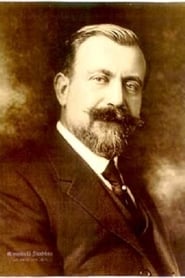
- Albert Capellani was a pioneering director who helped establish narrative cinema and was known for his literary adaptations.
- Julienne Mathieu, who played Beauty, was especially popular actresses of early French cinema and frequently worked with director Georges Méliès.
- The film would have been hand-colored in some versions, a common practice for Pathé productions to add visual appeal.
- Like many films of this era, it was likely distributed internationally and shown with live musical accompaniment.
- The special effects, including the Beast's emergence from flames, would have been considered state-of-the-art for 1908.
- the production represents an early example of the fantasy genre in cinema, helping establish conventions that would continue for decades.
- Pathé films of this period were often remade or adapted for different markets, so multiple versions may have existed.
- The film would have been shot on 35mm film and projected at the standard silent film speed of approximately 16 frames per second.
Visual style
The cinematography of this 1908 film would have been characteristic of early French cinema, utilizing static camera positions typical of the period. The camera would have been placed at a fixed distance from the action, capturing the entire scene in a wide shot similar to theatrical staging. Lighting would have been provided by studio lamps creating dramatic shadows to enhance the supernatural atmosphere of the Beast's domain. The film was shot in black and white, though some prints may have been hand-colored using Pathé's stencil coloring process, particularly for the magical elements like the flames. The cinematographer would have used the available technology to create visual interest through composition and the arrangement of actors and props within the frame. The garden scenes would have been carefully staged with painted backdrops and real props to create the illusion of an enchanted space. The emergence of the Beast would have been filmed using multiple exposures or in-camera tricks to create the supernatural effect.
Innovations
the production demonstrated several technical innovations for its time, particularly in the realm of special effects. The dramatic emergence of the Beast from flames would have been accomplished using pyrotechnics combined with in-camera editing tricks, possibly including multiple exposures or substitution splices. The film utilized the sophisticated studio facilities of Pathé, which were among the most advanced in the world at the time. The production likely employed the Pathécolor stencil coloring process for certain scenes, allowing for selective colorization of key elements like the magical flames. The sets and props would have been designed with mechanical elements to create the illusion of the Beast's supernatural appearance. The film represents an early example of narrative continuity editing, helping to establish techniques that would become fundamental to cinema. The use of painted backdrops combined with three-dimensional props showed an early understanding of cinematic space and depth.
Music
As a silent film, this 1908 production would have been accompanied by live music during theatrical screenings. The musical accompaniment would typically have been provided by a pianist, organist, or small ensemble depending on the venue's resources. The music would have been improvised or drawn from classical pieces that matched the mood of each scene - romantic music for Beauty's scenes, dramatic and dissonant music for the Beast's appearance, and tense music during the merchant's ordeal. Pathé often provided suggested musical cues with their film releases to guide accompanists. Some larger theaters might have used specially composed scores or arrangements of popular melodies of the era. The musical accompaniment played a crucial role in conveying emotion and atmosphere, particularly during the supernatural elements of the story. The lack of synchronized dialogue meant that intertitles would have been used to convey important plot points and dialogue.
Famous quotes
You shall die for your theft, unless one of your daughters agrees to marry me!" - The Beast
I will sacrifice myself to save my father's life." - Beauty
Memorable scenes
- The dramatic emergence of the Beast from the ground in a burst of flames, showcasing early special effects wizardry; The merchant's wonder and subsequent terror in the enchanted garden; Beauty's emotional decision to sacrifice herself for her father; The final confrontation between Beauty and the Beast
What audiences thought
Audiences in 1908 would have been captivated by the film's magical elements and dramatic special effects, which represented the cutting edge of cinematic technology at the time. The appearance of the Beast emerging from flames would have been a spectacular sight for early cinema-goers who were still experiencing the wonder of moving pictures. The familiar fairy tale story would have made the narrative accessible to international audiences, contributing to the film's likely success in Pathé's global distribution network. Contemporary audience reactions would have been expressed through applause and verbal responses during screenings, as was common in early cinema venues. The emotional story of sacrifice and love would have resonated with audiences of the era, who were beginning to recognize cinema as a medium for compelling storytelling. Modern audiences viewing the film today often express fascination with its historical significance and the ingenuity of its early special effects.
Film connections
Influenced by
- Jeanne-Marie Leprince de Beaumont's original fairy tale (1756)
- Georges Méliès' magical films
- Stage adaptations of Beauty and the Beast
- Literary tradition of fairy tale adaptations
- French theatrical traditions
This film influenced
- Jean Cocteau's Beauty and the Beast (1946)
- Disney's Beauty and the Beast (1991)
- Subsequent fairy tale adaptations in cinema
- Fantasy genre development in film
Film restoration
This 1908 film is considered partially lost or extremely rare. Like many films from this early period, complete copies may not survive in archives. Some fragments or scenes might exist in film archives such as the Cinémathèque Française, the Library of Congress, or other preservation institutions. The film's survival is uncertain due to the fragile nature of early nitrate film stock and the fact that many early films were deliberately destroyed after their commercial run ended. Any existing prints would require extensive restoration due to deterioration over more than a century.
Where to watch
- Due to its age and rarity, the title is not commercially available. It may occasionally be screened at special film archive events or silent film festivals. Some archives might have viewing copies available for scholarly research. Fragments or scenes might appear in documentaries about early cinema or fairy tale films. The best chance to view the title would be through specialized film archives or museum collections that preserve early cinema.