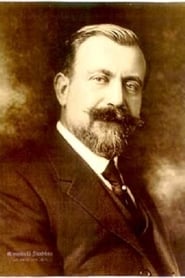
Albert Capellani
Director
Born: August 23, 1874 in Paris, France Died: September 26, 1931 Active: 1905-1923
Films
19 films
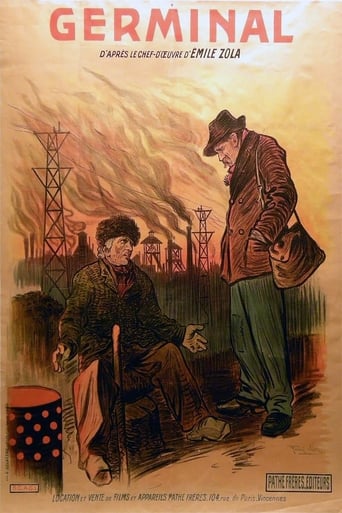
Germinal
1913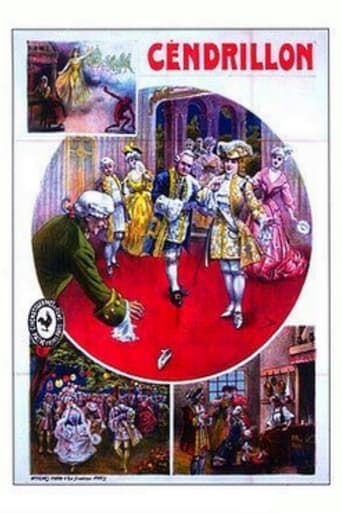
Cinderella
1907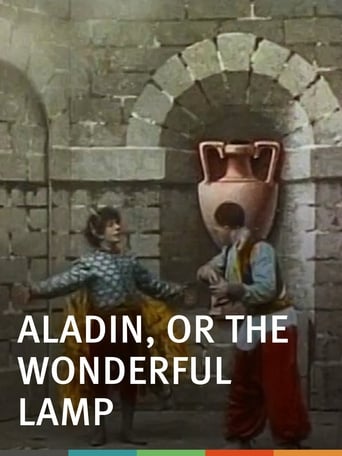
Aladdin and His Wonder Lamp
1906
The Red Lantern
1919
Beauty and the Beast
1908
The Hunchback of Notre Dame
1911
The Schemer
1911
L'Assommoir
1909
The Girl from Arles
1908
The Age of the Heart
1906
The Wrestler's Wife
1906
The Law of Forgiveness
1906
Le Chemineau
1906No Poster
Deadly Idyll
1906
The Talisman
1907
Bread for the Birds
1911
The Man with White Gloves
1908
A Slave's Love
1907About Albert Capellani
French film director who in establishing the language of cinema during the silent era. Beginning his career at Pathé in 1905, he quickly rose to prominence as one of the studio's most important directors, known for his ambitious literary adaptations including 'Les Misérables' (1913) and 'Germinal' (1913). Capellani was instrumental in developing the feature-length film format, moving away from the one-reel shorts that dominated early cinema. His meticulous attention to detail, elaborate sets, and sophisticated storytelling techniques set new standards for cinematic artistry. In 1915, he moved to the United States where he continued directing for various studios including Metro Pictures and Fox, though his American career never quite matched his French success. Capellani's career effectively ended with the transition to sound, and he returned to France where he lived in relative obscurity until his death. Despite his modern obscurity, film historians recognize him as a crucial figure in the development of narrative cinema and the art of film adaptation.
The Craft
Behind the Camera
Albert Capellani was known for his meticulous, literary approach to filmmaking, treating cinema as a serious art form comparable to theater or literature. He employed elaborate set designs, careful attention to period detail, and sophisticated narrative structures that were revolutionary for their time. Capellani favored long takes and deep staging, allowing actors to move naturally through complex environments rather than relying on the static tableaux common in early cinema. His direction emphasized psychological depth and character development, particularly in his literary adaptations, where he sought to capture the essence of the original works while utilizing cinema's unique visual capabilities.
Milestones
- Directed the first feature-length adaptation of 'Les Misérables' (1913)
- Pioneered the feature-length film format in France
- Created elaborate productions for Pathé including 'Germinal' (1913)
- Moved to Hollywood in 1915 during World War I
- Directed over 100 films during his career
Best Known For
Must-See Films
Accolades
Special Recognition
- Recognized by film historians as a pioneer of narrative cinema
- His films preserved by cinematheques and film archives worldwide
Working Relationships
Worked Often With
Studios
Why They Matter
Impact on Culture
Albert Capellani was instrumental in establishing cinema as a legitimate art form capable of serious literary adaptation. His feature-length productions, particularly 'Les Misérables' and 'Germinal,' demonstrated that cinema could handle complex narratives and social commentary with the same depth as literature. Capellani's work helped bridge the gap between the theatrical traditions of the 19th century and the emerging cinematic language of the 20th century. His elaborate productions set new standards for production values in European cinema and influenced how literary works would be adapted for the screen for decades to come.
Lasting Legacy
Though largely forgotten by popular audiences, Albert Capellani is recognized by film scholars as. His contributions to the development of narrative cinema, the feature film format, and literary adaptation were groundbreaking. Many of his films have been preserved and restored by film archives, allowing modern audiences to appreciate his sophisticated visual storytelling. Capellani's work represents a crucial transitional period in cinema history, when filmmakers were first discovering the unique artistic possibilities of the medium.
Who They Inspired
Capellani's approach to literary adaptation influenced generations of filmmakers, particularly French directors of the 1920s and 1930s. His emphasis on production design and period detail set standards for historical films that would persist throughout cinema history. Directors such as Abel Gance, Carl Theodor Dreyer, and even later filmmakers like Marcel Carné and Jean Renoir drew inspiration from Capellani's ambitious approach to cinematic storytelling. His work demonstrated that cinema could tackle serious social themes and complex narratives, paving the way for the more sophisticated films of the late silent and early sound eras.
Off Screen
Albert Capellani came from a theatrical family and was the brother of actor Paul Capellani. He married actress Jeanne Delvair, who appeared in several of his films. After returning to France from the United States, he struggled with the transition to sound films and lived his final years in relative poverty. His brother Paul continued acting in films until his own death in 1939.
Education
Educated in Paris with a background in theater and literature, which influenced his approach to film adaptation
Family
- Jeanne Delvair (1905-1931)
Did You Know?
- His brother Paul Capellani — prominent actor who appeared in many of his films
- His 1913 adaptation of 'Les Misérables' was nearly four hours long and released in four parts
- He was one of the first directors to use location shooting for historical authenticity
- Capellani's move to America in 1915 was part of a larger exodus of French filmmakers during WWI
- His films were among the first to use sophisticated editing techniques for narrative purposes
- He worked with some of the biggest stars of early French cinema including Gabrielle Réjane
- His version of 'Cinderella' (1907) was one of the earliest feature-length fairy tale adaptations
- Capellani was instrumental in developing Pathé's prestige production line
- His American films were often adaptations of French literary works
- He struggled to adapt to sound technology, which contributed to his career decline
In Their Own Words
Cinema must not merely entertain, but elevate and educate the human spirit.
The camera is a pen with which we can write poetry in light and shadow.
To adapt literature to film is not to betray it, but to give it new life through the universal language of images.
Frequently Asked Questions
Who was Albert Capellani?
French on YTB.my. He worked primarily for Pathé in France before moving to Hollywood during World War I, where he continued directing until his career declined with the advent of sound.
What films is Albert Capellani best known for?
Titles linked here include Les Misérables (1913), Germinal (1913).
When was Albert Capellani born and when did he die?
Born August 23, 1874; died September 26, 1931.
What awards did Albert Capellani win?
Albert Capellani worked during the early silent era before most major film awards were established. While he didn't receive formal awards during his lifetime, he is now recognized by film historians and preservationists as a figure in cinema history, with his films preserved in archives worldwide.
What was Albert Capellani's directing style?
Capellani's directing style was characterized by meticulous attention to detail, elaborate production design, and a literary approach to storytelling. He favored long takes, deep staging, and psychological depth in his adaptations, treating cinema as a serious art form capable of handling complex narratives and social themes.
Why did Albert Capellani move to America?
Capellani moved to America in 1915 during World War I, part of a broader migration of European filmmakers to Hollywood. He continued directing for American studios like Metro Pictures and Fox, though his American career never achieved the same level of success as his French period.
How did Albert Capellani influence cinema?
Capellani was instrumental in developing the feature-length film format and establishing cinema as a medium for serious literary adaptation. His sophisticated approach to production design, narrative structure, and visual storytelling influenced subsequent generations of filmmakers and helped elevate cinema from simple entertainment to legitimate artistic expression.