
Cinderella
"This is a compact telling of the Cinderella fairy tale"
Keys: Space play/pause · ←/→ 10s · F fullscreen · M mute · </> speed
About this film
This is a compact telling of the Cinderella fairy tale and the picture is elaborately staged.
Cast & crew
More films like this
More Drama films
View all →







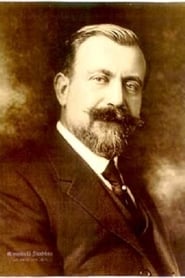
More from Albert Capellani
View all →
More about this film
About the production
Release date1907
ProductionPathé Frères
Filmed inParis, France
The short was produced during the golden age of Pathé Frères, when the company dominated global film production. Albert Capellani was one of Pathé's most prestigious directors, known for his elaborate productions and attention to detail. The picture featured sophisticated sets and costumes for its time, including detailed ballroom scenes and magical transformation sequences that were considered technically advanced for 1907.
Themes
TransformationSocial mobilityGood versus evilThe power of dreamsJustice and redemption
Themes & topics
fairy talemagictransformationroyal ballglass slipperstepfamilyfairy godmotherprincepumpkin carriagemidnightrags to riches
Historical background
Cinderella (1907) reached audiences through Pathé Frères in France, when exhibitors still built programs from varied shorts and features rather than single-block bookings.
Why this film matters
Programmers and historians revisit Cinderella (1907) because its story—this is a compact telling of the cinderella fairy tale and the picture is elaborately staged—illustrates popular narrative habits and production norms of the period.
Making of
The production of this 1907 Cinderella took place during a period of rapid innovation in French cinema. Albert Capellani, working for Pathé Frères, was known for his meticulous approach to filmmaking, often spending considerable time on set design and costume preparation. The transformation scenes would have required careful planning and execution using primitive special effects techniques. the picture was likely shot on Pathé's studio sets in Paris, where the company had constructed elaborate indoor stages. Child actress Louise Lagrange would have worked under the challenging conditions of early filmmaking, requiring long takes and multiple takes for complex scenes. The production team used hand-tinting processes to add color to key sequences, with artists carefully painting each frame by hand. The ballroom scene required coordination of numerous performers in period costumes, demonstrating Capellani's ability to manage complex crowd scenes.
What critics said
English-language trade reviews of Cinderella are limited for 1907. Where notices survive, they stress pacing and photographic clarity; later criticism values the title as archival evidence of studio style.
Did you know?
- This was one of the earliest film adaptations of the Cinderella story, predating the more famous 1914 Mary Pickford version by seven years.
- Director Albert Capellani was a pioneer of narrative cinema who helped establish many storytelling techniques that would become standard in film.
- Louise Lagrange, who played Cinderella, was only about 9 years old when was made, and she would go on to have a long career in French cinema.
- Pathé Frères was the world's largest film production company in 1907, producing hundreds of films annually for global distribution.
- the picture utilized hand-tinting techniques to add color to certain scenes, a common practice in early cinema before color film was invented.
- The elaborate ballroom sequence required extensive set construction and featured numerous extras in period costumes.
- This version of Cinderella was distributed internationally, helping establish the fairy tale as a popular subject for early cinema.
- The magical transformation scenes were created using in-camera effects and multiple exposures, representing cutting-edge techniques for 1907.
- Albert Capellani would later move to the United States in the 1910s and direct films for major American studios.
- the picture was part of Pathé's strategy to produce literary and fairy tale adaptations to appeal to middle-class audiences.
Visual style
The cinematography for this 1907 production utilized the techniques common to Pathé Frères productions of the era. the picture was shot in black and white with selective hand-tinting to add color to important scenes, particularly the magical elements. The camera work was static, as was typical of the period, with the camera positioned to capture the full scope of the elaborate sets. The cinematographer made use of multiple exposure techniques to create the magical transformation effects, a sophisticated approach for 1907. Lighting was carefully controlled to create dramatic effects, especially in the ballroom sequences where the cinematography aimed to create a sense of grandeur and romance.
Innovations
demonstrated several technical innovations for its time, including sophisticated use of multiple exposure effects for the magical transformation scenes. The production employed hand-tinting techniques to add color to specific elements of the picture, creating visual emphasis for magical elements. The elaborate set construction and costume design represented significant technical and artistic achievements for 1907. the picture's special effects, while primitive by modern standards, were cutting-edge for early cinema and required careful planning and execution. The production also demonstrated advanced techniques in crowd management and scene choreography, particularly in the ballroom sequences.
Music
As a silent film, this Cinderella would have been accompanied by live musical performance during theatrical exhibitions. The typical accompaniment would have included piano or organ music, with selections chosen to match the mood of each scene. For the ballroom sequences, popular waltzes and classical pieces of the period would have been appropriate. The magical transformation scenes might have been accompanied by more dramatic or mysterious musical selections. Pathé often provided suggested musical cue sheets with their films to guide theater musicians, though specific information about 's original musical accompaniment is not documented.
Famous quotes
No dialogue exists for this silent film
Memorable scenes
- The magical transformation sequence where Cinderella's rags become a beautiful gown and the pumpkin transforms into a carriage, created using early special effects techniques
- The grand ballroom scene where Cinderella dances with the prince, featuring elaborate sets and numerous extras in period costumes
- The midnight escape where Cinderella flees the palace, losing her glass slipper on the stairs
- The final scene where the glass slipper fits Cinderella's foot, revealing her identity
What audiences thought
the picture was well-received by audiences of its time, who were fascinated by the magical transformation sequences and elaborate costumes. As part of Pathé's extensive distribution network, the picture reached audiences across Europe and North America, where it was particularly popular with family audiences. The familiar story of Cinderella, combined with the novelty of seeing it brought to life on screen, made the picture a commercial success for Pathé. Contemporary audience reports suggest that viewers were especially impressed by the ballroom scene and the fairy godmother's magical interventions, which represented some of the most sophisticated visual effects available in 1907.
Film connections
Influenced by
- Charles Perrault's 'Cendrillon' (1697)
- Brothers Grimm's 'Aschenputtel'
- Stage adaptations of Cinderella popular in the 19th century
- Earlier French trick films by Georges Méliès
This film influenced
- Cinderella (1914) starring Mary Pickford
- Cinderella (1922) animated version
- Later fairy tale adaptations by Pathé and other studios
- Disney's Cinderella (1950)
Film restoration
This 1907 version of Cinderella is believed to be partially preserved, with some fragments or possibly a complete copy existing in film archives. However, like many films from this era, its preservation status is uncertain, and it may exist only in incomplete form. the picture is held in various film archives, including the Cinémathèque Française, though access may be limited. Some sources suggest that only fragments of the picture survive, while others indicate a more complete version may exist in European archives.
Where to watch
- Available through specialized film archives and cinematheques
- May be included in collections of early cinema from distributors like Flicker Alley
- Accessible through academic film libraries and cinema history programs
- Occasionally screened at film festivals specializing in silent and classic cinema
- Possible availability through museum film programs focusing on early cinema