

Films
5 films
About Louise Lagrange
French actress who emerged during the days of cinema, working primarily in the silent film era from 1907 to 1912. She was part of the first generation of film performers who helped establish narrative cinema as an art form, working with early French production companies that were at the forefront of cinematic innovation. Lagrange appeared in multiple productions during this crucial transitional period when cinema evolved from simple actualities to complex narrative storytelling. Her work included adaptations of classic literature and fairy tales, which were popular subjects for early filmmakers due to their familiarity with audiences. Though her career was brief, spanning only five years, it coincided with significant developments in film technique, storytelling, and industry organization. Lagrange's performances contributed to the establishment of acting conventions specific to the silent medium, where exaggerated gestures and facial expressions were essential for conveying emotion without dialogue. Her filmography, while limited, represents an important window into the early French film industry and the types of productions that captivated audiences before World War I.
The Craft
On Screen
As a silent era performer, Lagrange would have employed the exaggerated physical acting style typical of early cinema, using broad gestures and expressive facial features to convey emotions and narrative points to audiences without the benefit of synchronized dialogue. Her performances would have been influenced by theatrical traditions while adapting to the new medium's unique requirements.
Milestones
- Appeared in early French silent films
- Worked during the era of cinema
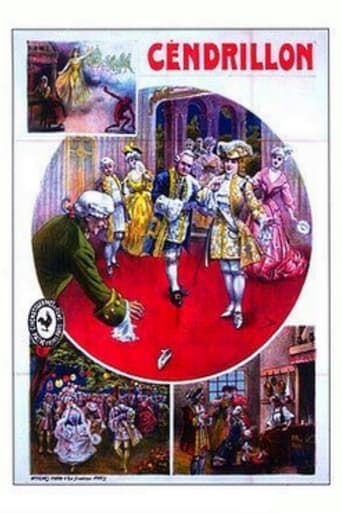
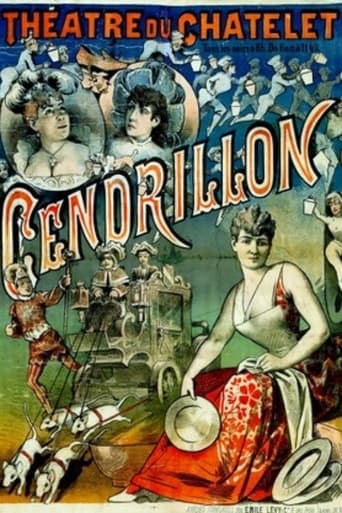
- Participated in multiple Cinderella adaptations
- Contributed to early narrative film development
Best Known For
Iconic Roles
Must-See Films
Working Relationships
Worked Often With
Studios
Why They Matter
Impact on Culture
Louise Lagrange represents the early generation of film actors who helped establish the foundation of cinematic performance. Her work in the late 1900s and early 1910s contributed to the development of film acting as a distinct art form separate from theatrical performance. The multiple Cinderella adaptations she appeared in demonstrate how early filmmakers used familiar stories to help audiences understand and accept the new medium of cinema. Her career, though brief, spans a crucial period in film history when the industry was transitioning from short novelty films to longer narrative features.
Lasting Legacy
While Louise Lagrange is not widely remembered today, her work is historically significant as part of the foundation of French cinema. The films she appeared in serve as important artifacts documenting the early development of narrative cinema and acting techniques specific to the silent medium. Her contributions, like those of many early film actors, helped pave the way for the sophisticated film performances that would follow in later decades.
Who They Inspired
As an early film performer, Lagrange's influence would have been primarily in helping establish acting conventions for the silent medium. Her work in fairy tale adaptations contributed to the popularization of genre films in early cinema, demonstrating how familiar narratives could be effectively translated to the screen.
Off Screen
Very little personal information about Louise Lagrange survives in historical records, which is typical for many early film actors whose personal lives were not documented as thoroughly as later cinema stars. Like many performers of her era, she likely came from a theatrical or performance background before transitioning to the new medium of film.
Did You Know?
- Appeared in two different versions of Cinderella five years apart
- Worked during the period when films were transitioning from short novelty pieces to longer narratives
- Her career ended before World War I, which dramatically changed the European film industry
- Early French actors like Lagrange worked without screen credit in most productions
- The preservation status of her films is unknown, as many early films have been lost
- Silent era actors often had to perform in multiple roles due to small cast sizes
- Early French cinema was considered the world leader before World War I
- Actors in this period often had backgrounds in theater or music hall performance
Frequently Asked Questions
Who was Louise Lagrange?
French silent film actress who worked during the early days of cinema from 1907 to 1912. She appeared in several French films, including multiple adaptations of Cinderella, during a crucial period when film was developing from a novelty into a narrative art form.
What films is Louise Lagrange best known for?
Titles linked here include Cinderella (1907), The Roman Orgy (1911).
When was Louise Lagrange active in films?
Louise Lagrange had a brief but significant career spanning from 1907 to 1912, covering five years of early cinema development. This period represents a crucial transition in film history when the medium was establishing its artistic and commercial potential.
What was the significance of Louise Lagrange's work?
Her work is historically significant as part of the foundation of French cinema and the development of film acting techniques. The fairy tale adaptations she appeared in demonstrate how early filmmakers used familiar stories to help audiences accept cinema as a storytelling medium.
Why is there limited information about Louise Lagrange?
Limited documentation is common for early film actors, as the film industry had not yet developed the systematic record-keeping and publicity systems that later became standard. Many early performers worked anonymously and their personal details were not preserved in historical records.