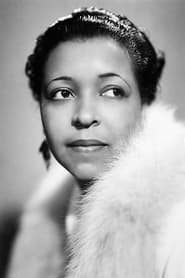

Bubbling Over
"Lunch wakes the lazy"
Keys: Space play/pause · ←/→ 10s · F fullscreen · M mute · </> speed
About this film
All-black 1934 musical short has lazy husband and relatives stirred awake only by lunch announcement. In this all-black short musical comedy, a woman has a husband so lazy she can stick a pin in him without him waking up. But announcing lunch gets him up pretty fast. She's also saddled with a bevy of his lazy relatives.
Cast & crew
More Comedy films
View all →






More about this film
About the production
Release dateMarch 24, 1934
Box officeUnknown
ProductionVitaphone, Warner Bros.
Filmed inWarner Bros. Studios, Burbank, California
This was one of the early Vitaphone shorts featuring all-black casts, produced during a time when Hollywood was beginning to explore films with African American performers in non-stereotypical roles. The film was shot in the early sound era, using the Vitaphone sound-on-disc system. The production was part of Warner Bros.' series of short subjects that often showcased musical and comedy talent.
Themes
Domestic comedyFamily dynamicsLaziness vs. hard workMusical performanceAfrican American family life
Themes & topics
short filmmusical comedyall-black castlazy husbandfamilyquartetdomestic lifevaudevillesound filmVitaphone
Historical background
1934 placed Bubbling Over within United States cinema as Vitaphone navigated wartime markets, immigration audiences, and the shift from intertitles to sound.
Why this film matters
Archivists revisit Bubbling Over (1934) for Leigh Jason style, genre norms at Vitaphone, and the exhibition context of 20 minutes programming.
Making of
The production of 'Bubbling Over' took place during a transitional period in Hollywood when sound technology was still evolving. The Vitaphone system used for this film recorded sound on separate discs that had to be synchronized with the film projection, which often created technical challenges. Ethel Waters, already an established recording artist, brought her musical expertise to the set, likely contributing to the musical arrangements. The film was shot on a limited budget typical of short subjects, with minimal sets designed to look like a modest family home. The cast, drawn from vaudeville and musical theater backgrounds, would have been accustomed to performing live, which helped them adapt to the new demands of sound filming. The quick pace of production meant that most scenes were completed in one or two takes, relying on the performers' professional experience.
What critics said
Retrospective writing on Bubbling Over stresses craft by Leigh Jason, print survival, and repertory value rather than opening-week gross alone.
Did you know?
- This film was released during the height of the Great Depression, when short subjects were a popular form of entertainment in theaters.
- Ethel Waters was already a renowned jazz and blues singer before transitioning to film, having recorded hits like 'Stormy Weather' and 'Am I Blue?'
- The film was part of Warner Bros.' Vitaphone series, which produced hundreds of short subjects between 1926 and 1946.
- Hamtree Harrington was a popular vaudeville comedian who brought his stage persona to this film.
- The quartet featured in the film was likely The Four Tones or a similar vocal group popular during this period.
- This short was one of the relatively rare films of the era that featured an all-black cast without being explicitly about racial issues.
- The film's title 'Bubbling Over' refers both to the boiling pot in the kitchen and the wife's bubbling frustration with her lazy family.
- Vitaphone shorts like this one were often shown as the second feature on double bills or as part of longer theater programs.
- The film was shot in just a few days, as was typical for short subjects of this period.
- Director Leigh Jason went on to direct feature films, primarily in the comedy and mystery genres.
Visual style
The film was shot in black and white using standard 35mm film, typical of studio productions of the era. The cinematography was straightforward and functional, focusing on capturing the performances clearly. Camera work was relatively static, as was common in early sound films when microphones were cumbersome and limited movement. The lighting was designed to highlight the musical performances and facial expressions of the actors. The limited sets meant that shots were composed to maximize the use of space, with medium shots predominating to capture both the performers and their actions.
Innovations
As a Vitaphone production, the film utilized the sound-on-disc technology that Warner Bros. had pioneered. While this system was gradually being replaced by sound-on-film, it still offered superior audio quality for musical performances. The film demonstrated the successful synchronization of musical numbers with visual performance in a short format. The production also showed the growing sophistication of studio sound recording techniques, allowing for clearer capture of dialogue and singing. The relatively quick production timeline demonstrated the efficiency of studio short-subject units in creating polished entertainment on tight schedules.
Music
The film featured several musical numbers showcasing the talents of its cast. Ethel Waters likely performed at least one solo number, drawing from her extensive repertoire of blues and jazz standards. The quartet performed as a vocal group, typical of the close harmony styles popular in the 1930s. The musical direction would have been handled by Warner Bros.' music department, with arrangements tailored to the short format. The sound was recorded using the Vitaphone system, which provided relatively high-quality audio for the period. The soundtrack would have included both diegetic music (performed by the characters) and background music to enhance the comedic moments.
Famous quotes
Wake up! It's time for lunch! - Ethel Waters' character (this line instantly gets her lazy husband moving)
If you're traveling men, then keep on traveling! - The wife's decisive line as she kicks out the relatives
Memorable scenes
- The opening scene where the wife tries to wake her lazy husband with a pin, only to have him instantly respond to the mention of lunch
- The musical performance by the quartet of lazy relatives, showcasing their vocal talents despite their character flaws
- The climactic scene where the wife finally puts her foot down and physically removes the freeloading relatives from her home
What audiences thought
Audiences in 1934 would have viewed 'Bubbling Over' as part of a larger theater program, likely appreciating its musical numbers and comedy as light entertainment. The film's relatable domestic themes would have resonated with audiences struggling through the Depression, regardless of race. African American audiences particularly would have valued seeing black performers in leading roles on screen. Modern audiences viewing the film today often approach it as a historical document, appreciating both its entertainment value and its significance in film history.
Film connections
Influenced by
- Vaudeville comedy traditions
- African American musical theater
- Domestic sitcom formula
- Jazz and blues performance styles
This film influenced
- Later African American domestic comedies
- Television sitcoms featuring black families
- Musical short subjects
Film restoration
The film is preserved in the Warner Bros. archive and has been made available through various film restoration and preservation efforts. As a Vitaphone production, both the film elements and sound discs have been maintained. The film has been included in collections of early African American cinema and is occasionally screened at film festivals and special events. Digital copies exist in some archives and educational institutions.
Where to watch
- The film is available in some educational film archives
- It may be found in collections of early African American cinema
- Some film preservation organizations hold copies for research purposes
- Occasionally screened at classic film festivals specializing in early cinema or African American films