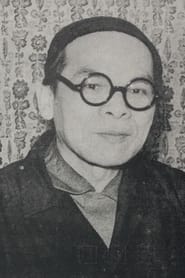

Burglars of "Baghdad" Castle
"Return Baghdad invaded must."
Keys: Space play/pause · ←/→ 10s · F fullscreen · M mute · </> speed
About this film
In order to win the hand of a princess, a man must defeat an evil dragon and claim its treasured magic stone. Upon his return, Baghdad has been invaded and he must use the stone to defeat his new enemy.
Cast & crew
More films like this
More Fantasy films
View all →




More from Noburô Ôfuji
View all →
More about this film
About the production
Release date1926
ProductionStudio Ôfuji
Filmed inTokyo, Japan
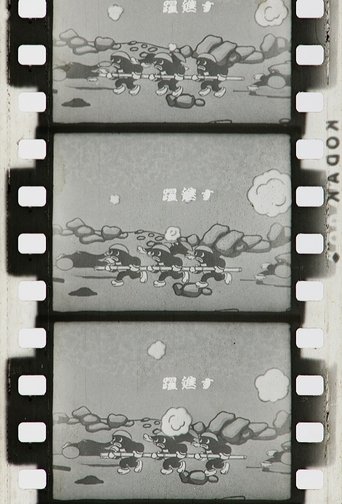
Created using cutout animation techniques on paper, a signature style of Ôfuji's early work. The film was produced during the silent era of Japanese cinema and would have been accompanied by live musical narration and sound effects during theatrical screenings. Like many early Japanese animated works, it was influenced by both traditional Japanese art forms and Western animation techniques.
Themes
Hero's journeyGood versus evilLove and romanceMagic and supernatural powersCourage and bravery
Themes & topics
Historical background
Production circa 1926 placed Burglars of "Baghdad" Castle within the technical habits of its era—intertitles, studio sets, and regional distribution networks.
Why this film matters
For historians, Burglars of "Baghdad" Castle documents what typical program fare looked like in 1926, not only marquee blockbusters.
Making of
Noburô Ôfuji created this film using his distinctive cutout animation method, which involved meticulously cutting paper figures and moving them frame by frame. This technique was more economical than cel animation and allowed Ôfuji to work independently. The production would have been extremely labor-intensive, requiring thousands of individual paper movements to create smooth motion. During the silent era, these films were typically screened with a benshi (live narrator) who would provide voices, sound effects, and musical accompaniment, making each screening a unique performance. Ôfuji was known for his attention to detail and would often spend months perfecting the fluidity of motion in his paper characters.
What critics said
Press files from 1926 rarely give Burglars of "Baghdad" Castle extended review space; mentions appear in roundup columns.
Did you know?
- This is one of the earliest surviving examples of Japanese anime from the 1920s, a decade when most films were lost due to natural disasters and war.
- Director Noburô Ôfuji would later become one of Japan's most celebrated animators, winning honors at international film festivals.
- The film's title includes quotation marks around 'Baghdad' which was a stylistic choice common in early Japanese promotional materials.
- The dragon character design incorporates elements from both Japanese mythology and Western fantasy traditions.
- Like most Japanese films of this era, the original nitrate prints were extremely flammable and dangerous to store.
- The magic stone in the plot reflects traditional Japanese beliefs in magical objects (tama) that possess supernatural powers.
- This film was created during the Taishō period, a time of increasing Western cultural influence in Japan.
- The animation was likely created using the chiyogami technique, involving colored paper cutouts.
- Only a handful of Ôfuji's works from the 1920s are known to survive today.
- The film's fantasy setting in Baghdad reflects the exotic settings popular in both Japanese and Western cinema of the 1920s.
Visual style
The film employs cutout animation techniques using paper figures, creating a distinctive visual style that combines two-dimensional art with cinematic movement. The animation, while primitive by modern standards, demonstrates sophisticated understanding of motion and timing for its era. The visual design incorporates elements of traditional Japanese illustration with Western animation influences. The camera work is static, as was typical for early animation, with all movement created through the manipulation of the paper elements. The color scheme, if any existed in the original, would have been hand-tinted frame by frame, a laborious process that was sometimes used for special prints in the 1920s. The visual storytelling relies heavily on exaggerated gestures and clear silhouettes to ensure the narrative remains understandable without dialogue.
Innovations
The film represents an important technical achievement in early Japanese animation through its use of paper cutout techniques. Ôfuji's method involved creating articulated paper figures that could be moved incrementally between exposures, allowing for smoother motion than earlier stop-motion techniques. The animation demonstrates sophisticated understanding of timing and spacing principles that were still being developed globally in the 1920s. The survival of the film itself is technically remarkable, given the fragility of early nitrate film stock and the historical events that destroyed many contemporary works. The production techniques used by Ôfuji would influence subsequent generations of Japanese animators, particularly those working in limited animation styles. The film's existence provides crucial documentation of animation technology and workflows from the earliest days of the Japanese animation industry.
Music
As a silent film, the original soundtrack would have consisted of live musical accompaniment performed in the theater. Typical screenings would have featured a pianist or small ensemble providing background music synchronized with the on-screen action. The benshi (live narrator) would have provided voices for characters, sound effects, and explanatory narration, essentially creating a unique audio performance for each showing. The music likely drew from both traditional Japanese melodies and Western classical pieces popular in cinema of the 1920s. No original score or recording exists, as was the case with virtually all silent films. Modern screenings of restored versions typically feature newly composed scores or period-appropriate music to recreate the intended viewing experience.
Memorable scenes
- The hero's dramatic confrontation with the dragon, showcasing early animation techniques for creating a sense of scale and danger
- The magical transformation sequence when the hero first uses the dragon's stone
- The emotional reunion between the hero and princess after his victorious return
- The climactic battle scene where the magic stone's powers are revealed to save Baghdad
What audiences thought
During its original 1926 release, the film would have been shown as part of a mixed program of short films, typical for cinema programming of the era. Japanese audiences of the 1920s were enthusiastic about animation, which was still a novel and magical medium for most viewers. The exotic setting of Baghdad and the fantasy elements would have appealed to contemporary tastes for adventure and romance. Like most animated shorts of the period, it was likely popular with both children and adults. The presence of a live benshi narrator during screenings would have enhanced the audience's experience, making each showing an interactive and engaging event. Modern audiences who have seen the film often express fascination with its historical value and the primitive charm of early paper-cut animation techniques.
Film connections
Influenced by
- Traditional Japanese folktales
- Arabian Nights stories
- Western silent animation
- Japanese ukiyo-e art
- Chinese shadow puppetry
This film influenced
- Later works by Noburô Ôfuji
- Early Japanese fantasy anime
- Paper-cut animation traditions in Japan
Film restoration
The film is partially preserved with some segments missing or damaged. Like many Japanese films from the 1920s, it survived through sheer luck and the efforts of early film preservationists. The existing prints are held in Japanese film archives and have been digitally restored where possible. The preservation status represents a significant achievement given that over 90% of Japanese films from this era are believed to be completely lost. The surviving elements provide invaluable insight into early Japanese animation techniques and storytelling approaches.
Where to watch
- Film archives in Japan
- Specialized animation festivals featuring historical works
- Academic institutions with film studies programs
- Museum screenings of classic animation
- Online film archives specializing in early cinema (availability varies)