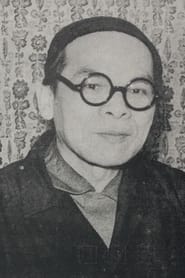
Noburô Ôfuji
Director
Born: August 31, 1900 in Tokyo, Japan Died: July 28, 1961 Active: 1924-1961
Films
7 films

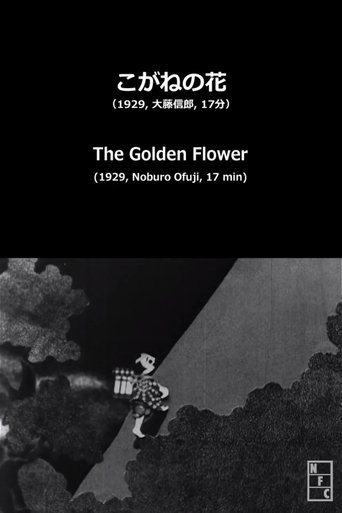
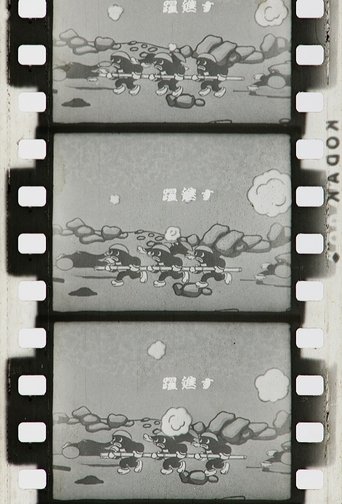
About Noburô Ôfuji
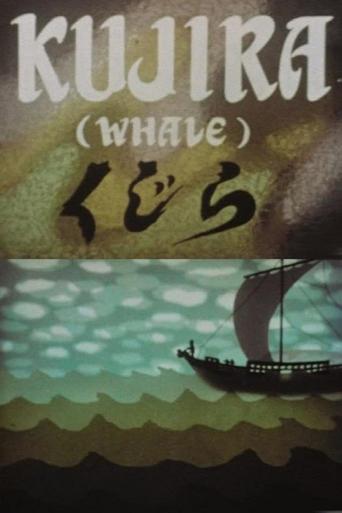
Japanese animation director and artist who revolutionized early Japanese cinema through his innovative use of cut-out animation and silhouette techniques. Beginning his career in the 1920s during Japan's silent film era, Ôfuji developed a distinctive style using colored paper cut-outs and shadow puppets, creating visually striking narratives that drew from Japanese folklore and Western influences. His most acclaimed work, 'The Whale' (Kujira, 1952), earned international recognition and became the first Japanese animated film to win an award at a major international film festival. Throughout his nearly three-decade career, Ôfuji directed over 40 films, experimenting with various animation techniques including cel animation and early color processes. He was instrumental in establishing animation as a serious art form in Japan, bridging traditional Japanese artistic traditions with modern cinematic techniques. Despite facing numerous challenges during World War II and the post-war period, Ôfuji continued to create films that celebrated Japanese culture while embracing global artistic movements. His dedication to animation as both entertainment and art form laid crucial groundwork for the future of Japanese animation industry.
The Craft
Behind the Camera
Noburô Ôfuji's directing style was characterized by innovative use of cut-out animation and silhouette techniques, often employing colored paper and shadow puppetry to create dreamlike, ethereal visuals. His films frequently drew inspiration from Japanese folklore, fairy tales, and traditional art forms, blending them with contemporary themes and Western narrative structures. Ôfuji demonstrated remarkable versatility, transitioning from silent black-and-white films to early color animation while maintaining his distinctive artistic vision. His pacing was often deliberate and poetic, emphasizing visual storytelling over dialogue, which made his work accessible to international audiences despite cultural differences.
Milestones
- Directed 'The Whale' (1952), winner of the Cannes Film Festival award for Best Short Film
- Pioneered cut-out animation techniques using colored paper and shadow puppets
- Created over 40 animated films spanning silent era to early color animation
- First Japanese animator to receive major international recognition
- Developed unique animation style combining Japanese folk art with Western influences
Best Known For
Must-See Films
Accolades
Won
- Cannes Film Festival Award for Best Short Film - The Whale (1952)
- Mainichi Film Award - Special Award (1952)
- Blue Ribbon Awards - Special Award (1952)
Nominated
- Academy Award nomination for Best Animated Short Film - The Whale (1953)
Special Recognition
- Pioneer of Japanese Animation recognition by Japanese government
- Posthumous retrospective at Tokyo International Film Festival
- Inducted into Japan Animation Association Hall of Fame
Working Relationships
Worked Often With
Studios
Why They Matter
Impact on Culture
Noburô Ôfuji's impact on Japanese cinema and animation cannot be overstated, as he essentially established the foundation for Japan's animation industry during its formative years. His innovative use of traditional Japanese art forms in animation helped bridge the gap between classical Japanese aesthetics and modern cinematic techniques, creating a uniquely Japanese style of animation that would later evolve into anime. Ôfuji's international success with 'The Whale' in 1952 marked the first time Japanese animation received global recognition, paving the way for future Japanese animators to enter the international market. His work preserved and modernized traditional Japanese storytelling methods, ensuring their continuation in contemporary media. The techniques he developed in cut-out animation continue to influence contemporary animators and artists worldwide, demonstrating the enduring relevance of his artistic innovations.
Lasting Legacy
Noburô Ôfuji's legacy endures as that of a true pioneer who single-handedly elevated Japanese animation from novelty to art form. His films are studied in film schools worldwide as examples of early animation innovation and cross-cultural artistic synthesis. The annual Ôfuji Noburô Award, established in his honor by the Mainichi Film Awards, continues to recognize outstanding achievements in Japanese animation, ensuring his name remains prominent in the industry. His techniques and artistic vision influenced generations of animators, from early pioneers like Osamu Tezuka to contemporary Studio Ghibli directors. Ôfuji's work represents a crucial bridge between traditional Japanese art and modern animation, demonstrating how cultural heritage can be preserved through contemporary media. His international recognition helped establish Japan as a major force in global animation, a position the country maintains to this day.
Who They Inspired
Ôfuji's influence extends far beyond his own filmography, directly shaping the development of Japanese animation as an artistic medium. His innovative cut-out techniques inspired later animators to experiment with unconventional animation methods, leading to the diverse range of styles seen in modern anime. The way he incorporated Japanese folklore and traditional art into his films created a template for culturally-specific animation that would be emulated by countless Japanese animators. His success in international film festivals demonstrated that animation could transcend cultural and language barriers, encouraging Japanese animators to target global audiences. Contemporary animators continue to study his work for its unique combination of technical innovation and cultural authenticity, making him a perennial influence in the field of animation arts.
Off Screen
Noburô Ôfuji was born into a family of artists in Tokyo, where his early exposure to traditional Japanese art forms greatly influenced his later work. He married fellow artist and collaborator Masako Ôfuji, who often assisted him in the intricate process of creating cut-out animations. Despite the challenges of working during wartime Japan and the subsequent economic difficulties of the post-war period, Ôfuji remained dedicated to his artistic vision and continued to create films until his health declined in the late 1950s. He passed away in 1961 at the age of 60, leaving behind a legacy that would influence generations of Japanese animators.
Education
Self-taught animator, studied traditional Japanese arts and Western animation techniques independently
Family
- Masako Ôfuji (married 1925-1961)
Did You Know?
- Ôfuji created animations using colored paper cut-outs, a technique he developed due to limited resources in early 20th century Japan
- His film 'The Whale' was created using only 1,800 cut-out pieces, demonstrating his efficiency with limited materials
- During World War II, he was forced to create propaganda films but managed to maintain his artistic style within these constraints
- His wife Masako often hand-colored the paper cut-outs used in his films, making their collaboration truly a family affair
- Ôfuji's international success came relatively late in his career, with 'The Whale' premiering when he was 52 years old
- Many of his early silent films featured live musical accompaniment composed by Ôfuji himself
- He was one of the first Japanese animators to experiment with color, using hand-tinting techniques before color film became widely available
- His studio was destroyed during the bombing of Tokyo in WWII, forcing him to rebuild his career from scratch
- Ôfuji taught animation techniques to younger artists during the post-war period, helping rebuild Japan's animation industry
- Despite his international recognition, he remained relatively unknown in Japan during his lifetime, only gaining widespread appreciation posthumously
In Their Own Words
Animation is not merely drawing pictures that move; it is bringing dreams to life through the magic of motion.
Every piece of paper has a story to tell; my job is to help it dance across the screen.
In animation, as in life, the simplest movements often convey the deepest emotions.
Traditional art is not something to be preserved in museums; it must live and breathe in new forms.
Frequently Asked Questions
Who was Noburô Ôfuji?
Japanese animation on YTB.my. He was the first Japanese animator to achieve major international recognition, particularly for his 1952 film 'The Whale' which won at Cannes.
What films is Noburô Ôfuji best known for?
Titles linked here include The Whale (Kujira, 1952), The Story of the Monkey King (1926).
When was Noburô Ôfuji born and when did he die?
Born August 31, 1900; died July 28, 1961.
What awards did Noburô Ôfuji win?
His most significant award was the Cannes Film Festival Award for Best Short Film in 1952 for 'The Whale.' He also received the Mainichi Film Award Special Award and Blue Ribbon Awards Special Award in 1952, and was nominated for an Academy Award for Best Animated Short Film in 1953.
What was Noburô Ôfuji's directing style?
Ôfuji developed a unique directing style using cut-out animation with colored paper and shadow puppets, creating dreamlike visuals that blended Japanese folk art with Western narrative techniques. His films emphasized visual storytelling over dialogue, featured deliberate poetic pacing, and drew heavily from Japanese folklore and traditional aesthetics.
How did Noburô Ôfuji influence Japanese animation?
Ôfuji established the foundation for Japan's animation industry by creating a uniquely Japanese style that combined traditional art with modern techniques. His international success proved Japanese animation could compete globally, and his innovative cut-out methods continue to influence animators. The annual Ôfuji Noburô Award honors his lasting impact on the industry.