The Story of the Monkey King
"Blood on the novel"
Keys: Space play/pause · ←/→ 10s · F fullscreen · M mute · </> speed
About this film
A cut-out animation adaptation of the classic novel "Journey to the West.".
Cast & crew
More Adventure films
View all →

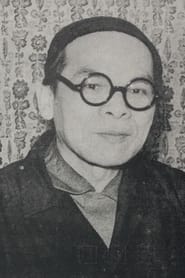
More from Noburô Ôfuji
View all →
More about this film
About the production
Release date1926
ProductionStudio Ôfuji
Filmed inTokyo, Japan
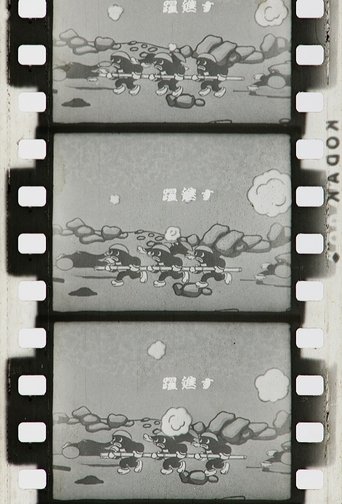
Noburô Ôfuji created using his signature cut-out animation technique, which involved cutting out paper figures and moving them frame by frame. The animation was created using chiyogami, traditional Japanese decorative paper, giving the film a distinct aesthetic quality. As a silent film, it would have been accompanied by live musical performance and a benshi (narrator) in Japanese theaters. The production was extremely labor-intensive, requiring thousands of individual paper cutouts and meticulous hand-positioning for each frame of animation.
Themes
Redemption and transformationThe journey toward enlightenmentThe power of friendship and loyaltyThe conflict between chaos and orderCultural adaptation and exchange
Themes & topics
Monkey KingJourney to the WestBuddhismMagicAdventureTransformationRedemptionChinese mythologyPaper animationSilent film
Historical background
Made in its country of production around 1926, The Story of the Monkey King belongs to the late silent period. Its story of a cut-out animation adaptation of the classic novel "journey to the west." spoke to audiences of the day through familiar genres and topical settings.
Why this film matters
Archivists and historians still cite The Story of the Monkey King when tracing how the late silent period filmmakers staged animation and adaptation on screen.
Making of
Noburô Ôfuji created during the early days of Japanese animation, working with limited resources but boundless creativity. The cut-out animation process was painstakingly manual - Ôfuji would cut each character and prop from paper, then photograph them frame by frame while making subtle adjustments to create the illusion of movement. The use of chiyogami paper was both practical and artistic, providing beautiful patterns that added visual richness to the simple animation style. As was common for silent films in Japan, theatrical screenings would feature a benshi (live narrator) who would provide voices, narration, and sound effects, dramatically enhancing the viewing experience. The film was produced during a period when Japanese animation was heavily influenced by Western techniques but was beginning to develop its own distinct aesthetic identity through the incorporation of traditional Japanese artistic elements.
What critics said
Reviews from 1926 weighed The Story of the Monkey King on pacing, performance, and novelty. Later criticism reads its emphasis on animation, adaptation, classic through modern standards of craft and representation.
Did you know?
- This is one of the earliest surviving examples of Japanese animation, making it historically significant in the development of anime
- Director Noburô Ôfuji was a pioneer of cut-out animation in Japan and developed many techniques that would influence later animators
- The film was created using chiyogami, traditional Japanese patterned paper, giving it a unique visual style that blended traditional Japanese art with modern animation
- Despite its Japanese origin, the film adapts a Chinese literary classic, showing early cultural exchange between the two countries through cinema
- The original Japanese title was 'Songoku' (孫悟空), the Japanese reading of Sun Wukong's name
- Only fragments of are believed to survive today, as many early Japanese films were lost due to natural disasters and wartime destruction
- Ôfuji's animation technique involved photographing paper cutouts against backgrounds, a method he would continue to perfect throughout his career
- The film was part of a wave of Japanese animation in the 1920s that drew inspiration from both Western animation techniques and traditional Japanese art forms
- As a silent film, it relied heavily on visual storytelling, making the expressive potential of the cut-out animation crucial to narrative comprehension
- The Monkey King character would become among the leading frequently adapted figures in Japanese animation history
Visual style
The cinematography of this cut-out animation film was characterized by its use of flat paper figures photographed against static or minimally animated backgrounds. Ôfuji employed a top-down camera setup, positioning his paper cutouts on a flat surface and photographing them from above to create the animation sequence. The use of chiyogami paper with its intricate patterns added visual texture and depth to the otherwise two-dimensional animation style. The camera work was necessarily static due to the technical limitations of the time, but Ôfuji compensated through creative use of paper layering and positioning to suggest movement and depth. The black and white photography emphasized the silhouettes and shapes of the cut-out figures, creating a distinctive visual style that was both simple and expressive. The animation technique required precise control of lighting to ensure the paper figures were clearly visible while maintaining the desired artistic effect.
Innovations
Noburô Ôfuji's work on represented significant technical innovation in early Japanese animation. His refinement of cut-out animation techniques, using chiyogami paper for both aesthetic and practical purposes, demonstrated how traditional Japanese art forms could be adapted to the new medium of animation. The film showcased sophisticated understanding of movement and timing despite the technical limitations of cut-out animation. Ôfuji's ability to convey complex action sequences and emotional expressions through the manipulation of simple paper figures was a remarkable achievement for the time. The film's survival, even in fragmentary form, testifies to the durability of the materials and techniques used. Ôfuji's work on helped establish cut-out animation as a viable and distinctive animation technique in Japan, separate from the cel animation methods being developed in the West. The film represents an early example of how Japanese animators would consistently find innovative solutions to technical and budgetary constraints.
Music
As a silent film, 'The Story of the Monkey King' would have featured live musical accompaniment during theatrical screenings. The specific musical scores used are not documented, but it's likely that theaters employed traditional Japanese instruments alongside Western ones to create an appropriate atmosphere for the fantastical story. The benshi (live narrator) would have provided not only narration but also vocal characterizations and sound effects, essentially serving as the film's audio component. The musical accompaniment would have been improvised or drawn from existing musical pieces, adapted to fit the on-screen action and emotional tone of each scene. The combination of live music and benshi performance was standard practice for Japanese cinema of this period and was crucial to the audience's understanding and enjoyment of the film. The lack of synchronized sound meant that visual storytelling had to be exceptionally clear and expressive.
Famous quotes
As a silent film, dialogue was conveyed through intertitles and the benshi's narration, making specific quotes difficult to document from surviving fragments
Memorable scenes
- The Monkey King's rebellion in heaven, where he battles celestial armies using his extendable staff, showcasing Ôfuji's creative animation of action sequences through paper cutouts
What audiences thought
As with many films from this era, detailed records of audience reception are scarce. However, the Monkey King story was already familiar to Japanese audiences through various adaptations in traditional theater and literature, which likely helped the film find an appreciative viewership. The novelty of animation itself would have been a significant draw for audiences in 1926, as animated films were still a rarity in Japanese cinemas. The combination of a beloved story with the new medium of animation probably made the film popular among both children and adults. The presence of a benshi (narrator) during screenings would have enhanced the experience for Japanese audiences, who were accustomed to this form of cinematic storytelling. The film's success likely encouraged Ôfuji and other animators to continue exploring the possibilities of animation in Japan.
Film connections
Influenced by
- Journey to the West (16th century Chinese novel by Wu Cheng'en)
- Traditional Japanese paper art (origami and chiyogami)
- Early Western animation techniques
- Japanese ukiyo-e woodblock prints
- Traditional Japanese theater (kabuki and noh)
This film influenced
- Princess Mononoke (1997) - in its blending of traditional Japanese aesthetics with animation
- Paprika (2006) - in its innovative animation techniques
- The Tale of the Princess Kaguya (2013) - in its use of traditional artistic styles in animation
Film restoration
The film is considered partially lost, with only fragments surviving today. This is unfortunately common for early Japanese films due to the 1923 Great Kantō earthquake, wartime destruction, and the fragile nature of early film stock. The surviving fragments are preserved in Japanese film archives and are occasionally shown in retrospectives of early animation. The incomplete nature of the surviving material makes it difficult to experience the film as originally intended, but the existing footage provides invaluable insight into early Japanese animation techniques and aesthetics.
Where to watch
- Due to its fragmentary preservation status and age, the film is not commercially available. Surviving fragments may occasionally be screened at film festivals specializing in classic or animation history, particularly at events like the Tokyo International Film Festival's classic film section or animation retrospectives at museums such as the Tokyo National Museum of Modern Art.