

Kujira
"Japanese short of a whale swallowing sailors."
Keys: Space play/pause · ←/→ 10s · F fullscreen · M mute · </> speed
About this film
A whale swallows women and men.
Cast & crew
More Animation films
View all →


More from Noburô Ôfuji
View all →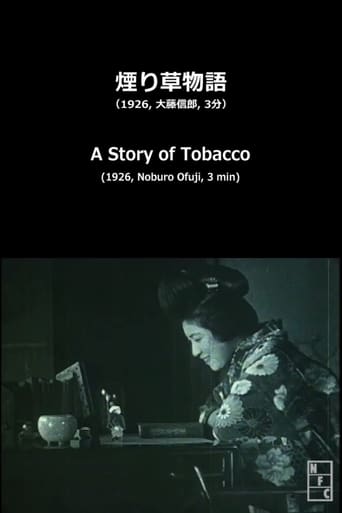

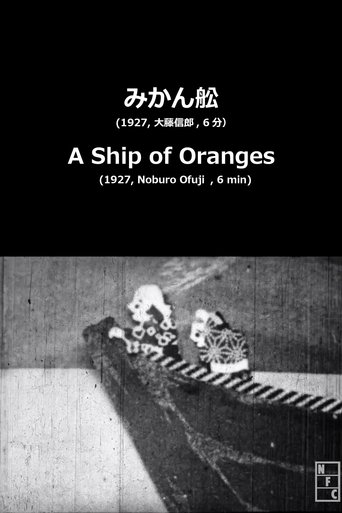
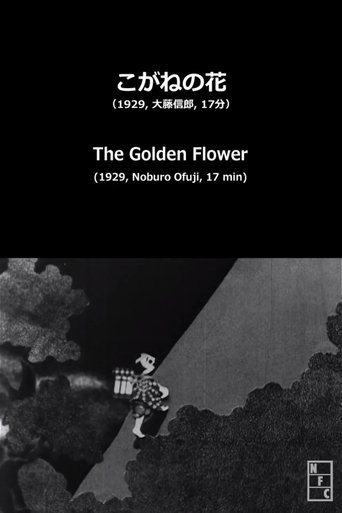
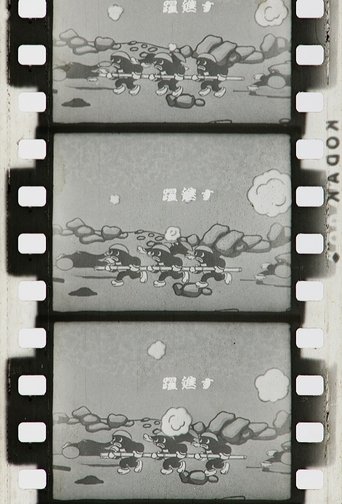
More about this film
About the production
Release date1955
ProductionOtogi Production
Filmed inJapan
Kujira was created using paper cut-out animation (kami-e) techniques, a signature style of director Noburô Ôfuji. The film was produced on a very limited budget, forcing Ôfuji to innovate with materials and techniques. The animation was created by cutting out paper figures and moving them frame by frame, with the whale character requiring particularly complex manipulation to achieve fluid movement. The production team used traditional Japanese art aesthetics and color palettes to give the film an authentic cultural feel.
Themes
Man versus NatureCourage and HeroismCommunity and SurvivalTransformation and AdaptationTraditional Folk Wisdom
Themes & topics
whaleswallowedrescue missionunderwater worldfolk talepaper animationJapanese mythologybraverycommunitytransformation
Historical background
Kujira (1955) reached screens through Otogi Production. Exhibitors of the time built studio-era schedules that mixed shorts, features, and live acts, so a clear premise helped Kujira travel between cities and exchange markets.
Why this film matters
Archivists and revival programmers still cite Kujira (1955) when tracing studio habits, casting pools, and the visual rhetoric audiences once took for granted. Even modest surviving prints help map how Kujira fit beside competing releases of its day.
Making of
Noburô Ôfuji created 'Kujira' using his distinctive paper cut-out animation technique, which involved cutting figures from paper and photographing them frame by frame. The production was extremely labor-intensive, with Ôfuji often working alone or with a very small team. The whale character was particularly challenging to animate, requiring multiple layers of paper to create the illusion of bulk and movement. Ôfuji experimented with different types of paper, including translucent varieties, to achieve the underwater lighting effects. The film's soundtrack was created using traditional Japanese instruments to enhance the cultural authenticity. Ôfuji, who came from a family of artists, drew inspiration from both classical Japanese art and contemporary animation techniques he observed from international films.
What critics said
Trade coverage around 1955 discussed Kujira for pacing, clarity, and program fit rather than blockbuster grosses. Later writers value it as evidence of period style and as a reference point beside other films from the same era.
Did you know?
- The title 'Kujira' means 'whale' in Japanese, directly referencing the film's central creature
- Director Noburô Ôfuji was a pioneer of Japanese animation and particularly known for his paper cut-out animation style
- The film is based on a traditional Japanese folk tale about a whale that swallows people
- Despite its short runtime of only 13 minutes, the film took several months to create due to the meticulous frame-by-frame animation process
- Ôfuji used translucent paper and layered techniques to create depth and shadow effects in the underwater scenes
- The film was created during a period when Japanese animation was still developing its unique identity separate from Western influences
- Kujira was one of the first Japanese animated films to gain recognition at international film festivals
- The whale character was designed to be both terrifying and majestic, reflecting the complex relationship between Japanese coastal communities and these marine giants
- The film's color scheme was influenced by traditional Japanese ukiyo-e woodblock prints
- Ôfuji reportedly studied actual whale anatomy and movement to make the animated creature more realistic
Awards & recognition
- Venice Film Festival - San Marco Silver Lion (1956)
- Mainichi Film Concours - Best Animation Film (1956)
Visual style
The film's visual style is characterized by its distinctive paper cut-out animation technique, creating a unique aesthetic that combines two-dimensional and three-dimensional qualities. Ôfuji used layered paper to create depth and shadow effects, particularly effective in the underwater scenes inside the whale. The color palette draws heavily from traditional Japanese art, featuring muted earth tones contrasted with vibrant blues for the ocean scenes. The camera work is relatively simple but effective, using slow pans and zooms to guide the viewer's attention through the narrative. The animation achieves remarkable fluidity considering the limitations of paper cut-outs, especially in the whale's movements and the underwater sequences.
Innovations
Kujira pioneered several technical innovations in paper cut-out animation, particularly in creating the illusion of underwater movement and depth. Ôfuji developed new techniques for layering translucent paper to achieve lighting effects that simulated sunlight filtering through ocean water. The film also demonstrated innovative methods for animating large creatures, with the whale's movements being particularly sophisticated for the time and medium. The production team created custom tools for manipulating the paper figures, allowing for more precise and fluid motion than was typical in paper cut-out animation. These technical achievements influenced subsequent generations of animators working with alternative animation techniques.
Music
The film's score features traditional Japanese instruments including the shakuhachi (bamboo flute), koto (string instrument), and taiko drums. The music was composed to enhance the emotional impact of key scenes while maintaining cultural authenticity. Sound effects were created using both traditional methods and innovative techniques to simulate underwater environments and the whale's movements. The soundtrack minimalistic approach allows the visual storytelling to take center stage while providing emotional support to the narrative. The music incorporates elements of gagaku (ancient Japanese court music) to give the film a timeless, mythic quality.
Famous quotes
Inside the belly of the beast, we found not death, but a new world of existence.
Courage is not the absence of fear, but the will to face it for those you love.
The whale, like the sea itself, gives life and takes it away – such is the balance of nature.
Memorable scenes
- The dramatic sequence where the whale first appears and swallows the fishermen, created with layered paper animation to achieve a sense of massive scale and power
- The protagonist's descent into the whale's mouth, using innovative camera angles and lighting effects to create a sense of entering another world
- The discovery of the underwater community inside the whale's stomach, featuring beautifully rendered paper cut-out figures adapting to their bizarre environment
- The climactic escape sequence, combining rapid animation with dynamic sound effects to create tension and excitement
What audiences thought
Initial Japanese audiences responded positively to Kujira, particularly appreciating its connection to familiar folk tales and traditional art styles. The film's short length made it popular as part of theater programs, often shown before feature films. International audiences at film festivals were fascinated by the unique animation style and cultural elements they hadn't seen before. Over the decades, the film has developed a cult following among animation enthusiasts and scholars of Japanese cinema. Modern audiences who discover the film often express surprise at how sophisticated and emotionally engaging a 13-minute animated short from 1955 can be.
Film connections
Influenced by
- Traditional Japanese folk tales
- Ukiyo-e woodblock prints
- Classical Japanese theater (Kabuki and Noh)
- Early Disney animation techniques
This film influenced
- Later works by Noburô Ôfuji
- Japanese animated folk tale adaptations
- Contemporary paper animation artists
Film restoration
Kujira has been preserved by the National Film Center of Japan and is considered an important part of Japanese cinematic heritage. The film has undergone digital restoration to ensure its survival for future generations. Original prints and negatives are maintained in climate-controlled archives. The film is occasionally screened at film festivals and museum retrospectives dedicated to animation history. Some restoration work was needed to repair damage to the original paper elements used in the animation, but the film remains largely intact.
Where to watch
- National Film Center of Japan (occasional screenings)
- Animation film festivals and retrospectives
- Academic film archives and university collections
- Specialized animation streaming platforms (occasionally)
- Museum of Modern Art film collection (New York)