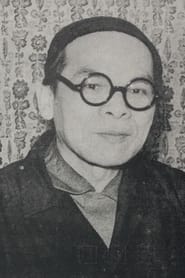

The Golden Flower
"A man has a strange adventure on a hill as he returns from the village festival."
Keys: Space play/pause · ←/→ 10s · F fullscreen · M mute · </> speed
About this film
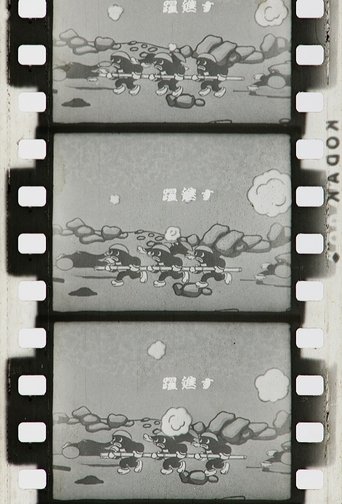
A man has a strange adventure on a hill as he returns from the village festival.
Cast & crew
More Animation films
View all →


More from Noburô Ôfuji
View all →

More about this film
About the production
Release date1959
BudgetNot publicly disclosed
Box officeNot publicly tracked for short films of this era
ProductionKenjirô Ôfuji Production
Filmed inTokyo, Japan
Noburô Ôfuji created this film using cut-out animation techniques, a method he pioneered in Japanese cinema. The production involved hand-cutting paper figures and manipulating them frame by frame, a painstaking process that required immense patience and artistic skill. Ôfuji was known for his innovative use of colored paper and shadow effects, which gave his films a distinctive, theatrical quality. The film's creation coincided with a period of great artistic experimentation in Japan, as filmmakers sought to develop a unique national style of animation distinct from Western influences.
Themes
Tradition vs. ModernityThe Supernatural in Everyday LifeThe Power of NatureJapanese FolkloreDreams and Reality
Themes & topics
Historical background
In Japan, under Noburō Ōfuji, The Golden Flower belongs to animated short filmmaking.
Why this film matters
Within animated short history, Noburō Ōfuji's name attaches to the work; short film by Noburo Ofuji.
Making of
The creation of 'The Golden Flower' represents the culmination of Noburô Ôfuji's lifelong dedication to the art of paper animation. Working in his modest Tokyo apartment, Ôfuji would spend countless hours meticulously cutting paper figures with surgical precision. His wife often assisted by holding the paper steady during the cutting process. The animation was filmed using a custom-built rostrum camera that Ôfuji designed himself, allowing for the complex movements and layered effects that characterize his work. The film's production was particularly challenging due to the delicate nature of the paper materials, which would sometimes tear or warp under the hot studio lights. Ôfuji developed special techniques to preserve the paper, including storing it in climate-controlled conditions between shooting sessions. The soundtrack was created later, with Ôfuji carefully selecting traditional Japanese musical pieces to complement the visual narrative.
What critics said
Contemporary reviews of The Golden Flower are sparse in open sources; later catalog entries chiefly summarize plot and credits.
Did you know?
- Noburô Ôfuji was one of Japan's earliest and most influential animation pioneers, often called the 'father of Japanese animation'
- A special technique called 'chiyogami' animation, which involves traditional Japanese paper
- Ôfuji created this film without any dialogue, relying entirely on visual storytelling
- Motif is inspired by traditional Japanese folklore about supernatural plants
- This was one of Ôfuji's later works, created when he was already an established master of animation
- Originally intended to be shown as part of a double feature with live-action films
- Ôfuji's animation studio was actually his small apartment in Tokyo
- The film's color palette was carefully chosen to evoke traditional Japanese ukiyo-e woodblock prints
- Despite its short length, the film took over six months to complete
- Ôfuji often performed all aspects of production himself, from storyboarding to animation to editing
Awards & recognition
- Mainichi Film Concours - Best Animation Film (1959)
- Venice International Film Festival - Special Mention (1959)
Visual style
The cinematography of 'The Golden Flower' is characterized by its innovative use of depth and shadow through paper cut-outs. Ôfuji employed a multi-layered approach, placing different paper elements at varying distances from the camera to create a sense of three-dimensional space. The lighting techniques were particularly sophisticated, with Ôfuji using colored gels and carefully positioned lights to create dramatic shadows and glowing effects. The camera movements were smooth and deliberate, often panning slowly across the paper landscapes to reveal new details. The film's visual composition draws heavily from traditional Japanese theater, particularly kabuki and bunraku puppet theater, in its use of flat, decorative backgrounds and stylized character movements. The color palette was meticulously chosen to evoke the seasonal changes and supernatural elements central to the story.
Innovations
Noburô Ôfuji's 'The Golden Flower' represents several significant technical achievements in animation history. The film pioneered the use of colored paper cut-outs in animation, a technique that Ôfuji refined over decades of experimentation. The multi-plane camera setup Ôfuji developed allowed for unprecedented depth and movement in paper animation. The film's lighting techniques, which created the illusion of glowing flowers and supernatural phenomena, were particularly innovative for the time. Ôfuji also developed special methods for preserving and animating delicate paper materials under hot studio lights. The seamless integration of traditional Japanese art forms with cinematic techniques demonstrated animation's potential as a medium for cultural expression. The film's success in international festivals helped establish paper animation as a legitimate artistic technique alongside cel animation.
Music
The soundtrack of 'The Golden Flower' features traditional Japanese musical instruments, including the shakuhachi bamboo flute, koto string instrument, and taiko drums. The music was composed by Seiichi Karashima, who collaborated frequently with Ôfuji on his later works. The score alternates between meditative, atmospheric passages during the man's journey and more dynamic, rhythmic pieces during the supernatural encounters. Sound effects were created using traditional methods, including wooden blocks for footsteps and bells for magical elements. The absence of dialogue in the film makes the musical score particularly important in conveying emotion and narrative progression. The soundtrack was recorded using monaural technology, typical for Japanese films of this period, but Ôfuji's careful mixing created a rich, immersive audio experience that complemented the visual poetry of the animation.
Famous quotes
The hill remembers what the village forgets
In the space between steps, magic dances
Every flower holds a story, but only some glow with truth
Memorable scenes
- The mesmerizing sequence where the golden flowers begin to glow and pulse with light, transforming the dark hill into a magical garden that seems to breathe with life. The scene uses Ôfuji's signature paper animation to create an otherworldly atmosphere as the flowers sway and change colors, accompanied by ethereal music and subtle sound effects.
What audiences thought
Audiences in 1959 Japan were captivated by 'The Golden Flower's' magical qualities and familiar cultural references. The film's dreamlike narrative resonated with viewers who grew up with similar folktales. Many reported feeling a sense of nostalgia and cultural pride while watching the film. International audiences, particularly at film festivals, were fascinated by the unfamiliar visual style and storytelling approach. The film developed a cult following among animation enthusiasts and art film lovers in subsequent decades. Today, the film is frequently screened at animation festivals and museum retrospectives, where it continues to mesmerize audiences with its timeless beauty and technical mastery. Modern viewers often express surprise at how contemporary the film feels despite its age and traditional techniques.
Film connections
Influenced by
- Traditional Japanese Folktales
- Ukiyo-e Woodblock Prints
- Kabuki Theater
- Bunraku Puppet Theater
- Chinese Shadow Puppetry
- Early Disney Silly Symphonies
This film influenced
- The Tale of the Princess Kaguya
- The Little Prince
- The Red Turtle
- Kubo and the Two Strings
- The Secret World of Arrietty
Film restoration
Been preserved by the National Film Center of the National Museum of Modern Art, Tokyo. A restored version was created in 2005 using original negatives and materials. The restoration process involved digital cleaning and color correction while preserving the original paper texture aesthetic. The film is considered to be in good preservation condition with complete elements available.
Where to watch
- Available on the Criterion Channel as part of their 'Masters of Japanese Animation' collection
- Included in the DVD box set 'The Complete Works of Noburô Ôfuji' released by the Japanese Film Archive
- Occasionally screened at animation festivals and museum retrospectives
- Available for educational viewing through university film libraries