
Casino Royale
"Bond's first screen gamble"
Keys: Space play/pause · ←/→ 10s · F fullscreen · M mute · </> speed
About this film
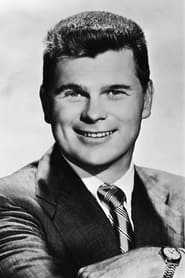
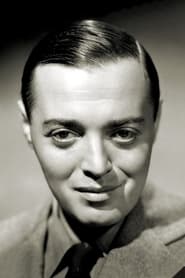
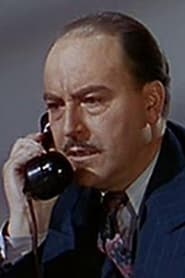
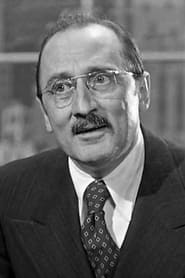
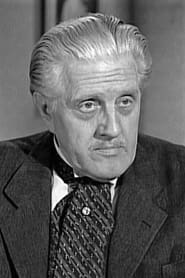
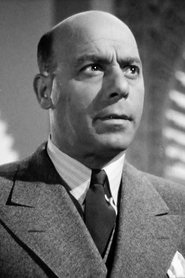
Barry Nelson plays James Bond in a 1954 CBS live television adaptation of Casino Royale, with Peter Lorre as Le Chiffre in a poker duel over Cold War funds. It was the first authorized Bond screen appearance.
Cast & crew
More Drama films
View all →






More about this film
About the production
Release dateOctober 21, 1954
ProductionCBS Television, Climax! Productions
Filmed inCBS Television City, Hollywood, Los Angeles, California, USA
This was produced as an episode of the CBS anthology series 'Climax!' and was the first-ever screen adaptation of Ian Fleming's James Bond character. The production Americanized Bond, making him a CIA agent named 'Jimmy' rather than the British MI6 agent from the novels. The episode was broadcast live, which was common for television dramas of the era, requiring actors to perform their lines in real-time without retakes.
Themes
Cold War espionageGambling as metaphor for international conflictBetrayal and revengeEast vs West tensionsMoral ambiguity in espionage
Themes & topics
Historical background
The Climax! episode predates the Eon film series by a decade; Nelson's American Bond differs sharply from Sean Connery's later icon.
Why this film matters
This production represents a crucial milestone in the James Bond legacy as the first screen adaptation, establishing the character's visual presence years before the film series began. It demonstrates the early American interpretation of Bond, showing how the character was initially adapted for U.S. audiences before becoming definitively British in popular consciousness. The episode's success helped prove the market viability of Bond as a multimedia property, influencing future adaptations. It also represents an important artifact of early television drama, showcasing the live broadcast format that dominated 1950s television. The Americanization of Bond in this version contrasts sharply with later interpretations, making it a fascinating study in how cultural contexts shape character adaptations.
Making of
The production was created as part of the popular anthology series 'Climax!' which aired dramatic adaptations of novels and plays. Director William H. Brown Jr. had to condense Fleming's novel into a tight 50-minute format, leading to significant changes from the source material. The Americanization of Bond was a network decision to make the character more relatable to American audiences. Peter Lorre, a renowned character actor known for his roles in film noir, was cast as Le Chiffre to bring star power to the production. The live broadcast format meant that any mistakes made by actors or technical issues would be seen by millions of viewers, creating enormous pressure on the cast and crew. The surviving kinescope recording was created by filming a television screen during the live broadcast, which was the standard method for preserving live television in the 1950s.
What critics said
Fans treat it as a curiosity; historians note its role in proving Bond could work on screen.
Did you know?
- This was the very first screen appearance of James Bond, predating the famous Eon Productions film series by eight years.
- Barry Nelson's character was renamed 'Jimmy Bond' and was Americanized as a CIA agent rather than the British MI6 agent from Fleming's novels.
- Peter Lorre was the first actor to play a Bond villain on screen, portraying Le Chiffre.
- Ian Fleming reportedly sold the television rights to Casino Royale for just $1,000.
- This adaptation was broadcast live as part of the CBS anthology series 'Climax!' with a running time of approximately 50 minutes.
- The character of Felix Leiter was renamed 'Clarence Leiter' and was portrayed as a British agent rather than American.
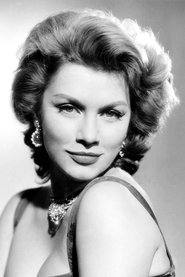
- Linda Christian became the first ever Bond girl on screen, playing Valerie Mathis (a character created for this adaptation).
- The baccarat scenes were simplified for television audiences, as the game was less familiar to American viewers than poker.
- This production is now considered lost in its original live broadcast form, though a kinescope recording survives.
- The episode was so successful that CBS considered developing a James Bond television series, but Fleming declined.
Visual style
The visual style was typical of early 1950s television drama, utilizing the limited camera movements and basic lighting setups available for live television production. The casino scenes were designed to create atmosphere within the constraints of studio sets, using dramatic lighting to enhance the tension of the gambling sequences. The black and white photography emphasized the noir elements of the story, particularly in scenes featuring Peter Lorre. The kinescope recording that survives shows the limitations of the technology, with reduced image quality compared to the original broadcast. The production made effective use of close-ups during the card game to build suspense, a technique that would become standard in later Bond films.
Innovations
The primary technical achievement was successfully mounting a complex adaptation as a live television production, requiring precise timing and coordination among cast, crew, and technical staff. The use of multiple cameras for the casino scenes demonstrated the growing sophistication of television production techniques. The creation of a kinescope recording preserved this important cultural artifact for future generations, though at the cost of visual quality. The production also demonstrated early attempts at creating international atmosphere within studio constraints, using set design and lighting to suggest Monte Carlo despite being filmed in Hollywood. The live broadcast format required innovative solutions for scene transitions and special effects that could be executed in real-time.
Music
The music was typical of 1950s television drama, featuring an orchestral score that emphasized the suspense and exotic setting of Monte Carlo. The theme music was composed specifically for the episode, though no recording of it has been widely released. Sound effects were minimal, as was standard for live television productions of the era, with dialogue carrying most of the dramatic weight. The casino scenes featured subtle background music to enhance the gambling atmosphere without overwhelming the dialogue. The limited audio technology of the time meant the soundtrack was mono and lacked the sophistication of later film scores, but effectively served the dramatic needs of the production.
Famous quotes
The odds are against me, but I've always preferred playing against the odds." - Jimmy Bond
In my business, you learn to trust no one completely." - Jimmy Bond
Gambling is a business for serious people, not a game for fools." - Le Chiffre
Memorable scenes
- The tense baccarat game where Bond faces Le Chiffre, with the camera focusing closely on their faces and the cards being dealt.
- The opening sequence where Jimmy Bond receives his mission briefing, establishing his character as an American CIA agent.
- The final confrontation where Le Chiffre holds Valerie hostage and Bond must rescue her.
- The assassination attempt on Bond's life in his hotel room, showcasing the danger of his mission.
What audiences thought
The episode was reportedly well-received by television audiences of 1954, generating strong ratings for 'Climax!' and demonstrating public appetite for spy stories. Viewers were particularly drawn to Peter Lorre's menacing performance and the tension of the casino scenes. The live broadcast format added to the excitement, as audiences knew they were watching a performance happening in real-time. Many contemporary viewers were unaware of the source material, experiencing James Bond for the first time through this Americanized version. The episode's success led to discussions of a potential Bond television series, though these never materialized. Modern audiences, primarily Bond enthusiasts and classic television fans, view the production as an essential historical artifact despite its differences from later Bond interpretations.
Film connections
Influenced by
- Ian Fleming's 1953 novel Casino Royale
- Film noir conventions of the 1950s
- Cold War spy fiction
- Television anthology format
This film influenced
- Casino Royale (1967)
- Casino Royale (2006)
- Dr. No (1962)
- The James Bond film series
Film restoration
The original live broadcast no longer exists, but a kinescope recording survives and is preserved in television archives. The kinescope format results in reduced visual and audio quality compared to the original broadcast, but it remains the only complete record of this historic production. The recording has been digitally restored where possible and is occasionally screened at film festivals and Bond retrospectives.
Where to watch
- The episode is available on some classic television streaming services
- Included in James Bond DVD/Blu-ray collections as a bonus feature
- Available through the Paley Center for Media archives
- Occasionally screened at classic television festivals and Bond-themed events
- Some public domain video websites may host the kinescope recording