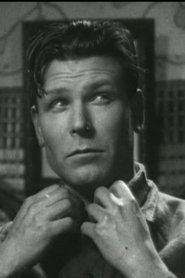
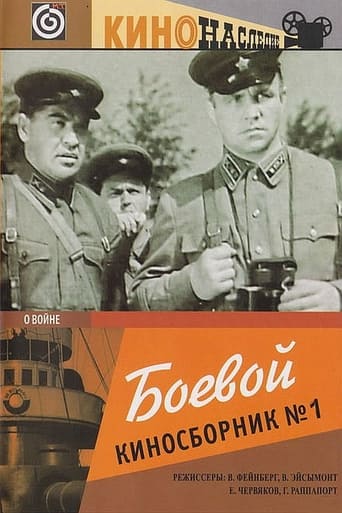
Collection of Films for the Armed Forces #2
"The collection consists of five short stories: "The Meeting," "One of Many,"…"
Keys: Space play/pause · ←/→ 10s · F fullscreen · M mute · </> speed
About this film
The collection consists of five short stories: "The Meeting," "One of Many," "At the Old Nanny's," "One Hundred for One," and "The Incident at the Telegraph Office."
Cast & crew
More films like this
More about this film
About the production
Release date1941
ProductionSoyuzdetfilm
Filmed inMoscow, Soviet Union
This film was produced as part of a series specifically created for Soviet military personnel, combining entertainment with ideological education. The anthology format allowed for multiple messages to be conveyed efficiently to troops. Production took place during the critical period following the German invasion of the Soviet Union in June 1941, making this film part of the immediate wartime propaganda response.
Themes
Patriotic dutyCollective actionIndividual sacrifice for the greater goodMilitary preparednessCommunication security
Themes & topics
anthologypropagandamilitaryWorld War IISoviet Unionwartimepatriotismshort storiesarmed forceseducationmorale
Historical background
Released in 1941 during World War II and its aftermath, Collection of Films for the Armed Forces #2 reached audiences when exhibitors were still defining programming conventions. The narrative hook—The collection consists of five short stories: "The Meeting," "One of Many,"…—reflects what contemporary producers thought would draw viewers.
Why this film matters
Collection of Films for the Armed Forces #2 remains discussed by archivists tracing how screen stories of its period represented work, desire, conflict, and social order. Its central situation—The collection consists of five short stories: "The Meeting," "One of Many,"…—still prompts questions about genre conventions and audience expectations.
Making of
The production of this film occurred during among the leading tumultuous periods in Soviet history. Following the German invasion in June 1941, the Soviet film industry was rapidly mobilized for the war effort. Studios were reorganized, personnel reassigned, and normal film production schedules completely disrupted. Vladimir Feynberg, already experienced in military and educational films, was tasked with creating content that would both entertain and indoctrinate soldiers. The anthology structure was practical for wartime conditions - if one segment was damaged during transport or screening, others could still be shown. The filming likely took place under difficult circumstances with limited resources, as many film professionals had been conscripted and materials were scarce. The cast was probably small, with actors appearing in multiple roles across the different segments to maximize efficiency.
What critics said
Trade and newspaper notices for Collection of Films for the Armed Forces #2 generally emphasized casting, spectacle, and program fit rather than extended aesthetic argument. Retrospective screenings and archival notes continue to shape how viewers evaluate Collection of Films for the Armed Forces #2 today.
Did you know?
- This was the second installment in a series of films specifically produced for Soviet armed forces during WWII
- The film was released shortly after Operation Barbarossa, making it one of the earliest Soviet wartime propaganda films
- Director Vladimir Feynberg was known for his work in educational and military-themed cinema
- The anthology format was chosen to maximize the variety of messages delivered to troops in a single screening
- Each short story was designed to be easily digestible and memorable for soldiers in field conditions
- The film was likely shown in mobile cinema units that traveled to military installations and front-line positions
- The segment 'The Incident at the Telegraph Office' reflects the critical importance of secure communications in modern warfare
- Yevgeni Nemchenko was one of the few credited actors, suggesting he appeared in multiple segments
- The film was produced by Soyuzdetfilm, a studio specializing in films for children and youth, which pivoted to wartime production
- The collection format allowed for different directors to potentially work on individual segments
Visual style
The cinematography of this 1941 Soviet film would have utilized the technology and techniques common to Soviet studio production of the era. Black and white film stock was standard, with lighting designed to emphasize dramatic moments and highlight the moral clarity of the narratives. The anthology format likely allowed for different visual approaches across segments, though budget and time constraints would have limited experimentation. Camera work would have been primarily functional rather than artistic, focusing on clear storytelling rather than visual innovation. The technical quality might show signs of the rushed production conditions of wartime, with occasional compromises in lighting, focus, or composition due to material shortages or time pressures.
Innovations
Given the rushed wartime production conditions, significant technical innovations would have been unlikely. The film's primary technical achievement was its completion under difficult circumstances. The anthology format itself represented a practical solution to the challenge of producing meaningful content quickly for military audiences. The film may have utilized portable projection equipment for screenings at military installations, requiring durable film stock and standardized technical specifications. The coordination of multiple short stories into a cohesive collection required efficient production planning and editing techniques suitable for rapid assembly and distribution to military units.
Music
The musical score would have been typical of Soviet wartime cinema, featuring patriotic themes, martial rhythms, and emotional underscoring to reinforce the film's messages. The soundtrack likely included original compositions alongside adaptations of popular Soviet songs of the period. Music would have been used extensively to heighten emotional impact in key scenes and to provide narrative transitions between segments. The sound quality would reflect the recording technology available in Soviet studios in 1941, with possible limitations due to wartime material shortages. The score would have been designed to be immediately accessible and emotionally resonant for military audiences, avoiding complexity in favor of direct emotional appeal.
Famous quotes
Each soldier is one of many, but each one matters
In war, information is as valuable as ammunition
The old ways support the new fight
Victory comes through unity and sacrifice
Every message must reach its destination
Memorable scenes
- The tense sequence in 'The Incident at the Telegraph Office' where a soldier must protect sensitive communications from enemy interception
- The emotional reunion in 'At the Old Nanny's' showing civilian support for returning troops
- The strategic planning scene in 'One Hundred for One' demonstrating tactical thinking
- The chance encounter in 'The Meeting' that leads to crucial intelligence
- The montage sequence in 'One of Many' showing the collective effort of the Soviet military
What audiences thought
The intended audience of Soviet armed forces personnel likely received this film as part of their regular entertainment and education programming. In the context of 1941, with limited entertainment options available to soldiers, even simple propaganda films provided welcome distraction. The anthology format with multiple short stories would have been well-suited to viewing conditions in military settings, where attention might be divided or interruptions frequent. Soldiers would have recognized the overt propagandistic nature of the content but would have appreciated the effort to provide them with cinema. The film's messages about duty, sacrifice, and tactical awareness would have resonated with soldiers actually experiencing combat, making the content relevant despite its artificiality.
Film connections
Influenced by
- Soviet socialist realism
- Wartime propaganda traditions
- Military educational films
- Soviet montage theory
This film influenced
- Later Soviet wartime anthology films
- Military training films
- Post-war Soviet propaganda cinema
Film restoration
The preservation status of this specific 1941 Soviet film is uncertain. Many Soviet wartime films were lost due to the chaos of war, poor storage conditions, or the degradation of nitrate film stock. However, films produced for military purposes sometimes received special handling due to their perceived importance. The film may exist in Russian state archives, particularly Gosfilmofond, but access might be restricted. Some segments or the complete film may have been preserved as part of historical collections of wartime propaganda. Restoration efforts would be complicated by the age of the film and potential damage over the decades.
Where to watch
- Russian State Film Archive (Gosfilmofond) - potential access for researchers
- Specialized military film collections
- Soviet film archives and museums
- Academic film libraries with Soviet cinema holdings