
Films
3 films
About Yevgeni Nemchenko
Soviet actor active during the Stalin era of Soviet cinema — known for his roles in patriotic and historical films of the late 1930s and early 1940s. His career coincided with a period of state-controlled filmmaking that emphasized socialist realism and heroic narratives. Nemchenko appeared in 'Pugachev' (1937), a historical drama about the 18th-century peasant uprising leader, which was one of the significant Soviet productions of its time. During World War II, he contributed to wartime propaganda efforts with his appearance in 'Collection of Films for the Armed Forces #2' (1941), which was part of a series created to boost morale among Soviet troops. His final known film appearance was in 'Moscow Skies' (1944), a wartime production that celebrated Soviet aviation heroes. Like many actors of his generation, Nemchenko's career was shaped by the political and cultural demands of the Soviet system, with his roles often serving the state's ideological objectives. His filmography, though limited, reflects the characteristic themes of Soviet cinema during this turbulent period.
The Craft
On Screen
Likely adhered to the socialist realist style dominant in Soviet cinema of the 1930s-40s, emphasizing heroic portrayals and ideological clarity
Milestones
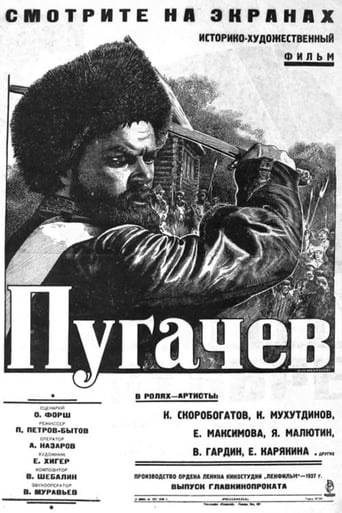
- Appeared in the historical epic 'Pugachev' (1937)
- Contributed to wartime propaganda with 'Collection of Films for the Armed Forces #2' (1941)
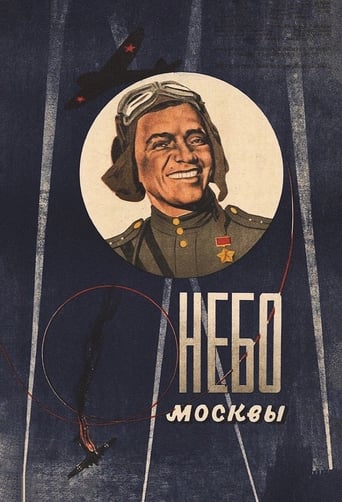
- Starred in the wartime aviation film 'Moscow Skies' (1944)
Best Known For
Iconic Roles
Must-See Films
Working Relationships
Studios
Why They Matter
Impact on Culture
Yevgeni Nemchenko's work represents the contribution of character actors to Soviet cinema during a critical historical period, encompassing both pre-war historical epics and wartime propaganda films. His participation in films like 'Pugachev' and 'Moscow Skies' reflects the Soviet film industry's focus on creating heroic narratives that served both artistic and ideological purposes. While not a major star, actors like Nemchenko were essential to the Soviet film system, providing the ensemble performances that brought state-sanctioned narratives to life. His career trajectory from historical drama to wartime propaganda mirrors the broader shift in Soviet cinema as the nation mobilized for total war. The limited but purposeful nature of his filmography exemplifies how Soviet actors were often deployed in service of specific cultural and political objectives during this era.
Lasting Legacy
Yevgeni Nemchenko's legacy is preserved primarily through his contributions to Soviet cinema during one of its most ideologically charged periods. While not widely remembered in contemporary film discourse, his work in films like 'Pugachev' and 'Moscow Skies' represents the collective effort of Soviet actors to create cinema that reflected the values and priorities of the Soviet state. His career shows the many supporting actors who formed the backbone of Soviet film production during the 1930s and 1940s. The preservation of his films in Soviet cinema archives ensures that his contributions to this important chapter of film history remain accessible to scholars and historians. His story exemplifies the experience of countless actors whose careers were shaped by the unique demands and constraints of working within the Soviet film system.
Who They Inspired
As a supporting actor during the Stalin era, Yevgeni Nemchenko's direct influence on subsequent generations of actors is difficult to trace, given the limited documentation of his career and the broader changes that occurred in Soviet cinema after his active period. However, his participation in establishing the conventions of socialist realist acting contributed to the training and stylistic foundation that would influence later Soviet performers. The films he appeared in, particularly the historical drama 'Pugachev,' would have served as examples for subsequent Soviet actors working in similar genres. His work in wartime propaganda films also contributed to the development of acting techniques specific to politically motivated cinema, a tradition that would continue in various forms throughout the Soviet period.
Off Screen
Very limited information is available about Yevgeni Nemchenko's personal life, which was common for many Soviet actors of this period whose private details were not extensively documented in public records.
Did You Know?
- Active during the Stalin era of Soviet cinema (1937-1944)
- Appeared in both historical and wartime propaganda films
- His film active years covered the critical period from pre-WWII Soviet cinema to wartime production
- Like many Soviet actors of his generation, detailed biographical information is scarce
- His final film 'Moscow Skies' (1944) was released during the final year of WWII
- Participated in the 'Collection of Films for the Armed Forces' series, which was specifically created for Soviet military personnel
- Worked during the period when socialist realism was the mandated artistic style in Soviet cinema
Frequently Asked Questions
Who was Yevgeni Nemchenko?
Soviet with credits in this catalog. He appeared in three notable films: 'Pugachev' (1937), 'Collection of Films for the Armed Forces #2' (1941), and 'Moscow Skies' (1944), representing the typical career trajectory of Soviet actors during the Stalin era.
What films is Yevgeni Nemchenko best known for?
Titles linked here include Pugachev (1937), Collection of Films for the Armed Forces #2 (1941).
When was Yevgeni Nemchenko born and when did he die?
Unfortunately, specific birth and death dates for Yevgeni Nemchenko are not readily available in existing records, which is common for many Soviet supporting actors of this period. His known film active years covered from 1937 to 1944.
What awards did Yevgeni Nemchenko win?
No specific awards or honors for Yevgeni Nemchenko are documented in available sources. Like many Soviet character actors of his era, his contributions were likely recognized more through steady employment than through formal accolades.
What was Yevgeni Nemchenko's acting style?
Nemchenko likely adhered to the socialist realist style that dominated Soviet cinema during his active years, characterized by clear, heroic portrayals that served ideological purposes. His roles in both historical and wartime films would have required the dramatic, declarative acting style typical of Soviet cinema of the 1930s-40s.