Keys: Space play/pause · ←/→ 10s · F fullscreen · M mute · </> speed
Plot
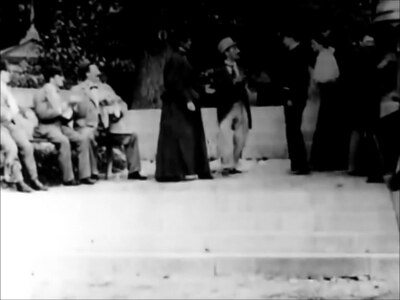
This pioneering short film captures a brief comic encounter in Stockholm's Djurgården park, depicting what appears to be staged comedic interactions between individuals in this popular recreational area. The film shows visitors in the park engaging in humorous antics, likely exaggerated for the camera in this very early example of staged comedy in cinema. The scene takes place against the backdrop of Djurgården's natural beauty, with the Skansen open-air museum nearby. As one of the first films ever shot in Sweden, it captures both the novelty of moving pictures and the everyday leisure activities of late 19th-century Stockholm residents. The comic elements were likely simple physical gags typical of early cinema, designed to entertain audiences with the novelty of seeing moving images of people in recognizable situations.
Director
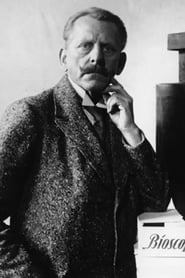 Max Skladanowsky
About the Production
Release Date 1896
Box Office Unknown - box office tracking was not standardized in 1896
Production Skladanowsky Brothers
Filmed In Djurgården, Stockholm, Sweden
This film was shot using the Skladanowsky brothers' Bioscop camera, which used two parallel film strips to create moving images. The production was part of the Skladanowskys' international filming expeditions to demonstrate their technology. The filming in Stockholm represented one of the earliest instances of cinema production outside the major film centers of France and Germany. The outdoor setting presented significant technical challenges for 1896 equipment, requiring careful management of natural lighting and camera stability.









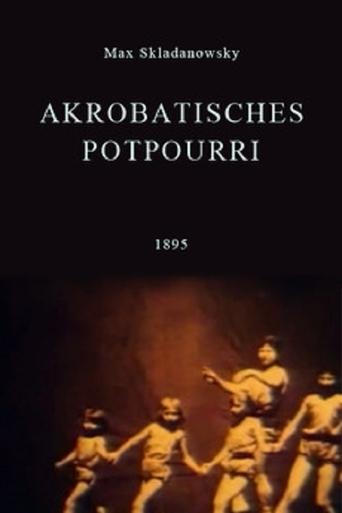
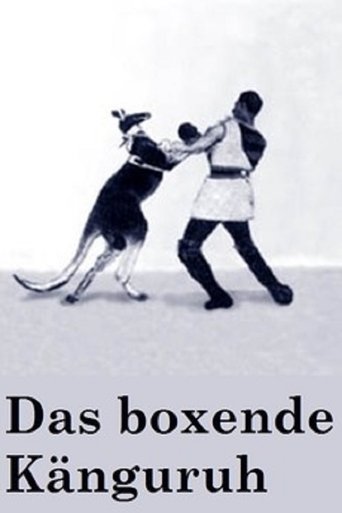
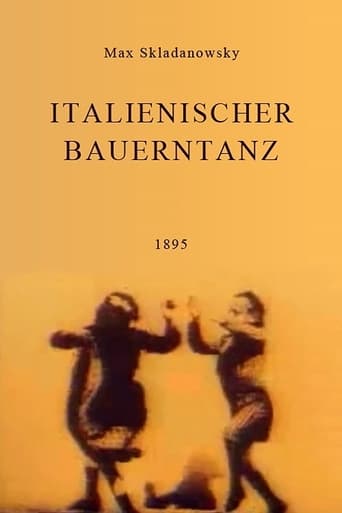
Themes & Topics
StockholmDjurgårdenComedyOutdoor filmingSwedish cultureGerman cinema1890sSilent filmShort filmHistorical documentation
Historical Background
1896 was a pivotal year in the birth of cinema, occurring just months after the first public film screenings by the Lumière brothers in Paris and the Skladanowsky brothers in Berlin. This period represents the dawn of motion picture technology, when inventors and entrepreneurs were racing to develop and commercialize film projection systems. The late 19th century was characterized by rapid technological innovation, with electricity becoming widespread and urban populations growing, creating new entertainment markets. Stockholm in 1896 was undergoing modernization, with Djurgården serving as a symbol of Sweden's cultural heritage amid industrial progress. The film was created during the Belle Époque, a period of cultural optimism and artistic experimentation across Europe. Cinema emerged alongside other new technologies like the telephone and automobile, capturing the public's fascination with mechanical wonders. The international nature of this production - German filmmakers shooting in Sweden - reflects how quickly cinema became a global medium, transcending national borders even in its infancy.
Why This Film Matters
As the first film shot in Stockholm, 'Comic Encounter in the Djurgården' holds immense historical importance for Swedish cinema and cultural heritage. The film represents the introduction of motion pictures to Sweden, marking the beginning of what would become a significant national film industry. The choice of Djurgården as a location is culturally significant, as this area represents Swedish identity, nature, and tradition - themes that would recur throughout Swedish cinema history. The film captures a moment in time when Stockholm was transitioning from a 19th-century city to a modern capital, preserving the everyday life and leisure activities of ordinary Stockholmers. The comic nature of the content demonstrates how early filmmakers understood the universal appeal of humor, using it to make the new medium of film accessible and entertaining to audiences of all backgrounds. This film also represents the international exchange of cinematic technology and ideas, showing how German innovations quickly spread to other European countries. The preservation of this early Swedish footage provides invaluable documentation of urban life, fashion, and social interactions in late 19th-century Scandinavia.
Making Of
The making of 'Comic Encounter in the Djurgården' represents a fascinating chapter in early cinema history. Max Skladanowsky and his brother Emil were German inventors who developed their own film projection system, the Bioscop, which used two separate film strips running simultaneously to create the illusion of movement. This film was likely shot during their international demonstrations of the technology, as they sought to showcase their invention across Europe. The filming in Stockholm required transporting heavy and cumbersome equipment to Sweden, a significant logistical challenge in 1896. The choice of Djurgården as a location was strategic - it was one of Stockholm's most popular recreational areas, ensuring recognizable local content for Swedish audiences. The 'comic encounter' was likely staged specifically for the camera, as early filmmakers quickly realized that purely documentary footage was less entertaining than staged scenes. The performers were probably local residents or theater actors hired for the shoot, as professional film actors did not yet exist. The entire production would have been accomplished with minimal crew and basic equipment, with the camera hand-cranked and requiring careful timing to capture the brief action sequences.
What Critics Said
Contemporary critical reception of this film is largely undocumented, as film criticism as we know it did not exist in 1896. However, early films were generally received with wonder and excitement by audiences and press alike. Newspapers of the era typically reported on the novelty of moving pictures rather than providing artistic criticism. Modern film historians and archivists recognize this film as an important milestone in both German and Swedish cinema history. The film is valued today for its historical significance rather than its artistic merits, though it demonstrates the early understanding of comedic timing and visual storytelling. Contemporary scholars appreciate the film as a rare example of the Skladanowsky brothers' work outside of Germany and as evidence of the rapid international spread of cinema technology. The film is studied in academic contexts for its role in establishing Sweden's film heritage and for demonstrating the global nature of early cinema development.
Did You Know?
- This is the first film ever shot in Stockholm, Sweden, making it a milestone in Swedish cinema history
- The film was created by Max Skladanowsky, who along with his brother Emil, invented the Bioscop projector
- Djurgården (meaning 'Game Park' in Swedish) is an island in central Stockholm and has been a royal park since the 15th century
- The Skansen open-air museum, founded in 1891, is located in Djurgården and was Sweden's first open-air museum
- The Skladanowsky brothers' Bioscop predated the Lumière brothers' Cinématographe by several weeks
- The film was likely shot during the Skladanowskys' European tour to demonstrate their film technology
- Early films like this were often called 'actualities' or 'scenics' when showing real locations, but this one featured staged comedy
- The film was shot on 35mm film, which would become the industry standard
- Max Skladanowsky was originally a magician and showman before becoming a film pioneer
- The preservation of this film is remarkable given that over 90% of films from this era are considered lost
More film details Visual style, music, quotes, restoration, and more
Visual Style
The cinematography of 'Comic Encounter in the Djurgården' reflects the technical limitations and experimental nature of 1896 filmmaking. Shot on the Skladanowsky brothers' Bioscop camera, the film uses a fixed camera position typical of early cinema, as camera movement was not yet technically feasible. The composition is likely static and theatrical, with the frame arranged like a stage proscenium. The outdoor setting in Djurgården required careful consideration of natural lighting, as artificial lighting equipment was not portable or powerful enough for exterior shooting. The film would have been shot at approximately 16 frames per second, the standard speed for early cinema, giving the motion a slightly jerky quality when viewed today. The depth of field would have been limited due to the primitive optics of early camera lenses, resulting in a relatively flat visual field. The black and white cinematography captures the textures of late 19th-century clothing and the natural environment of Djurgården, providing valuable historical documentation. The camera work demonstrates the early understanding of framing and composition, even within the severe technical constraints of the era.
Innovations
This film represents several important technical achievements in early cinema history. It was shot using the Skladanowsky brothers' Bioscop system, which was one of the first practical film projection devices, predating the Lumière brothers' Cinématographe. The Bioscop used two parallel film strips, each containing alternating frames, which projected together to create smoother motion than single-strip systems of the era. The filming in Stockholm demonstrated the portability and reliability of early camera equipment, which was cumbersome and required careful handling. The production showcased the ability to shoot exterior scenes using natural light, overcoming the technical challenges of outdoor filming with primitive equipment. The film's preservation represents an achievement in itself, as the vast majority of films from this period have been lost due to the unstable nature of early film stock. The international nature of the production - German technology used in Sweden - demonstrates the rapid global dissemination of cinema technology in its earliest years. The film also represents early experimentation with narrative content, moving beyond simple documentary footage to staged comedic scenarios.
Music
The original film was silent, as synchronized sound technology would not be developed until the late 1920s. During initial screenings, the film would have been accompanied by live music, typically a pianist or small orchestra playing popular tunes of the era or improvising to match the on-screen action. The music selection would have been chosen to enhance the comic elements of the film, with lively, playful melodies accompanying the humorous encounters. Some venues might have employed sound effects created live, such as bells, whistles, or other percussive instruments to emphasize the comic moments. The musical accompaniment was crucial to early film exhibition, helping to engage audiences and compensate for the lack of recorded sound. Modern screenings of restored versions of this film are typically accompanied by period-appropriate music or newly composed scores that attempt to recreate the spirit of 1890s exhibition practices. The absence of recorded dialogue or sound effects places greater emphasis on visual storytelling and physical comedy, which was the standard for early cinematic entertainment.
Famous Quotes
No recorded dialogue - silent film
Memorable Scenes
- The comic encounter in Djurgården park, representing one of the first staged comedic scenes in cinema history, featuring performers engaging in humorous interactions against the backdrop of Stockholm's most famous recreational area
What Audiences Thought
Audience reception in 1896 would have been characterized by astonishment and wonder at the novelty of seeing moving images. Contemporary viewers were often shocked and delighted by the simple magic of photographs coming to life, regardless of the content. The comic elements would have provided additional entertainment value, helping audiences connect with this new medium through familiar humor. Swedish audiences would have been particularly fascinated by seeing recognizable local locations on screen, making the experience more immediate and personal. The film would have been shown as part of a variety program including other short films, live performances, and magic lantern shows, as dedicated cinemas did not yet exist. Modern audiences viewing this film today typically approach it as a historical artifact, appreciating its place in cinema history rather than seeking entertainment value. The film is now primarily of interest to film historians, archivists, and cinema enthusiasts rather than general audiences.
Film Connections
Influenced By
- Magic lantern shows
- Stage comedy
- Photographic documentation
- Vaudeville entertainment
This Film Influenced
- Early Swedish comedies
- Stockholm documentary films
- Skladanowsky brothers' subsequent works
Film Restoration
The film is preserved in film archives, though the exact condition and completeness may vary. As one of the earliest films, it represents a rare surviving example of the Skladanowsky brothers' work and the earliest Swedish film footage. The preservation status makes it invaluable to film historians and archivists studying the birth of cinema.
Where to Watch
- Film archives and museums
- Specialized early cinema collections
- Academic film studies programs
- Online film history databases
- European film institute collections