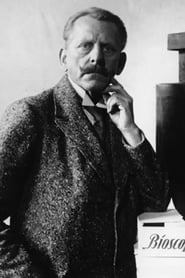
Max Skladanowsky
Actor & Director
Born: April 30, 1863 in Berlin, Prussia (now Germany) Died: November 30, 1939 Active: 1892-1939 (film work primarily 1895-1896) Birth Name: Maximilian Skladanowsky
Films
10 films


About Max Skladanowsky
German inventor and filmmaker who, together with his brother Emil, created one of the world's first motion picture projection systems. Born into a family of showmen and inventors, Max initially worked as a photographer and glass painter before developing an interest in capturing motion. In 1892, the brothers began experimenting with sequential photography, eventually creating the Bioscop projector, which used two loops of film to create a smoother moving image. On November 1, 1895, they hosted the first commercial film screening in history at Berlin's Wintergarten music hall, presenting eight short films to an astonished audience. Despite their achievement, the Skladanowsky brothers were quickly overshadowed by the Lumière brothers' more advanced technology. Max continued to innovate, developing color film processes and other cinematic techniques, though he never achieved the same commercial success as his early rivals. His work laid crucial groundwork for the development of cinema as both an art form and entertainment medium.
The Craft
Behind the Camera
Experimental and documentary-style approach, focusing on capturing real movement and simple narratives. His directing was limited by the technological constraints of the era, emphasizing visual spectacle and novelty over complex storytelling.
Milestones
- Invented the Bioscop projector with brother Emil (1895)
- Presented the first commercial film screening in history (November 1, 1895)
- Created and directed some of the first narrative films
- Pioneered early color film processes
- Developed innovative camera and projection technologies
Best Known For
Iconic Roles
Must-See Films
Accolades
Won
- Posthumous recognition by German Film Museum
- Honored in Berlin's Museum of Film and Television
Special Recognition
- Stresemannstraße in Berlin named after Skladanowsky brothers
- Max Skladanowsky Medal awarded by German film institutions
- Featured in permanent exhibitions at major film museums worldwide
Working Relationships
Worked Often With
Studios
Why They Matter
Impact on Culture
Max Skladanowsky's work represents a pivotal moment in cinema history, marking the transition from optical toys to genuine motion picture entertainment. His Bioscop projector and the Wintergarten screening demonstrated the commercial viability of moving images, paving the way for the global film industry. Though overshadowed by the Lumière brothers and Edison, Skladanowsky's German innovations contributed to the rapid technological evolution of cinema. His early films, though simple by modern standards, established fundamental concepts of cinematic storytelling and visual entertainment. The Skladanowsky brothers' achievement in presenting paid film screenings helped establish cinema as a commercial art form, influencing countless entrepreneurs and artists who would follow.
Lasting Legacy
Max Skladanowsky is remembered as one of cinema's true pioneers, a German innovator who independently developed motion picture technology concurrent with other early inventors. His Bioscop projector, while technically surpassed by competitors, represented a crucial step in the evolution of film technology. Today, film historians recognize the Wintergarten screening as a landmark event in cinema history, establishing Germany as an early center of cinematic innovation. Skladanowsky's story exemplifies the spirit of invention and experimentation that characterized the birth of motion pictures. His legacy lives on through film museums, historical research, and the continued recognition of his contributions to the art and technology of cinema.
Who They Inspired
Skladanowsky's early work influenced subsequent German filmmakers and technicians, demonstrating the commercial potential of motion pictures. His innovations in projection technology inspired other inventors to improve upon his designs. The success of his early screenings encouraged entrepreneurs across Europe and America to invest in cinema technology. His approach to capturing real movement and simple narratives established basic principles that early filmmakers would build upon. Though his direct influence was limited by the rapid advancement of film technology, his spirit and technical innovations contributed to the foundation upon which the global film industry was built.
Off Screen
Max Skladanowsky came from a family of performers and inventors. His father Carl was a glazier and showman who introduced his sons to the world of entertainment and technical innovation. Max married and had children, though specific details about his family life are limited in historical records. He lived most of his life in Berlin, continuing his inventive work even after his film career ended. In his later years, he struggled financially but maintained his passion for invention and photography until his death in 1939.
Education
Primarily self-taught; learned photography and technical skills from his father and through apprenticeship in various trades
Family
- Name not widely documented in historical records
Did You Know?
- The Bioscop projector used two separate film loops running simultaneously to reduce flicker
- The Wintergarten screening preceded the Lumière brothers' famous Paris screening by nearly two months
- His film 'The Boxing Kangaroo' featured a real kangaroo wearing boxing gloves
- Skladanowsky originally worked as a photographer and glass painter before entering film
- The brothers' early films were shot on 35mm film, the same gauge still used today
- Max continued inventing throughout his life, holding numerous patents beyond film technology
- His early films were typically only 1-2 minutes long due to technical limitations
- The Skladanowsky brothers traveled with their Bioscop, giving demonstrations across Europe
- Many of their original films have been lost, though some survive in archives
- Max's brother Emil was the more technical of the two, while Max focused on creative aspects
In Their Own Words
We wanted to capture life itself, to make the impossible possible through the magic of light and motion
The audience gasped when they saw our pictures move - in that moment, we knew we had created something revolutionary
Cinema is not just an invention, it is a new way of seeing the world
Frequently Asked Questions
Who was Max Skladanowsky?
German inventor and filmmaker who, with his brother Emil, created one of the world's first motion picture projection systems. He presented the first commercial film screening in history on November 1, 1895, at Berlin's Wintergarten music hall, making him a true pioneer of cinema.
What films is Max Skladanowsky best known for?
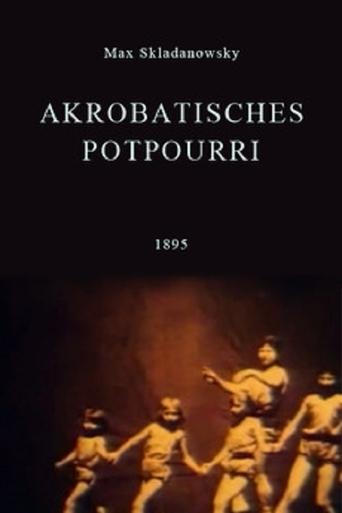
Titles linked here include Akrobatisches Potpourri (1895), The Boxing Kangaroo (1895).
When was Max Skladanowsky born and when did he die?
Born April 30, 1863; died November 30, 1939.
What was the Bioscop projector?
The Bioscop was the film projector invented by Max and Emil Skladanowsky, which used two separate film loops running simultaneously to create a smoother moving image. It was one of the first practical film projection systems and was used for their historic 1895 screening.
How did Skladanowsky influence cinema history?
Skladanowsky's work demonstrated the commercial viability of motion pictures, helping establish cinema as an entertainment industry. His technical innovations and early screenings paved the way for the global film industry, though he was quickly overshadowed by competitors with more advanced technology.