Keys: Space play/pause · ←/→ 10s · F fullscreen · M mute · </> speed
Plot
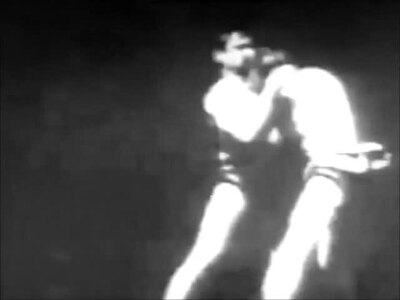
Ringkämpfer captures a brief wrestling match between two men on a theater stage. The performers, identified as Eugen Sandow and Greiner, are dressed in white leotards and tights with black slips over their attire. The stationary camera records the wrestlers as they demonstrate various holds, throws, and grappling techniques typical of late 19th-century wrestling exhibitions. The entire sequence lasts only seconds, showcasing the physical prowess of the performers in a single continuous shot that exemplifies the primitive nature of early cinema. The wrestlers move across the stage, engaging in choreographed combat that was likely rehearsed specifically for the camera.
Director
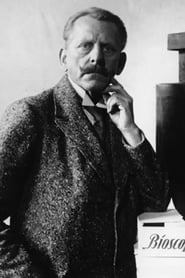 Max Skladanowsky
Cast
About the Production
Release Date November 1, 1895
Budget Not recorded - experimental film made with personal funds
Box Office Not applicable - exhibition films of this era were not commercially tracked
Production Skladanowsky Brothers
Filmed In Berlin, Germany
Filmed using the Skladanowsky brothers' proprietary camera equipment. The film was shot on 35mm film using a hand-cranked camera that could capture approximately 16 frames per second. The wrestling performance was likely staged specifically for the camera, as was common with early films that featured vaudeville or circus performers. The theater setting provided a controlled environment with adequate lighting, which was crucial for the slow film stock of the era.

Themes & Topics
Historical Background
Ringkämpfer was created during the absolute dawn of cinema, a time when moving images were a scientific novelty rather than an established art form. 1895 was the pivotal year when film technology transitioned from laboratory experiments to public exhibitions. Germany was undergoing rapid industrialization, and Berlin was emerging as a major European cultural center. The Skladanowsky brothers were part of a wave of inventors worldwide competing to perfect motion picture technology. This film emerged just months before the Lumière brothers' legendary first screening in Paris, making it part of cinema's foundational moments. The late Victorian era was fascinated with physical culture and athleticism, explaining the choice of wrestling as subject matter. This period also saw the rise of vaudeville and variety entertainment, which provided the performers and performance styles that early cinema would capture.
Why This Film Matters
Ringkämpfer represents one of the earliest examples of sports documentation on film, predating even sports photography as a widespread practice. The film showcases how early cinema captured popular entertainment forms of the Victorian era, particularly physical culture exhibitions that were extremely popular at the time. As one of the first German films ever made, it marks the beginning of German cinema, which would later become one of the world's most influential national cinemas. The film demonstrates how early cinema served as a bridge between theatrical performance and the new medium of motion pictures. Sandow's appearance in the film also represents an early example of celebrity casting, as he was already famous for his physique and strength demonstrations. The wrestling subject matter reflects the 19th-century fascination with classical forms of physical display and the emerging modern interest in athletics and bodybuilding.
Making Of
The Skladanowsky brothers, Max and Emil, were German inventors who developed their own film projection system called the Bioscop. They filmed Ringkämpfer as part of a program of short films to demonstrate their invention. The production was extremely rudimentary by modern standards - the camera was hand-cranked, stationary, and required bright lighting to capture any image. The wrestlers had to perform under hot stage lights for extended periods while the brothers experimented with exposure times. Eugen Sandow, already famous for his physical development displays, was recruited as he was a major draw in Berlin at the time. The filming likely took place in a small studio or theater space that the brothers could control completely. The entire production process from setup to filming probably took several hours, though the final film lasts only seconds.
What Critics Said
Contemporary critical reception is virtually impossible to trace as film criticism did not exist as a discipline in 1895. The film was reviewed only in the context of general newspaper coverage of the Skladanowsky brothers' Bioscop demonstrations. Reports focused more on the technological marvel of moving pictures than on the content of individual films. Modern film historians and critics recognize Ringkämpfer as a historically significant artifact that provides insight into early cinema practices and popular entertainment of the 1890s. Film scholars value it as an example of how early filmmakers chose subjects that would showcase motion and physical action, which were the most impressive aspects of the new medium to contemporary audiences.
Did You Know?
- This is one of the earliest surviving German films, created by the Skladanowsky brothers who were German cinema pioneers
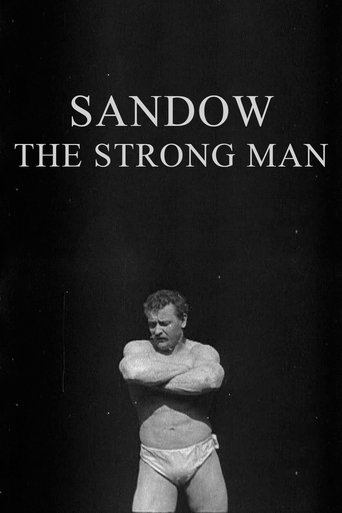
- Eugen Sandow was actually a famous bodybuilder and strongman, often called the 'Father of Modern Bodybuilding'
- The film premiered at the Wintergarten theatre in Berlin during the first-ever film screening in Germany
- The Skladanowsky brothers' Bioscop projector could show two films simultaneously, but Ringkämpfer was shown solo
- This film predates the famous Lumière brothers' first public screening in Paris by nearly two months
- The wrestlers performed on a mat specifically laid down for the filming, as theater stages were typically wooden
- Max Skladanowsky served as both director and cameraman for this production
- The film was shot in a single take with no editing, as film editing technology had not yet been invented
- Sandow was reportedly paid 5,000 marks for his participation, a substantial sum for the time
- The original negative was destroyed in World War II, but copies survived in various archives
Awards & Recognition
- None - film awards did not exist in 1895
More film details Visual style, music, quotes, restoration, and more
Visual Style
The cinematography of Ringkämpfer represents the most basic form of early film technique - a single stationary camera position capturing the entire scene in one continuous take. The camera was likely placed at a fixed distance from the performers to ensure they remained in frame throughout their movements. The lighting would have been bright and harsh, necessary to compensate for the extremely slow film sensitivity of the era. There are no camera movements, cuts, or other techniques that would later become standard in cinematography. The composition is straightforward and functional, designed primarily to clearly document the action rather than create artistic effects. The frame shows the entire wrestling area with the performers centered, following the theatrical presentation style common in early cinema.
Innovations
Ringkämpfer represents a significant technical achievement as one of the first films successfully created and exhibited using the Skladanowsky brothers' Bioscop system. The film demonstrates the successful application of 35mm film stock in a motion picture camera, a format that would become the industry standard. The ability to capture continuous motion at approximately 16 frames per second was groundbreaking for the time. The film's survival itself is a technical achievement, given the fragile nature of early film stock. The Bioscop projector used to exhibit the film was innovative in its ability to show two films simultaneously, though Ringkämpfer was typically screened alone. The film also demonstrates early mastery of exposure and development techniques necessary to produce visible images with the primitive equipment of the era.
Music
No original soundtrack existed for Ringkämpfer as synchronized sound technology would not be invented for another 30 years. During original screenings, the film would have been accompanied by live music, typically a pianist or small orchestra playing appropriate music for the action on screen. The musical accompaniment would have been improvised or selected from popular pieces of the era. Modern screenings and presentations of the film often feature period-appropriate music or newly composed scores that attempt to recreate the atmosphere of 1890s exhibition screenings.
Famous Quotes
No dialogue exists in this silent film
Memorable Scenes
- The opening sequence shows both wrestlers entering the frame and assuming starting positions, immediately establishing the competitive nature of the exhibition. The wrestlers demonstrate various holds and throws, with Sandow's muscular physique being prominently displayed. The concluding pose where both performers acknowledge the camera represents one of the earliest examples of performers breaking the fourth wall in cinema.
What Audiences Thought
Audiences in 1895 were reportedly amazed by the lifelike movement captured in Ringkämpfer, as most had never seen moving images before. The wrestling subject matter was familiar and entertaining to theater-goers of the era, making the technological innovation more accessible. Contemporary accounts suggest that viewers were particularly impressed by the clarity of the wrestlers' movements and the realistic depiction of physical action. The film was part of a varied program that included other short films, and audiences responded enthusiastically to the entire novelty of the Bioscop presentation. The presence of Eugen Sandow likely drew additional viewers who were already familiar with his reputation as a strongman and physical culture advocate.
Film Connections
Influenced By
- Stage performances and vaudeville acts
- Wrestling exhibitions and physical culture shows
- Photographic sequences of motion
- Theatrical presentations
This Film Influenced
- Later sports documentaries
- Early boxing films
- Physical culture films
- Athletic demonstration shorts
Film Restoration
The film is preserved in several archives including the Bundesarchiv in Germany and the Museum of Modern Art in New York. While the original negative was lost during World War II, multiple copies and reproductions exist. The film has been digitally restored by various institutions and is available in high-quality digital format. The preservation status is considered good for a film of its age, though some degradation is visible in surviving prints.
Where to Watch
- Available on various streaming platforms specializing in early cinema
- Included in DVD collections of early German films
- Can be viewed at film archives and museums with early cinema collections
- Available on YouTube through archival channels
- Accessible through university film studies programs
- Screened occasionally at film festivals featuring historical cinema