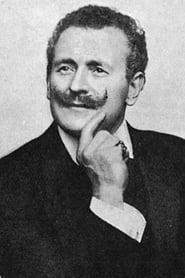
Eugen Sandow
Actor
Born: April 2, 1867 in Königsberg, Prussia (now Kaliningrad, Russia) Died: October 14, 1925 Active: 1880s-1925 (Film appearances: 1894-1895) Birth Name: Friedrich Wilhelm Müller
Films
3 films
About Eugen Sandow
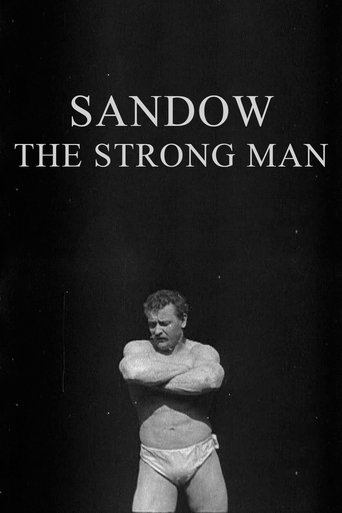
Eugen Sandow, born Friedrich Wilhelm Müller, was a German bodybuilder and strongman who became one of the earliest subjects of motion pictures. He began his career as a circus performer and gained international fame for his impressive physique and strength demonstrations, which he presented with artistic grace rather than brute force. Sandow's popularity led to him being filmed by the Edison Manufacturing Company and the Lumière brothers, making him one of the first celebrities captured on motion picture film. His 1894 film 'Sandow: The Strong Man' is considered one of the earliest examples of a motion picture featuring a celebrity subject. Beyond his brief film career, Sandow established the first major bodybuilding competition in 1901, which later evolved into the Mr. Olympia contest. He authored several books on physical culture and developed his own system of training and nutrition that influenced generations of fitness enthusiasts. Sandow's from the 1880s until his death in 1925, during which he transformed the public perception of physical fitness and helped establish bodybuilding as both an art form and a scientific pursuit.
The Craft
On Screen
Sandow's film appearances were essentially demonstrations of physical prowess rather than traditional acting. His style involved showcasing his muscular development through carefully choreographed poses and strength displays, emphasizing the artistic and aesthetic aspects of physical culture rather than mere exhibitionism.
Milestones
- First major bodybuilding competition organized in 1901
- Pioneered scientific approach to physical fitness
- Early motion picture subject for Edison and Lumière
- Authored influential books on physical culture
- Performed for royalty including King Edward VII
- Developed standardized measurements for physical perfection
- Created the Sandow system of training and nutrition
Best Known For
Iconic Roles
Must-See Films
Accolades
Won
- Inducted into the IFBB Hall of Fame (1977)
- Mr. Olympia statue named 'The Sandow' in his honor
Special Recognition
- Royal Warrant as 'Professor of Scientific and Physical Culture' from King Edward VII
- Statue erected at his gravesite in 1928
- Sandow Trophy remains the most prestigious award in professional bodybuilding
Working Relationships
Worked Often With
Studios
Why They Matter
Impact on Culture
Eugen Sandow revolutionized the concept of physical fitness and body aesthetics in the late 19th and early 20th centuries. His appearances in early motion pictures helped establish the celebrity culture that would become central to Hollywood, while his systematic approach to bodybuilding created the foundation for modern fitness culture. Sandow's emphasis on the Greek ideal of physical perfection influenced art, sculpture, and popular culture, making muscular development socially acceptable and even desirable. His work helped transform physical training from a purely functional pursuit to an art form and science, influencing everything from military training to popular entertainment.
Lasting Legacy
Sandow's legacy endures primarily through the Mr. Olympia competition, where winners receive the Sandow Trophy as bodybuilding's highest honor. His books and training methods formed the basis for modern bodybuilding principles, and his emphasis on proportion and aesthetics over sheer size continues to influence judging standards. The International Federation of Bodybuilding and Fitness (IFBB) Hall of Fame recognizes him as the father of modern bodybuilding, and his image appears on countless fitness publications and products. His early film work represents a crucial moment in cinema history when motion pictures began capturing and creating celebrity culture.
Who They Inspired
Sandow influenced countless athletes, bodybuilders, and fitness enthusiasts including Arnold Schwarzenegger, Steve Reeves, and Charles Atlas. His systematic approach to training influenced the development of physical education programs worldwide, and his emphasis on nutrition and recovery prefigured modern sports science. His aesthetic principles influenced not just bodybuilding but also the broader cultural ideal of the male physique in art, advertising, and entertainment throughout the 20th century.
Off Screen
Sandow married Blanche Brooks in 1894, and they had two daughters together. He became a naturalized British citizen in 1911 and established successful businesses in physical culture equipment and health products. Despite his public success, Sandow faced financial difficulties in his later years and died relatively young at age 58 from a cerebral hemorrhage, possibly exacerbated by his extreme physical training regimen.
Education
Limited formal education; largely self-taught in anatomy, physiology, and physical training through observation and practice
Family
- Blanche Brooks (1894-1925)
Did You Know?
- Was the first person to be filmed showing off his muscles on camera
- Measured his body against classical Greek statues to achieve 'perfect' proportions
- Could lift a 500-pound weight with one finger
- Performed for Queen Victoria at Buckingham Palace in 1889
- His wife Blanche managed his business affairs and was instrumental in his success
- The Sandow pose (biceps flexed with one arm raised) remains a classic bodybuilding pose
- His original strongman act included breaking chains wrapped around his chest
- Invented and patented several pieces of exercise equipment
- His death was initially attributed to complications from a car accident, but was later determined to be natural causes
- Was one of the first athletes to endorse commercial products
- His image appeared on cigarette cards and trading cards, making him an early sports celebrity
In Their Own Words
Life is too short for a man to be half a man.
The secret of health is to eat only when hungry and to drink only when thirsty.
A sound mind in a sound body is the ideal of humanity.
Physical culture is the only science that can make a man master of himself.
The Greeks understood the value of physical development; they made it a religion.
Frequently Asked Questions
Who was Eugen Sandow?
German bodybuilder and strongman who became one of the earliest celebrities captured on motion picture film. He is widely regarded as the father of modern bodybuilding and was instrumental in establishing physical fitness as both an art form and scientific pursuit in the late 19th and early 20th centuries.
What films is Eugen Sandow best known for?
Titles linked here include Sandow: The Strong Man (1894), Wintergartenprogramm (1895).
When was Eugen Sandow born and when did he die?
Born April 2, 1867; died October 14, 1925.
What awards did Eugen Sandow win?
While Sandow predates most modern awards, he received the Royal Warrant as 'Professor of Scientific and Physical Culture' from King Edward VII. Posthumously, he was inducted into the IFBB Hall of Fame in 1977, and the prestigious Sandow Trophy, awarded to Mr. Olympia winners, was named in his honor.
What was Eugen Sandow's contribution to fitness?
Sandow revolutionized physical fitness by developing the first systematic approach to bodybuilding, emphasizing proportion, aesthetics, and scientific training methods. He organized the first major bodybuilding competition in 1901, authored influential books on physical culture, and created exercise equipment that influenced modern fitness training.