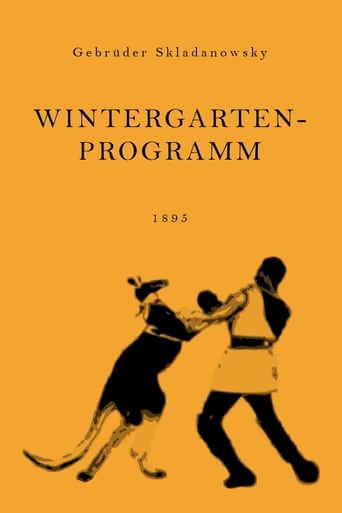
Films
2 films
About Greiner
Greiner was one of the earliest performers in cinema history, appearing in two of the very first films ever exhibited to paying audiences in 1895. This performer was part of the Wintergartenprogramm, presented by the Skladanowsky brothers in Berlin, which marked a pivotal moment in the birth of cinema as entertainment. The films in which Greiner appeared were among the first moving pictures ever shown commercially, predating even the famous Lumière brothers' first public screening in Paris. Like many performers from this embryonic era of filmmaking, Greiner was likely recruited for these brief actuality films due to their physical abilities or striking appearance rather than formal acting training. The performer's participation in 'Ringkämpfer' (Wrestlers) suggests they may have been involved in sports or physical performance, as early cinema often captured demonstrations of physical prowess. Their entire known film only this single year, 1895, making them a true pioneer of the medium before acting in film had developed into a recognized profession. The brevity of their documented career reflects the experimental nature of early cinema, where many performers appeared in only one or two films before the medium evolved into a more structured industry.
The Craft
On Screen
As one of the earliest film performers, Greiner's acting style would have been typical of the actuality film era - natural, unstaged movements captured on film rather than theatrical performance. In wrestling films like Ringkämpfer, the performance would have focused on authentic physical movements rather than dramatic acting, as early cinema valued the novelty of capturing real motion.
Milestones
- Appeared in Wintergartenprogramm (1895), one of the first commercial film exhibitions
- Performed in Ringkämpfer (1895), an early wrestling film
- Participated in the birth of German cinema with the Skladanowsky brothers
Best Known For
Iconic Roles
Must-See Films
Working Relationships
Worked Often With
Studios
Why They Matter
Impact on Culture
Greiner holds a unique place in cinema history as one of the very first performers to appear in films shown to paying audiences. The Wintergartenprogramm in which they appeared was a landmark event that helped establish cinema as a commercial entertainment medium. While their individual contribution may seem minor by modern standards, their participation represents the crucial transition from scientific curiosity to popular entertainment that defined cinema's earliest days. The films they appeared in, particularly Ringkämpfer, were among the first to capture human movement on film, contributing to the visual language that would evolve into cinematic storytelling.
Lasting Legacy
Greiner's legacy is that of a cinema pioneer - one of the first people ever captured on moving film for public exhibition. While their name may be obscure to modern audiences, they represent the birth of film performance itself. Their work with the Skladanowsky brothers helped establish German cinema's foundations and demonstrated early film's potential as entertainment. The brevity of their documented career exemplifies how cinema began as an experimental medium before evolving into the structured industry it would become. As one of the first performers in one of the first commercial film programs, Greiner is part of cinema's foundational history.
Who They Inspired
As an early performer, Greiner's direct influence on later actors is difficult to trace, but their participation in the first commercial film exhibitions helped establish the very concept of film performance. The actuality style of performance they exemplified - natural movement captured rather than theatrical acting - influenced early cinema's documentary approach. Their work in physical demonstration films like Ringkämpfer helped establish action and physical performance as key elements of cinema entertainment that would evolve into modern action cinema and stunt performance.
Off Screen
Very little is known about Greiner's personal life, which is typical for performers from the earliest days of cinema. As someone who appeared in only two films in 1895, they were likely not a professional actor in the modern sense but rather someone recruited for a specific physical demonstration or performance. The lack of biographical information reflects how early film performers were often anonymous figures who participated in cinema's birth before it became a structured industry with documented careers.
Did You Know?
- Appeared in films made using the Bioscop projector, one of the first film projection systems
- Participated in what is considered one of the first film exhibitions for paying audiences
- The Wintergartenprogramm was shown in Berlin before the famous Lumière brothers' first screening in Paris
- Ringkämpfer was one of the first sports films ever made
- The films Greiner appeared in were likely only a few seconds to a minute long
- Early film performers like Greiner were often not credited by full name in the films themselves
- The Skladanowsky brothers' films were shot on 35mm film using a unique double-frame system
- Wintergartenprogramm consisted of eight short films shown in sequence
- Early cinema performers were often recruited from vaudeville, circus, or athletic backgrounds
- The films were silent, as synchronized sound technology wouldn't be developed for decades
Frequently Asked Questions
Who was Greiner?
Greiner was one of the earliest film performers in cinema history, appearing in two German films from 1895: Wintergartenprogramm and Ringkämpfer. They were part of the Skladanowsky brothers' film exhibitions, which were among the first commercial film presentations to paying audiences.
What films is Greiner best known for?
Titles linked here include Wintergartenprogramm (1895), Ringkämpfer (1895).
When was Greiner born and when did they die?
Specific birth and death dates for Greiner are not documented in historical records, which is typical for performers from cinema's earliest days. Their entire known film career was confined to the year 1895.
What awards did Greiner win?
Greiner did not receive any formal awards or recognition, as the film industry and award systems had not yet been established in 1895. Their significance lies in their role in cinema's birth rather than any formal accolades.
What was Greiner's acting style?
Greiner's performance style was typical of early actuality films - natural, unstaged movements rather than theatrical acting. In Ringkämpfer, they would have demonstrated authentic wrestling movements, as early cinema valued capturing real motion and physical abilities.
Why is Greiner important to film history?
Greiner represents the birth of film performance itself, being one of the first people ever captured on film for public exhibition. Their participation in the Wintergartenprogramm helped establish cinema as commercial entertainment and laid groundwork for the entire film industry.