Keys: Space play/pause · ←/→ 10s · F fullscreen · M mute · </> speed
Plot
This early documentary short film captures the manual labor involved in unloading cargo from a ship at port. Workers are shown moving goods from the vessel onto the dock, demonstrating the industrial processes of late 19th-century maritime trade. The camera remains stationary, providing a straightforward observational view of this everyday working scene. The film serves as a time capsule of dockside labor practices before mechanization transformed the shipping industry. It represents the Lumière company's interest in documenting real-world activities and industrial processes during cinema's infancy.
Director
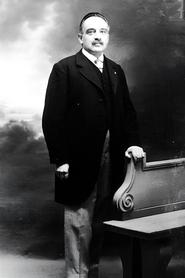 Alexandre Promio
About the Production
Release Date 1896
Production Société Lumière
Filmed In Marseille, France
Filmed using the Lumière Cinématographe, a device that served as both camera and projector. Alexandre Promio was one of the Lumière brothers' most talented operators, known for his compositional skills and ability to capture compelling real-life scenes. The film was likely shot in a single take with a fixed camera position, typical of Lumière actuality films. The unloading process would have been filmed as it naturally occurred, without any staging or direction of the workers.
You Might Also Like

More Documentary Films
View all →


More from Alexandre Promio
View all →
New York, Brooklyn Bridge
1899
Panorama of the Grand Canal Taken from a Boat
1896
Leaving Jerusalem by Railway
1897
Une bataille dans le vieux Stockholm
1897
Danse au bivouac
1896
Constantinople, panorama des rives du Bosphore
1897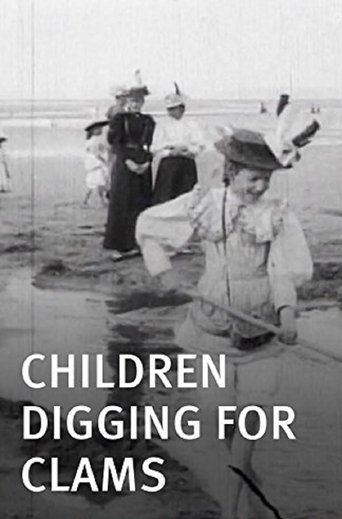
Children Digging for Clams
1896
New York: Broadway at Union Square
1896
Themes & Topics
shipdockunloadingworkerscargomaritimelaborindustrialdocumentationactuality
Historical Background
1896 was just the second year of commercial cinema, following the Lumière brothers' first public screening in December 1895. This period saw rapid expansion of film production and exhibition worldwide. France was the center of early cinematic innovation, with the Lumière company leading in actuality films while Georges Méliès was pioneering fantasy films. Industrialization was transforming European society, and films like this documented the changing world of work. The maritime industry in Marseille was crucial to French commerce, making this subject particularly relevant to contemporary audiences. Cinema itself was seen as a technological marvel, part of the broader spirit of innovation and progress that characterized the fin de siècle era.
Why This Film Matters
This film represents a crucial moment in the development of documentary cinema and the moving image as a tool for recording reality. It exemplifies the Lumière philosophy of 'nature caught in the act,' capturing authentic moments of life without artifice. Such films helped establish cinema's unique ability to preserve time and place, creating visual records of vanished ways of life. The film also demonstrates early cinema's fascination with modern industry and technology, reflecting contemporary society's interest in progress and mechanization. As one of the earliest films showing industrial labor, it provides invaluable documentation of 19th-century working conditions and maritime practices that would soon disappear with increasing mechanization.
Making Of
Alexandre Promio was dispatched by the Lumière brothers to film scenes of industrial and everyday life across France and beyond. For this film, he would have arrived at the Marseille docks with the portable Cinématographe device, which weighed only about 5 kilograms. He would have set up his camera on a tripod to capture the unloading process, choosing an angle that showed both the ship and the dock activity. The workers likely continued their labor with minimal awareness of being filmed, as motion pictures were still a novelty. Promio had to carefully time his cranking of the camera to maintain steady speed and exposure. The entire process from setup to filming would have been done quickly, as early film reels could only hold about 50 seconds of footage.
What Critics Said
Contemporary reception of such actuality films was generally enthusiastic, with audiences marveling at the ability to see moving images of real places and activities. Critics and viewers of the time praised these films for their realism and educational value. Modern film historians recognize 'Déchargement d'un navire' as an important example of early documentary practice and Lumière's contribution to establishing cinema as a medium for reality-based representation. The film is studied today for its compositional qualities and its role in the development of documentary film language.
Did You Know?
- Alexandre Promio was one of the first filmmakers to use panning shots, though this particular film uses a fixed camera
- The Lumière company sent Promio to various locations to document life and industry, making him one of cinema's first travel filmmakers
- This film was part of the Lumière catalog of actuality films that were shown worldwide
- Early films like this were often called 'living photographs' as they extended the photographic tradition into motion
- The dockworkers in the film were real laborers, not actors, going about their normal work routine
- Such industrial scenes were popular with early audiences as they showed aspects of modern life they might never see in person
- The film survives today and is preserved in film archives, making it accessible to modern viewers
- Promio later became head of the Lumière film service and trained many early cinematographers
- This type of actuality film helped establish documentary as one of cinema's earliest genres
- The film was likely hand-cranked at about 16 frames per second, the standard speed of the era
More film details Visual style, music, quotes, restoration, and more
Visual Style
The film employs a fixed camera position typical of early Lumière productions, creating a straightforward observational perspective. The composition likely follows classical principles with the ship and dock arranged to create visual balance. The black and white imagery would have high contrast due to the orthochromatic film stock of the era, which was most sensitive to blue light. The camera would have been hand-cranked, potentially resulting in slight variations in speed. The framing captures both the mechanical aspects of the unloading process and the human labor involved, creating a document of industrial activity.
Innovations
The film represents the technical achievement of portable location filming using the Lumière Cinématographe, which was remarkably compact for its time. The ability to capture outdoor scenes with natural lighting demonstrated the flexibility of early film equipment. The survival of this 1896 film is itself a technical achievement, given the fragile nature of early nitrate film stock. The film showcases the early mastery of exposure and composition in challenging outdoor conditions, demonstrating the technical proficiency of Lumière operators like Promio.
Music
This film was produced during the silent era and would have been originally exhibited without synchronized sound. During early cinema exhibitions, musical accompaniment was typically provided live by pianists, organists, or small ensembles who would improvise or play appropriate music. For an industrial scene like this, the accompaniment might have been a steady rhythmic piece or popular tunes of the period. Some venues might have used sound effects created by live performers to enhance the viewing experience.
Memorable Scenes
- The entire 45-second film consists of one continuous shot showing dockworkers methodically unloading cargo from a ship, creating a timeless document of maritime labor in the late 19th century
What Audiences Thought
Early audiences were fascinated by actuality films like this one, which offered glimpses of places and activities they might never otherwise see. The novelty of seeing moving images of real people at work was a major attraction. These films were typically shown as part of mixed programs that included multiple short subjects, and industrial scenes like ship unloading were popular for their depiction of modern life and work. The straightforward, unembellished nature of such films appealed to viewers' curiosity about the world around them.
Film Connections
Influenced By
- Lumière brothers' philosophy of actuality filmmaking
- Early documentary traditions
- Photographic documentation of industry
This Film Influenced
- Other Lumière actuality films
- Early documentary shorts
- Industrial films of the 1900s
- Workplace documentaries
Film Restoration
The film is preserved and available through film archives. It has been digitized and is accessible through various film history resources and archives, including the Institut Lumière in Lyon, France. The survival of this 1896 film is remarkable given the fragile nature of early nitrate film stock.
Where to Watch
- YouTube (through various film history channels)
- Internet Archive
- Institut Lumière collections
- Film history educational platforms
- Museum of Modern Art film collection
- British Film Institute archives