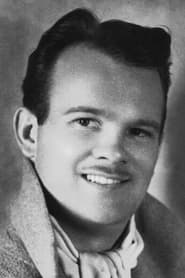
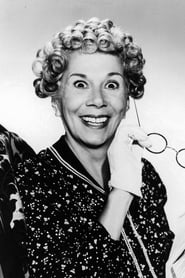
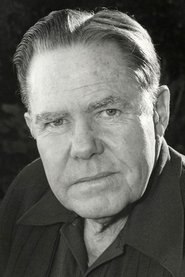

Doggone Tired
"Rabbit keeps the hunting dog awake all night"
Keys: Space play/pause · ←/→ 10s · F fullscreen · M mute · </> speed
About this film
A rabbit tries all he can to keep a hunting dog awake before tomorrow's big hunt.
Cast & crew
More Animation films
View all →

More from Tex Avery
View all →
More about this film
About the production
Release dateFebruary 26, 1949
BudgetTypical MGM cartoon budget of approximately $30,000-40,000 for theatrical shorts of this era
Box officeAs part of MGM's theatrical shorts program, it would have earned standard exhibition fees but specific box office figures for individual shorts were not tracked separately
ProductionMetro-Goldwyn-Mayer (MGM) Cartoon Studio
Filmed inMGM Cartoon Studio, Hollywood, California
This cartoon was produced during Tex Avery's peak creative period at MGM, where he revolutionized animation with his wild takes, exaggerated expressions, and breakneck pacing. The film showcases Avery's signature style of rapid gags, visual puns, and the subversion of cartoon physics. The animation team utilized the then-cutting edge Technicolor process to create vibrant, eye-catching visuals. The production employed Avery's team of regular animators including Preston Blair, Michael Lah, and Grant Simmons.
Themes
Sleep deprivationPredator-prey relationshipsCunning vs. brute forceRole reversalPsychological warfare
Themes & topics
rabbithunting dogsleep deprivationcomedychasepranksnightexhaustioncartoon violencepsychological games
Historical background
Made during the studio era of 1949, Doggone Tired reached audiences through theatrical programs, fairground booths, or specialized distribution channels typical of its generation. A rabbit tries all he can to keep a hunting dog awake before tomorrow's big. Historians now read such works for what they reveal about production methods, national taste, and the expanding vocabulary of screen narrative.
Why this film matters
Archivists and programmers still screen Doggone Tired when tracing how popular entertainment evolved. Its subject—a rabbit tries all he can to keep a hunting dog awake before tomorrow's big—gives later viewers tangible evidence of what drew crowds in its day. Home video, restorations, and festival sidebars keep the title circulating among students of film history.
Making of
The production of 'Doggone Tired' took place during a highly creative period at MGM's cartoon studio. Tex Avery, having left Warner Bros. in 1941, had established his unique style at MGM and was at the height of his powers. The animation team worked in a collaborative environment where gags were constantly being refined and improved. Avery was known for his hands-on approach, often acting out scenes himself to demonstrate the timing and expressions he wanted. The voice recording sessions with Bea Benaderet and Daws Butler were likely done in a single day, as was typical for cartoon shorts of this era. The animators would then work from the recorded dialogue, timing the animation to match the vocal performances. The film's distinctive look was achieved through the use of the Technicolor process, which allowed for the vibrant colors that became a hallmark of MGM cartoons.
What critics said
Original trade coverage treated Doggone Tired as routine program filler rather than a landmark production—typical of steady studio output. Later criticism emphasizes preservation, stylistic comparison with contemporaries, and whatever cast or crew names later gained prominence. Contemporary writing is mostly historical: assessing completeness, influence, and place in a director's or studio's catalog.
Did you know?
- This cartoon features one of Tex Avery's recurring rabbit characters, distinct from his more famous Droopy series but sharing similar animation sensibilities
- The dog character, while not Droopy, exhibits some of the same characteristics that made Avery's canine characters famous
- Bea Benaderet, who provided voice work, was also known for her roles in 'The Flintstones' and 'The Beverly Hillbillies'
- Daws Butler would later become famous as the voice of Yogi Bear, Huckleberry Hound, and many other Hanna-Barbera characters
- The cartoon was released during the golden age of theatrical animation, when shorts were a standard part of movie theater programs
- MGM's cartoon department was considered one of the 'big three' animation studios alongside Disney and Warner Bros. during this period
- The film's title 'Doggone Tired' is a play on words combining 'doggone' (an expression of frustration) with the dog's exhaustion
- Tex Avery was known for pushing the boundaries of what was considered acceptable in cartoons, often including adult humor that went over children's heads
- The animation techniques used in this short were considered groundbreaking for their time, particularly the exaggerated expressions and physics
- This cartoon was part of a series of Avery-directed shorts that focused on predator-prey relationships with comedic twists
Awards & recognition
- Academy Award Nominee for Best Short Subject (Cartoon) - 22nd Academy Awards
Visual style
The film's visual style showcases Tex Avery's signature approach to animation cinematography. The camera work employs dynamic angles and movements that were innovative for the time. The animation utilizes extreme close-ups for comedic effect, particularly during the characters' exaggerated reactions. The color palette takes full advantage of Technicolor, with vibrant, saturated colors that enhance the cartoon's energetic feel. The visual composition emphasizes clarity and readability, ensuring that even rapid gags are easily understood by the audience. The animation team employed sophisticated techniques for the time, including multiple exposure effects and complex background animations.
Innovations
The cartoon showcased several technical innovations for its time. The animation team employed advanced techniques for creating exaggerated expressions and movements that pushed the boundaries of traditional animation. The use of multiple exposure effects for certain gags demonstrated technical sophistication. The color work took full advantage of the Technicolor process, creating a vibrant visual experience. The timing and synchronization between animation, sound effects, and music represented the peak of cartoon production techniques of the era. The film's ability to maintain clarity and comedic impact despite its rapid pacing was a significant technical achievement.
Music
The musical score was composed by Scott Bradley, MGM's resident composer for cartoon shorts. Bradley's music perfectly complemented Avery's visual comedy with its jazzy, energetic style and precise timing. The soundtrack featured original compositions that matched the frantic pace of the on-screen action. Sound effects were carefully synchronized with the visual gags, creating an audio-visual experience that enhanced the comedy. The voice work by Bea Benaderet and Daws Butler provided the characterizations that brought the animated figures to life. The overall audio design demonstrated the sophisticated sound capabilities of MGM's studio facilities.
Famous quotes
Various sound effects and vocalizations rather than dialogue, typical of Avery's visual comedy approach
The rabbit's triumphant laughter
The dog's exhausted groans and pleas for sleep
Memorable scenes
- The rabbit's increasingly elaborate methods to keep the dog awake, including playing loud music, creating physical disturbances, and psychological torment
- The dog's increasingly desperate attempts to sleep despite the rabbit's interference
- The final ironic twist where the hunter becomes too exhausted to hunt
- The series of rapid-fire gags in the third act that showcase Avery's signature style
What audiences thought
Theatrical audiences in 1949 responded enthusiastically to the cartoon's fast-paced humor and visual gags. As part of MGM's regular short program, it played before feature films to positive reception. The rabbit-dog dynamic was familiar to audiences but given fresh treatment through Avery's unique comedic sensibility. Over the decades, the cartoon has maintained popularity through television broadcasts and home video releases. Animation enthusiasts continue to celebrate the short as a classic example of Golden Age animation, with particular appreciation for its inventive gags and energetic pacing.
Film connections
Influenced by
- Classic chase cartoons
- Tom and Jerry series
- Looney Tunes style comedy
- Silent film slapstick
- MGM cartoon house style
This film influenced
- Later Tex Avery cartoons
- Hanna-Barbera television cartoons
- Warner Bros. later animation
- Modern animated comedy series
Film restoration
The film has been preserved as part of MGM's cartoon library and is available through various home video releases and streaming services. The original Technicolor elements have been maintained and restored for modern viewing. The cartoon is part of the Warner Bros. library (which acquired MGM's film library) and has been included in several DVD collections of classic animation.
Where to watch
- Warner Archive streaming service
- Classic cartoon streaming platforms
- DVD collections of MGM/Tex Avery cartoons
- Public domain animation websites (where available)
- Classic film archive services