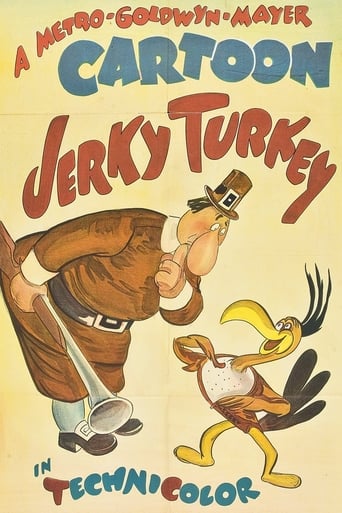
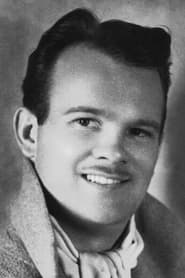
Tex Avery
Actor & Director
Born: February 26, 1908 in Taylor, Texas, USA Died: August 26, 1980 Active: 1930-1955 Birth Name: Frederick Bean Avery
Films
5 films
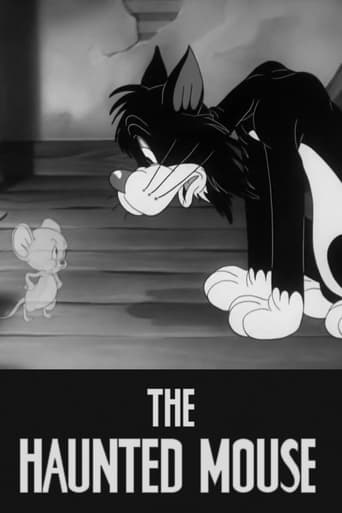
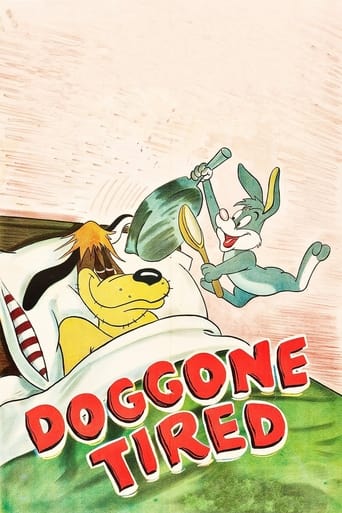
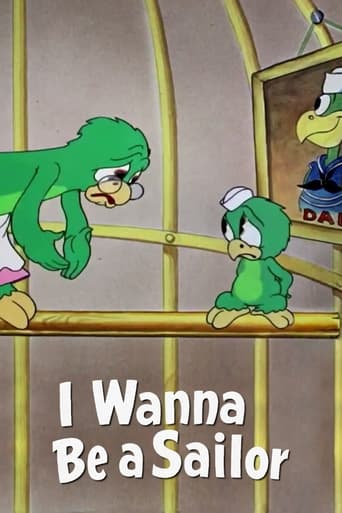
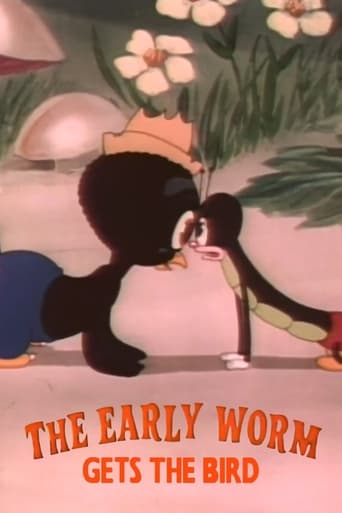
About Tex Avery
Frederick Bean 'Tex' Avery — revolutionary American animator and director who transformed the landscape of animation during the Golden Age of Hollywood. Born in Texas and raised in California, Avery began his career in the early 1930s at the Walter Lantz studio before moving to Warner Bros. In 1935, where he helped create the Looney Tunes style that would become. At Warner Bros., he directed the first appearances of characters including Bugs Bunny, Daffy Duck, and Porky Pig, establishing the fast-paced, gag-driven style that defined the studio. In 1941, Avery moved to MGM where he created his most famous original characters, including Droopy Dog and Screwy Squirrel, and produced some of animation's most celebrated shorts like 'Red Hot Riding Hood.' His work was characterized by extreme exaggeration, surreal sight gags, and a willingness to break the fourth wall that was decades ahead of its time. After leaving MGM in 1954, Avery worked briefly for Walter Lantz again before retiring from animation, though his influence continued to shape the medium for generations. Avery died in 1980, leaving behind a legacy of innovation that animators and comedians today.
The Craft
Behind the Camera
Tex Avery's directing style was characterized by extreme exaggeration, rapid pacing, and surreal sight gags that pushed the boundaries of cartoon physics. He pioneered techniques like wild takes, where characters' bodies would stretch, squash, and transform in impossible ways, and frequently broke the fourth wall by having characters acknowledge the audience or interact with the film itself. His comedy relied on visual gags over dialogue, with meticulously timed animations that created maximum comedic impact. Avery's work was known for its adult humor, risqué innuendo, and willingness to parody cultural norms, making his cartoons appeal to both children and adults.
Milestones
- Created Bugs Bunny's personality and catchphrase 'What's up, Doc?'
- Directed the first Daffy Duck cartoon 'Porky's Duck Hunt' (1937)
- Developed the Looney Tunes style at Warner Bros.
- Created Droopy Dog at MGM
- Directed 'Red Hot Riding Hood' (1943), one of animation's most influential shorts
- Pioneered surreal animation techniques and extreme cartoon physics
- Mentored numerous animators who became industry leaders
Best Known For
Iconic Roles
Must-See Films
Accolades
Won
- Academy Award Nominee for Best Short Subject (Cartoon) - 'The Blowout' (1936)
- Winsor McCay Award (1974)
- Annie Award for Lifetime Achievement (posthumous)
Nominated
- Academy Award for Best Short Subject (Cartoon) - 'The Blowout' (1936)
- Academy Award for Best Short Subject (Cartoon) - 'Little Rural Riding Hood' (1949)
Special Recognition
- Hollywood Walk of Fame Star (1992)
- Walt Disney Legends Award (posthumous)
- Inducted into the Animation Hall of Fame
Working Relationships
Worked Often With
Studios
Why They Matter
Impact on Culture
Tex Avery revolutionized animation by introducing a level of surrealism and adult humor that was unprecedented in the medium. His work at Warner Bros. Essentially created the template for modern cartoon comedy, influencing everything from The Simpsons to Family Guy. The extreme visual gags and breaking of the fourth wall that he pioneered became standard techniques in animation and comedy. Avery's characters, particularly Bugs Bunny and Droopy, became cultural icons that represented American wit and ingenuity during World War II and beyond. His cartoons were among the first to appeal to adults as much as children, paving the way for more sophisticated animation in later decades.
Lasting Legacy
Tex Avery's legacy is immeasurable in the world of animation and comedy. He is credited with creating the fast-paced, gag-driven style that defined Golden Age animation and continues to influence creators today. His characters have endured for decades, with Bugs Bunny becoming. The techniques he developed, from wild takes to surreal sight gags, became fundamental vocabulary for animators. Avery's work has been preserved in the Library of Congress and studied by generations of animation students. His influence extends beyond animation into live-action comedy, with directors like the Zucker brothers and Mel Brooks citing his work as inspiration.
Who They Inspired
Tex Avery directly influenced the entire Golden Age of animation, mentoring and inspiring animators who would become legends themselves. Chuck Jones, Friz Freleng, and Bob Clampett all worked under Avery at Warner Bros. And incorporated his techniques into their own styles. His work influenced later animation pioneers including Hanna-Barbera, Jay Ward, and Ralph Bakshi. In modern times, creators like Matt Groening (The Simpsons), Seth MacFarlane (Family Guy), and John Kricfalusi (Ren & Stimpy) have all cited Avery as a major influence. His approach to comedy and visual storytelling has influenced not just animation but also advertising, music videos, and even video games.
Off Screen
Tex Avery married his wife Elizabeth in 1935, and they remained together until his death. The couple had one daughter, Nancy. Avery was known for his quiet, unassuming personality in contrast to the wild energy of his cartoons. He was a private individual who rarely gave interviews and preferred to let his work speak for itself. Despite his success, Avery struggled with alcoholism later in life, which contributed to his declining health in his final years.
Education
Attended North Dallas High School; took art classes at the Art Institute of Chicago
Family
- Elizabeth Avery (1935-1980)
Did You Know?
- Got his nickname 'Tex' because he was born in Texas
- Originally wanted to be a newspaper cartoonist
- Created Bugs Bunny's carrot-chewing habit as a parody of Clark Gable in 'It Happened One Night'
- His cartoon 'Red Hot Riding Hood' was so controversial it was banned in several countries
- Often included his own likeness as a background character in his cartoons
- The phrase 'Avery' appears as a hidden signature in many of his cartoons
- His work was heavily censored in later television broadcasts due to ethnic stereotypes and adult humor
- MGM initially rejected his style as too wild for their more refined animation department
- He once estimated he directed over 250 cartoons during his career
- His influence is credited with helping Warner Bros. Cartoons win more Academy Awards than Disney in the 1940s
In Their Own Words
I only made cartoons to entertain myself and my crew. If the public liked them, fine. If they didn't, that was fine too.
The secret to comedy is timing. The secret to animation is exaggeration. The secret to my cartoons is both.
I never made cartoons for children. I made them for myself and other adults who hadn't lost their sense of humor.
If you can make people laugh, you can make them do anything.
Animation should not be confined by reality. That's what live-action is for.
Frequently Asked Questions
Who was Tex Avery?
American animator and on YTB.my. He created iconic characters like Bugs Bunny, Daffy Duck, and Droopy Dog, and developed the fast-paced, gag-driven style that defined Warner Bros. And MGM cartoons.
What films is Tex Avery best known for?
Titles linked here include Red Hot Riding Hood (1943), Dumb-Hounded (1943).
When was Tex Avery born and when did he die?
Born February 26, 1908; died August 26, 1980.
What awards did Tex Avery win?
Tex Avery received the Winsor McCay Award in 1974 for lifetime achievement in animation and was nominated for two Academy Awards for Best Short Subject. He was posthumously awarded the Annie Award for Lifetime Achievement and has a star on the Hollywood Walk of Fame.
What was Tex Avery's directing style?
Avery's directing style was characterized by extreme exaggeration, surreal sight gags, rapid pacing, and breaking the fourth wall. He pioneered techniques like wild takes and impossible cartoon physics, creating comedy that appealed to both children and adults with its sophisticated humor and visual innovation.