

I Wanna Be a Sailor
"I Wanna Be a Sailor (1937)"
Keys: Space play/pause · ←/→ 10s · F fullscreen · M mute · </> speed
About this film
Momma parrot is teaching her young-uns to say "Polly want a cracker" but little Peter doesn't want a cracker, he wants to be a sailor like dad. Mom tells him what a no-account his dad really was, setting sail for Hawaii ("no, Maw, it was Catalina") right after the kids were born. Peter is unswayed, and takes off. He turns a barrel into a boat, and crews it with an annoyingly talkative duckling, then sets sail on a lake. They get caught in a thunderstorm (the duck loves it). Peter calls for help and momma comes running, but the duck has already saved him. But he still wants to be a sailor.
Cast & crew
More Comedy films
View all →






More from Tex Avery
View all →
More about this film
About the production
Release dateJanuary 30, 1937
ProductionLeon Schlesinger Productions, Warner Bros. Pictures
Filmed inHollywood, California
This was one of Tex Avery's early directorial efforts at Warner Bros., showcasing his developing signature style of rapid gags and exaggerated character animations. The cartoon was produced during the golden age of theatrical animation when studios were experimenting with more sophisticated storytelling techniques. The animation team utilized the then-innovative process of Technicolor, which Warner Bros. had recently adopted for their Merrie Melodies series starting in 1934.
Themes
Determination and perseveranceComing of ageParent-child relationshipsAdventure and explorationFollowing one's dreams
Themes & topics
Historical background
Contemporary records classify I Wanna Be a Sailor (1937) as 1937 film by fred avery, placing it within the studio-system peak and early sound decades.
Why this film matters
I Wanna Be a Sailor (1937) helps trace genre evolution, performer careers, and the material conditions of sound exhibition.
Making of
Tex Avery, then a relatively new director at Warner Bros., was still developing his distinctive animation style that would later revolutionize the medium. The production team worked with a tight deadline typical of theatrical shorts, completing the cartoon in approximately 6-8 weeks. The voice recording sessions were notably efficient, with Mel Blanc able to perform multiple characters in quick succession. The storm sequence required extensive planning and storyboarding to achieve the dramatic effects while maintaining the cartoon's comedic tone. The animation team experimented with new techniques for water effects and weather animation, pushing the boundaries of what was possible in short-form animation.
What critics said
Modern write-ups on I Wanna Be a Sailor (1937) tend to focus on preservation status, stylistic choices, and placement within director or studio filmographies.
Did you know?
- This was one of Tex Avery's earliest directorial works at Warner Bros., where he would later create iconic characters like Bugs Bunny and Daffy Duck
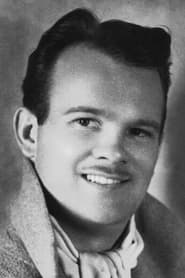
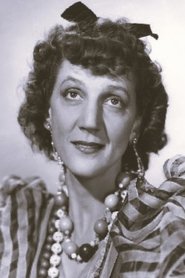
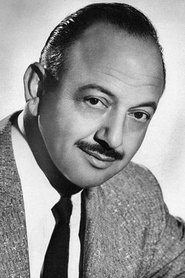
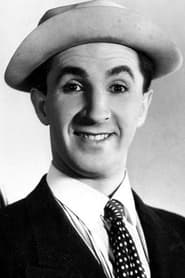
- The cartoon features the voice talents of three animation legends: Mel Blanc, Billy Bletcher, and Elvia Allman
- The duckling character's incessant talking was an early example of Avery's use of annoying side characters for comic effect
- The storm sequence features some of the most ambitious animation effects in the short, showcasing the technical prowess of the Warner Bros. animation team
- This cartoon was released during the same year as Disney's 'Snow White and the Seven Dwarfs,' marking a pivotal year in animation history
- The parrot family design would influence later bird characters in Warner Bros. cartoons
- The barrel boat concept was reused in various forms in later cartoons from different studios
- The cartoon's theme of children defying parental warnings was a common trope in 1930s animation
- This was part of the Merrie Melodies series, which originally focused on musical numbers but had evolved to include more varied storytelling
- The animation was supervised by Isadore 'Friz' Freleng, who would later become a director himself
Visual style
The cartoon utilized the three-strip Technicolor process, which Warner Bros. had recently adopted for their Merrie Melodies series. The animation features vibrant colors and dynamic camera movements for its time, including dramatic angles during the storm sequence. The visual style combines realistic backgrounds with exaggerated character animations, a hallmark of 1930s Warner Bros. animation. The water effects and weather animation demonstrate technical sophistication, with fluid motion and convincing environmental details. The character designs follow the rounded, appealing style popular in the era, with expressive eyes and exaggerated gestures.
Innovations
The cartoon showcases several technical innovations for its time, including advanced water animation techniques during the storm sequence. The three-strip Technicolor process allowed for more vibrant and detailed coloring than earlier two-strip processes. The animation team developed new methods for depicting weather effects, particularly rain and lightning, which were challenging to animate convincingly. The synchronization of voice, music, and animation demonstrates the growing sophistication of sound in cartoons. The barrel boat's movement on water required careful animation planning to achieve realistic motion while maintaining the cartoon's stylized aesthetic.
Music
The musical score was composed by Bernard Brown, who was the musical director for many Warner Bros. cartoons of this period. The soundtrack features typical 1930s cartoon music with upbeat, whimsical themes that complement the on-screen action. The sound effects were created using traditional animation studio techniques, including manual foley work and early recording equipment. The voice performances by Mel Blanc, Billy Bletcher, and Elvia Allman demonstrate the era's growing sophistication in voice acting for animation. The duckling's incessant talking is accompanied by musical stings that emphasize the comic timing.
Famous quotes
Polly want a cracker!
I wanna be a sailor!
No, Maw, it was Catalina!
Help! Help! Save me!
Memorable scenes
- The opening sequence where Momma Parrot teaches her babies to say 'Polly want a cracker' and Peter's defiant response, The construction of the barrel boat showing Peter's ingenuity and determination, The dramatic thunderstorm sequence with impressive animation effects and the duckling's enthusiastic reaction, The rescue scene where the talkative duckling proves unexpectedly heroic, The final scene showing Peter's unwavering resolve despite his harrowing experience
What audiences thought
Theatrical audiences of 1937 generally received the cartoon positively as part of the typical movie theater experience, where shorts were shown before feature films. Children particularly enjoyed the adventurous themes and comic characters. The duckling's talkative nature provided comic relief that resonated with family audiences. While not as memorable as some contemporaneous cartoons, it satisfied audiences' expectations for entertaining, colorful animation. Modern audiences viewing the cartoon through retrospectives and classic animation collections appreciate it as a historical artifact showcasing early Warner Bros. animation.
Film connections
Influenced by
- Disney's Silly Symphonies series
- Fleischer Studios' Betty Boop cartoons
- Early Warner Bros. Merrie Melodies
- MGM cartoon shorts
- Vaudeville comedy routines
This film influenced
- Later Tex Avery Warner Bros. cartoons
- Other sailor-themed cartoons
- Warner Bros. character-driven shorts
- Cartoons featuring animal protagonists with human aspirations
Film restoration
The film is preserved in the Warner Bros. film archive and has been digitally restored for home video releases. It survives in good quality considering its age, with color elements intact. The cartoon has been included in various Looney Tunes and Merrie Melodies compilation collections over the years. Warner Bros. maintains the original nitrate negatives in their temperature-controlled vaults. The cartoon entered the public domain in certain regions due to copyright expiration, though Warner Bros. still maintains rights in others.
Where to watch
- Warner Bros. DVD collections of classic cartoons
- Streaming services featuring classic animation
- Public domain archives and websites
- Classic animation specialty channels
- Film archives and museum collections
- Online platforms specializing in vintage cartoons