Films
1 film
About Robert Winkler
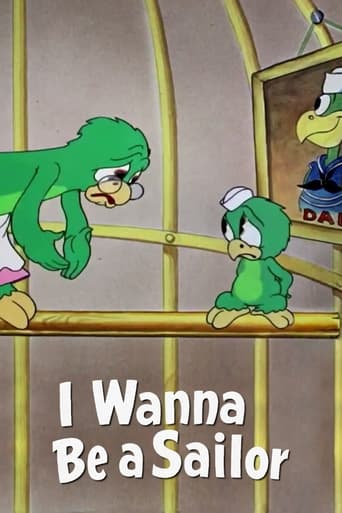
American voice actor who worked briefly during the Golden Age of Hollywood animation. His only known film credit is for the 1937 Warner Bros. Merrie Melodies cartoon 'I Wanna Be a Sailor,' where he provided voice work for one of the characters. This animated short was directed by the Tex Avery and was part of the popular Merrie Melodies series that entertained audiences during the late 1930s. Winkler's career appears to have been extremely brief, with no other recorded film or voice work beyond this single production. Like many voice actors of the era who worked on animated shorts, his contribution was often uncredited and his identity remains largely obscure to film historians. The lack of additional credits suggests he may have been a studio contract player, a radio performer who did occasional voice work, or someone who pursued voice acting only briefly before moving to other endeavors.
The Craft
On Screen
As a voice actor in 1930s animation, Winkler likely employed the exaggerated, theatrical vocal style common to the era, characterized by clear enunciation and expressive delivery suitable for the limited audio technology of the time.
Milestones
- Voice work in Warner Bros. Merrie Melodies cartoon 'I Wanna Be a Sailor' (1937)
Best Known For
Iconic Roles
Must-See Films
Working Relationships
Worked Often With
Studios
Why They Matter
Impact on Culture
Robert Winkler's contribution to cinema, while minimal, represents the often-overlooked legion of voice actors who brought early animated characters to life. During the golden age of Hollywood animation, hundreds of performers provided voices for cartoons, most without credit or recognition. Their work helped establish the foundation for voice acting as an art form that would later become highly celebrated in the entertainment industry. The 1937 Merrie Melodies cartoon he worked on was part of Warner Bros.' innovative animation slate that pushed boundaries in humor and storytelling during the pre-code era.
Lasting Legacy
Robert Winkler's legacy is that of a representative figure from the early days of voice acting in animation. While his name may not be remembered, his contribution to 'I Wanna Be a Sailor' places him among the pioneers of animated voice performance. The film itself survives as an example of Tex Avery's early directorial work and the creative energy of the Warner Bros. Animation studio during its formative years. Winkler exemplifies the countless unsung talents whose collective work created the golden age of American animation.
Who They Inspired
Given the brevity of his documented career, Robert Winkler's direct influence on subsequent performers is difficult to trace. However, as part of the early voice acting community, he contributed to the development of vocal techniques that would later be refined and expanded by more famous voice actors in the animation industry.
Off Screen
Very little is known about Robert Winkler's personal life, as his brief appearance in film history left minimal documentation. Like many minor voice actors of the 1930s animation industry, personal details were not typically preserved in studio records or entertainment publications of the era.
Did You Know?
- Robert Winkler's only known film credit is for a single 1937 animated short
- The cartoon he worked on, 'I Wanna Be a Sailor,' was directed by animation pioneer Tex Avery
- Like most voice actors of the 1930s, his contribution was likely without on-screen billing in the film
- The Merrie Melodies series was Warner Bros.' answer to Disney's Silly Symphonies
- 1937 was a pivotal year for Warner Bros. Animation, as the studio was developing its signature style
- Voice actors in early animation were often radio performers or studio contract players
- The cartoon runs approximately 7 minutes, typical of theatrical animated shorts of the era
- Warner Bros. Animation studio would later create famous characters like Bugs Bunny and Daffy Duck
Frequently Asked Questions
Who was Robert Winkler?
American voice with credits in this catalog. Animated short 'I Wanna Be a Sailor.' His career appears to have been extremely brief, with this single credit representing his entire known filmography.
What films is Robert Winkler best known for?
Titles linked here include I Wanna Be a Sailor (1937).
When was Robert Winkler born and when did he die?
Specific birth and death dates for Robert Winkler are not available in historical records. His only known professional activity was in 1937, making biographical details difficult to verify.
What awards did Robert Winkler win?
There are no recorded awards or nominations for Robert Winkler. As a minor voice actor who worked on a single animated short in 1937, he would not have been eligible for the recognition that later became available to voice performers.
What was Robert Winkler's acting style?
While specific details about his acting style are not documented, as a voice actor in 1930s animation, he likely employed the theatrical, exaggerated vocal delivery typical of the era, designed to work well with the limited audio technology and complement the visual comedy of the cartoon.