Keys: Space play/pause · ←/→ 10s · F fullscreen · M mute · </> speed
Plot
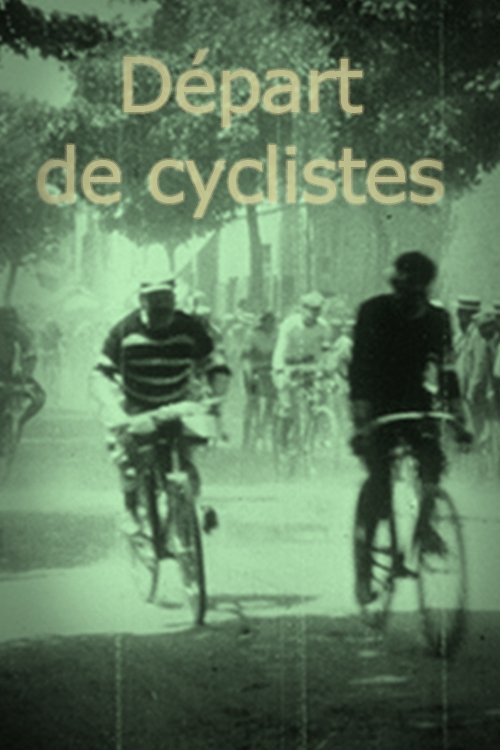
This brief documentary captures the dramatic moment at the starting line of the Lyon-Geneva bicycle race in 1896. The film shows a group of cyclists gathered at the starting point, preparing for their long journey between the two cities. As the race official gives the signal, the cyclists push off and begin their race, their figures gradually receding into the distance. The camera remains stationary, providing a fixed perspective on this historic sporting event. The entire sequence demonstrates the Lumière brothers' interest in capturing real-life moments and contemporary events as they unfolded.
Director
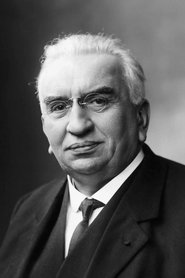 Louis Lumière
About the Production
Release Date 1896
Budget Not documented (early films had minimal production costs)
Box Office Not documented (early cinema operated differently than modern box office)
Production Société Lumière
Filmed In Lyon, France
Filmed using the Lumière brothers' Cinématographe device, which served as both camera and projector. The film was shot on 35mm film with a 1.33:1 aspect ratio. Like most Lumière productions, it was filmed in a single continuous take without any editing. The camera was positioned to capture the entire starting line and the initial moments of the race as cyclists moved away from the camera.


Themes & Topics
Historical Background
This film was created during the birth of cinema, just one year after the Lumière brothers' legendary first public screening at the Grand Café in Paris on December 28, 1895. 1896 was a pivotal year when motion pictures transitioned from technological curiosity to emerging art form. The bicycle was experiencing its first golden age in the 1890s, with cycling becoming both a popular sport and practical transportation. Lyon, where the film was made, was not only home to the Lumière factory but also a major center for bicycle manufacturing. The film captures the intersection of two revolutionary technologies of the era: the bicycle and motion pictures. This period also saw the rise of modern sports as organized competitions with standardized rules and professional athletes.
Why This Film Matters
As one of the earliest sports documentaries, 'Départ de cyclistes' established a template for capturing athletic events on film that continues to this day. The film represents the Lumière brothers' philosophy of documenting contemporary life, creating a visual record of late 19th-century culture. It demonstrates how early cinema immediately recognized the appeal of sports as subject matter, anticipating the massive sports media industry that would develop in the following century. The film also serves as an important historical document of bicycle racing's early days, preserving the appearance of period bicycles, racing attire, and crowd behavior. This and other Lumière 'actualities' helped establish documentary film as a legitimate cinematic genre.
Making Of
The film was shot by Louis Lumière himself using the revolutionary Cinématographe, which he and his brother Auguste had patented the previous year. The camera was hand-cranked, requiring careful operation to maintain consistent speed. The Lumière brothers often positioned their cameras at elevated positions to capture better views of events, and this film likely required some planning to secure the optimal vantage point for the race start. The filming would have been done in a single take, as editing technology did not exist yet. The presence of the camera and its operator would have been novel to the race participants and spectators, many of whom had never seen motion picture equipment before.
What Critics Said
Contemporary reception of Lumière films was generally one of astonishment and wonder, with audiences marveling at the technology itself rather than critiquing artistic merit. Critics and viewers of the 1890s were particularly impressed by films showing movement and depth, with 'Départ de cyclistes' being noted for its dynamic composition as cyclists moved away from the camera. Modern film historians and critics recognize this film as an important example of early documentary practice and the Lumière brothers' contribution to establishing cinema as a medium for capturing reality. The film is often cited in scholarly works about the origins of sports broadcasting and documentary film.
Did You Know?
- This film is one of the earliest sports documentaries ever made, capturing a real bicycle race rather than staging one for the camera
- The Lyon-Geneva bicycle race was a significant sporting event in the 1890s, covering approximately 150 kilometers
- Louis Lumière personally operated the camera for many of his early films, including this one
- The film was part of the Lumière brothers' first catalog of films, which contained only about 50 titles in 1896
- Bicycle racing was extremely popular in the 1890s, often drawing larger crowds than horse racing
- This film demonstrates the Lumière philosophy of 'actualities' - capturing real events rather than creating fictional narratives
- The cyclists shown were professional racers of the era, competing for substantial prize money
- The film was likely screened as part of Lumière programs that included 10-15 short films shown in succession
- Early audiences were particularly fascinated by films showing movement away from the camera, creating a sense of depth
- The Lyon-Geneva route was one of the earliest international bicycle races, reflecting the growing popularity of cycling across Europe
More film details Visual style, music, quotes, restoration, and more
Visual Style
The film employs the characteristic Lumière style of static camera positioning, creating a naturalistic perspective that mimics human observation. The composition captures the entire starting line and allows viewers to follow the cyclists as they move away from the camera, creating a sense of depth and perspective. The black and white imagery provides strong contrast, making the cyclists and their equipment clearly visible. The single continuous take demonstrates the technical limitations and aesthetic choices of early cinema, where the camera served as an unobtrusive observer rather than an active participant in the action. The framing suggests careful planning to capture both the human element and the scale of the event.
Innovations
This film showcases the technical innovation of the Cinématographe, which was lighter and more portable than competing devices like Edison's Kinetoscope. The camera's ability to capture clear images of moving subjects demonstrated the sophistication of the Lumière design. The film's preservation of motion at 16 frames per second (the standard for early cinema) represented a significant achievement in capturing realistic movement. The single-take approach, while technically necessary due to the lack of editing equipment, created an aesthetic of continuous observation that would influence documentary filmmaking for decades.
Music
Like all films of 1896, this was a silent production. When originally shown, it would have been accompanied by live music, typically a pianist or small ensemble playing popular tunes of the era. The musical accompaniment was chosen by individual exhibitors rather than being part of the film itself, and could range from classical pieces to contemporary popular songs depending on the venue and audience expectations.
Memorable Scenes
- The dramatic moment when the race official signals the start and dozens of cyclists simultaneously push off, their wheels spinning as they begin to move away from the camera, creating a mesmerizing pattern of motion that demonstrates the revolutionary ability of cinema to capture and preserve real events.
What Audiences Thought
Early audiences reacted with excitement to films showing real events, and sports films like 'Départ de cyclistes' were particularly popular. Viewers were fascinated by the lifelike reproduction of motion and the ability to see an actual race they might have missed or wanted to experience again. The film would have been part of variety programs shown at fairgrounds, music halls, and dedicated cinematograph theaters. Contemporary accounts suggest that audiences often tried to interact with the films, with some reportedly ducking as objects appeared to move toward them on screen. The novelty of seeing familiar activities captured on film created a sensation that helped drive the rapid expansion of cinema in the late 1890s.
Film Connections
Influenced By
- Étienne-Jules Marey's chronophotography
- Eadweard Muybridge's motion studies
- Thomas Edison's Kinetoscope films
This Film Influenced
- The Kiss (1896)
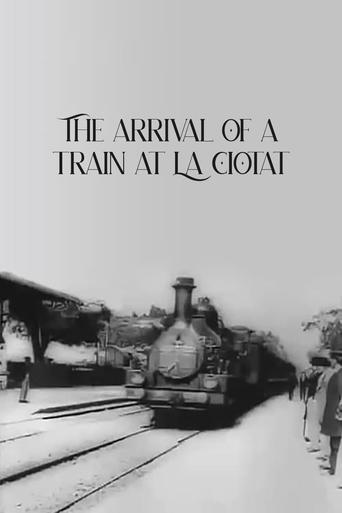
- Arrival of a Train at La Ciotat (1895)
- Workers Leaving the Lumière Factory (1895)
- The Sprinkler Sprinkled (1895)
Film Restoration
The film is preserved and archived at the Institut Lumière in Lyon, France. Digital copies have been made and are maintained by various film archives worldwide. The original nitrate film stock has been carefully preserved or transferred to safety film to prevent deterioration.
Where to Watch
- YouTube (various archive channels)
- Institut Lumière website and archives
- Museum of Modern Art (MoMA) film collection
- British Film Institute (BFI) Player
- Criterion Channel (special collections of early cinema)
- Various educational film archives and university collections