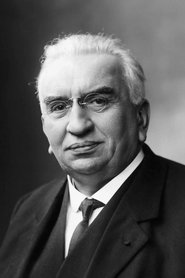
Louis Lumière
Director
Born: October 5, 1864 in Besançon, France Died: June 6, 1948 Active: 1895-1900 Birth Name: Louis Jean Lumière
Films
49 films
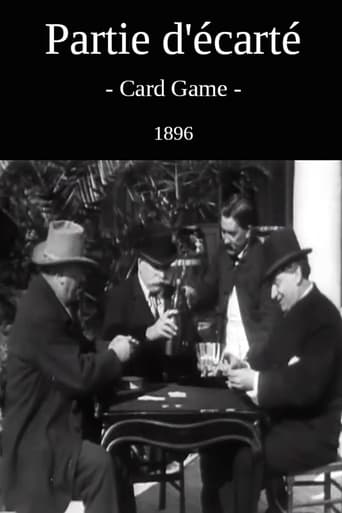
The Card Game
1896
The Sprinkler Sprinkled
1895
Baby's Meal
1895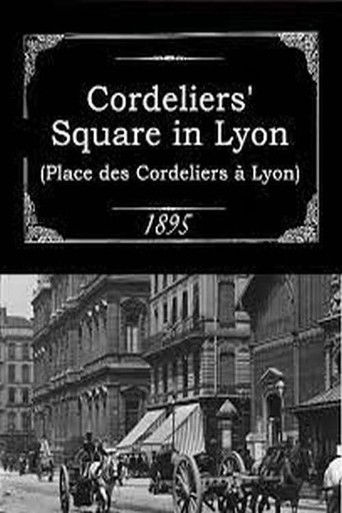
Cordeliers' Square in Lyon
1895
The Mechanical Butcher
1895
The Blacksmiths
1895
The Photographical Congress Arrives in Lyon
1895
Jumping the Blanket
1895
Swimming in the Sea
1895
Fishing for Goldfish
1895
Horse Trick Riders
1895
Snowball Fight
1897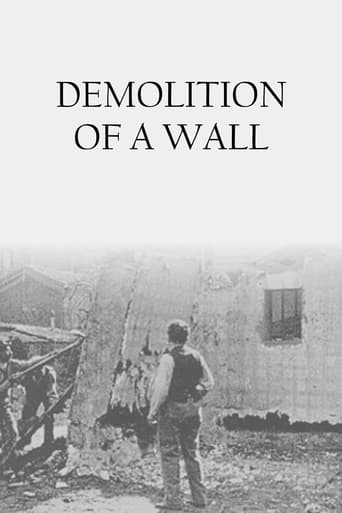
Demolition of a Wall
1896
Ateliers de La Ciotat
1896
Sack Race
1896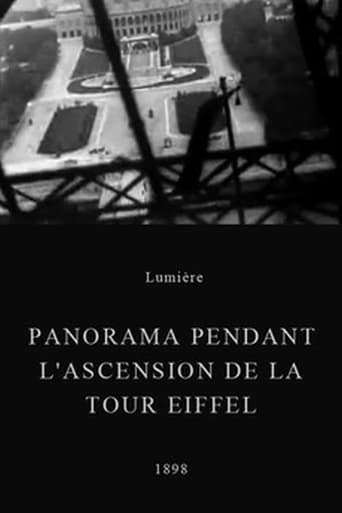
Panorama during the Ascent of the Eiffel Tower
1898
Transformation by Hats
1895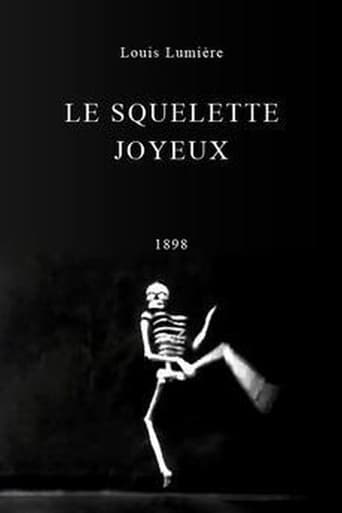
The Dancing Skeleton
1898
Carmaux: Drawing Out the Coke
1896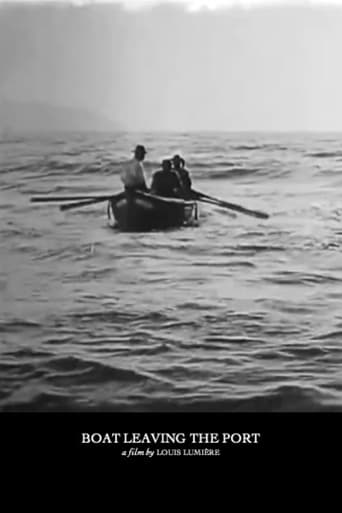
Boat Leaving the Port
1895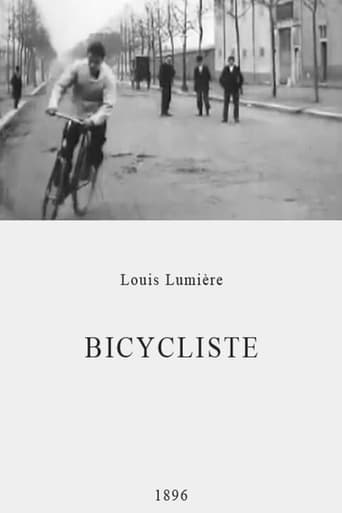
Bicyclist
1896
Départ en voiture
1895
Aquarium
1896
Photograph
1895
The Life and Passion of Jesus Christ
1898
Boules Game
1896
Le goûter des bébés
1897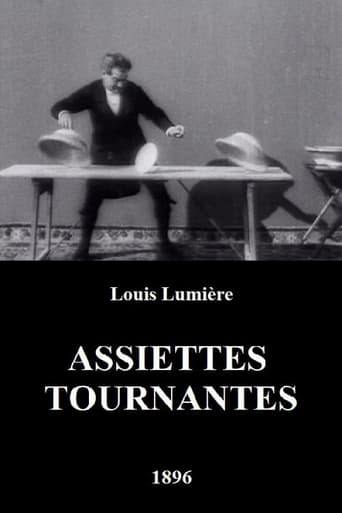
Assiettes tournantes
1896
Dresden, August-Brücke
1896
Panorama de l'arrivée en gare de Perrache pris du train
1896
Arrival of a Train at Perrache
1896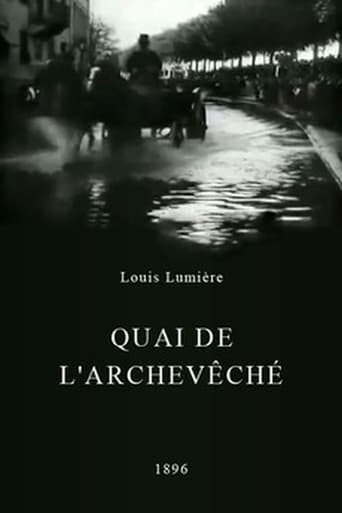
Lyon: Quai de l'Archevêché
1896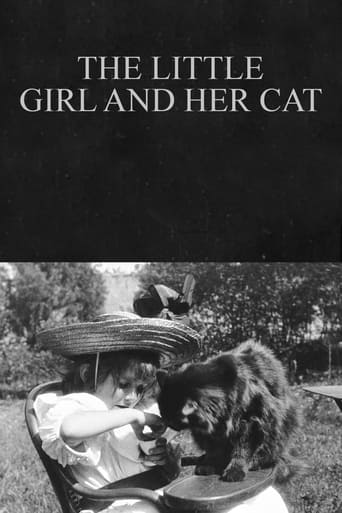
The Little Girl and Her Cat
1900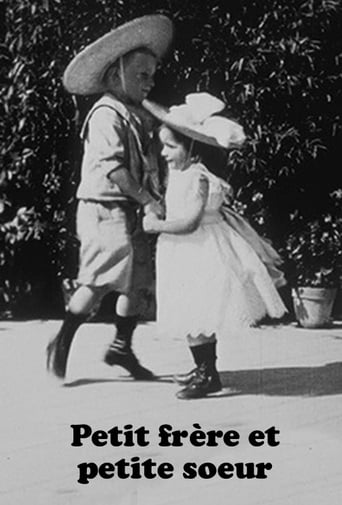
Petit frère et petite sœur
1897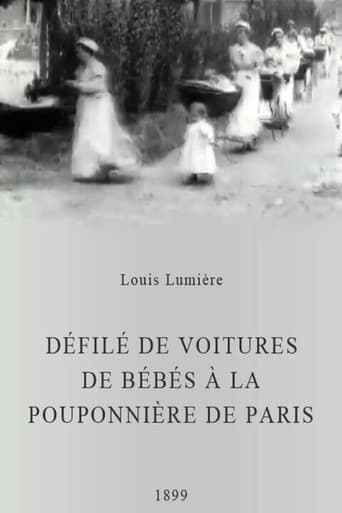
Procession of Baby Carriages at a Paris Nursery
1899
Workers Repairing a Sidewalk with Bitumen
1898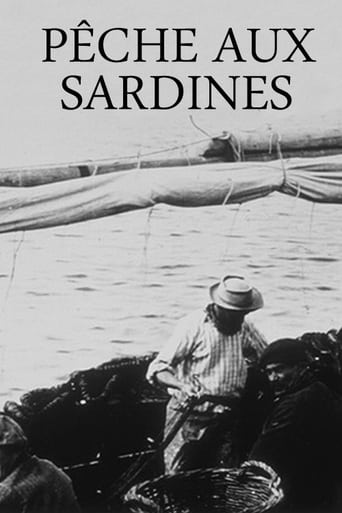
Sardine Fishing
1896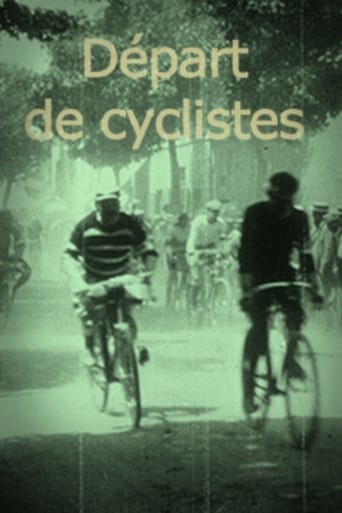
Départ de cyclistes
1896
Writing Backwards
1896
Pont de Westminster
1896
Workers Leaving the Lumière Factory
1895
Déjeuner du Chat
1896
Lyon, place Bellecour
1896
Le maréchal-ferrant
1896
Partie de tric-trac
1895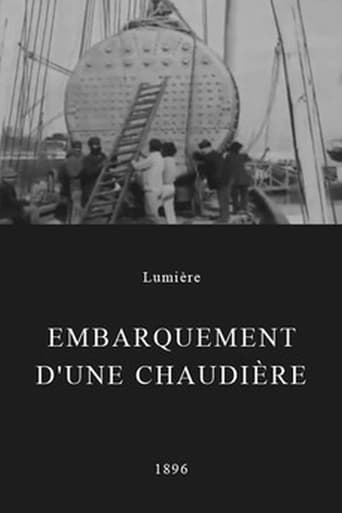
Loading a Boiler
1896
Voltige
1896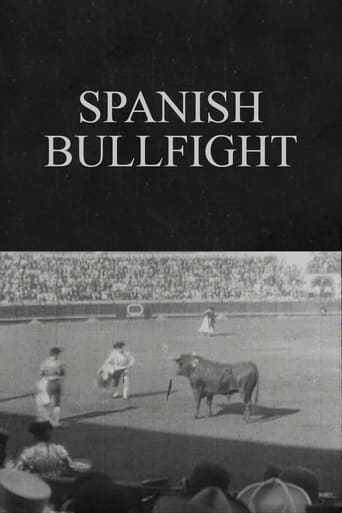
Spanish Bullfight
1900About Louis Lumière
Louis Lumière was born on October 5, 1864, in Besançon, France, into a family of photographers. Alongside his brother Auguste, he revolutionized entertainment by inventing the Cinématographe motion picture camera and projector in 1895, a device that could record, develop, and project films. Their historic first public screening on December 28, 1895, at the Grand Café in Paris is widely regarded as the birth of cinema, where they showcased ten short films including 'Workers Leaving the Lumière Factory' and 'The Sprinkler Sprinkled.' Louis personally directed many of their earliest films, favoring documentary-style captures of everyday life over the fantastical narratives of contemporaries like Georges Méliès. The Lumière brothers sent trained cameramen across the globe, creating the first international film library and introducing cinema to audiences worldwide. Despite their success, Louis famously declared cinema 'an invention without a future' around 1900, leading them to focus on their photographic business and color photography innovations. He continued inventing throughout his life, developing improvements to 3D photography and stereoscopic imaging until his death on June 6, 1948, in Bandol, France, leaving behind an immeasurable legacy as one of cinema's founding fathers.
The Craft
Behind the Camera
Louis Lumière's directing style was fundamentally observational and documentary-like, focusing on capturing authentic moments of everyday life with minimal theatrical staging or manipulation. He preferred single, fixed camera positions and natural lighting, creating a sense of realism that his work from contemporaries like Georges Méliès who embraced fantasy and special effects. His films were typically brief (under a minute) and depicted simple scenes from daily life, such as workers leaving a factory, a baby being fed, or a gardener being pranked. This approach established cinema as a medium for documenting reality rather than just creating fantasies, influencing the documentary tradition that would follow throughout film history. Lumière's style emphasized the beauty in ordinary moments, demonstrating that cinema could elevate everyday life into art through careful observation and composition.
Milestones
- Invention of the Cinématographe motion picture camera and projector (1895)
- First public film screening in cinema history (December 28, 1895, Paris)
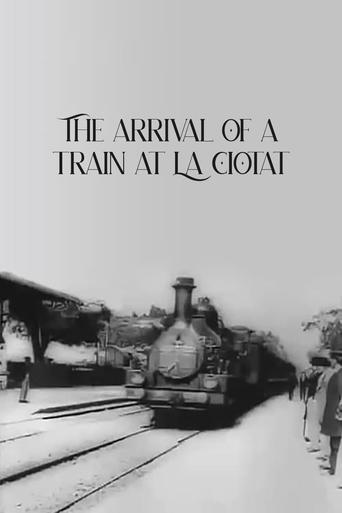
- Direction of early films including 'The Sprinkler Sprinkled' and 'Arrival of a Train at La Ciotat'
- Establishment of the first international film library through global cameramen deployment
- Development of the Autochrome color photography process
Best Known For
Must-See Films
Accolades
Won
- Legion of Honour (France)
- Posthumous recognition at numerous film festivals and retrospectives
- Namesake of the annual Lumière Film Festival in Lyon
Special Recognition
- Commander of the Legion of Honour
- Lumière Institute established in Lyon to preserve his legacy
- Annual Lumière Awards named in his honor
- Multiple posthumous retrospectives at major film archives worldwide
- Induction into various halls of fame for cinema pioneers
Working Relationships
Worked Often With
Studios
Why They Matter
Impact on Culture
Louis Lumière fundamentally transformed human culture by helping create a new art form that would become the most powerful medium of the 20th century. His documentary approach established cinema as a window onto reality, influencing countless filmmakers who would follow and creating an invaluable visual record of late 19th-century life. The Lumière brothers' invention made motion pictures accessible and portable, allowing cinema to spread rapidly across the globe and eventually becoming a universal language of storytelling and documentation. Their first public screening on December 28, 1895, is widely considered the birth of cinema, marking the transition from optical toys to a legitimate artistic and commercial medium. Louis's preference for filming everyday life established the documentary tradition in cinema, while his technical innovations set standards that would guide the industry for decades. The cultural impact extends beyond entertainment to education, journalism, and historical preservation, with Lumière's early films serving as some of the only moving images of everyday life in the 1890s.
Lasting Legacy
Louis Lumière's legacy as one of cinema's founding fathers is immeasurable, with the Lumière name forever associated with the birth of motion pictures. The Lumière Institute in Lyon preserves their work and continues to honor their contributions to cinema through exhibitions, screenings, and educational programs. Their invention of the Cinématographe set technical standards for early filmmaking, with its 35mm film format eventually becoming the industry standard that persisted for over a century. The annual Lumière Film Festival in Lyon celebrates their contributions and showcases contemporary cinema, maintaining their connection to living film culture. Perhaps most significantly, the Lumière brothers' early films demonstrated cinema's dual nature as both art and documentation, establishing possibilities that filmmakers continue to explore today. Louis's legacy extends to photography through his work on color processes like Autochrome, which dominated color photography for decades. His name appears in countless film histories, textbooks, and documentaries as the starting point for discussions about cinema's origins and development.
Who They Inspired
Louis Lumière's documentary style influenced generations of filmmakers, from the French New Wave directors who embraced location shooting and naturalism to modern documentarians who seek to capture authentic reality. His technical innovations, particularly the Cinématograthe's design, established principles that would guide camera and projector development for decades. Directors like Jean Renoir, Robert Bresson, and the Direct Cinema movement of the 1960s all owe a debt to Lumière's observational approach and belief in capturing truth through the camera lens. His influence extends beyond cinema to photography, where his work on color photography processes like Autochrome revolutionized the medium and made color photography accessible to amateurs. Contemporary filmmakers continue to reference his early films, with 'The Sprinkler Sprinkled' often cited as one of the first narrative films and a precursor to slapstick comedy. The Lumière aesthetic of finding beauty in everyday moments can be seen in the work of directors from Yasujirō Ozu to Abbas Kiarostami, demonstrating the enduring relevance of Louis's vision.
Off Screen
Louis Lumière came from a family deeply involved in photography, with his father Antoine running a successful photographic plate manufacturing business in Lyon. He married Rose Lumière (no relation) in 1893, and they had two daughters, including Suzanne who would continue the family's photographic legacy. Unlike many Hollywood figures of later eras, Louis maintained a relatively private life focused on his inventions, business ventures, and technical innovations. The Lumière family home and factory in Lyon has been preserved as the Lumière Museum, showcasing their contributions to photography and cinema. Louis lived through the entire evolution of cinema from its birth to the post-World War II era, though he remained somewhat detached from the industry's commercial development after abandoning filmmaking in 1900.
Education
Technical education in engineering and chemistry, which provided the foundation for his inventions in photography and cinematography. He also received practical training in his father's photographic business from an early age.
Family
- Rose Lumière (1893-1948)
Did You Know?
- Louis Lumière once famously said, 'Cinema is an invention without a future,' ironically underestimating the medium he helped create
- His film 'Arrival of a Train at La Ciotat' supposedly caused audiences to panic, believing the train was coming through the screen (though this is likely apocryphal)
- The Lumière brothers sent cameramen around the world, creating the first international film library with footage from places like Japan, Mexico, and Russia
- Louis was the more technically inclined of the brothers, while Auguste focused more on the biological sciences
- The Cinématographe was lighter and more portable than Thomas Edison's Kinetoscope, giving it a significant advantage
- Louis continued inventing throughout his life, developing improvements to 3D photography and stereoscopic imaging
- The Lumière factory where they filmed 'Workers Leaving the Lumière Factory' was actually their family's photographic plate factory
- Despite their early success, the Lumière brothers abandoned filmmaking by 1900, believing it had no commercial future
- Louis and Auguste had a third brother, Edouard, who was less involved in their inventions
- The Lumière Museum in Lyon is housed in their former family home and factory
- Their film 'The Sprinkler Sprinkled' is considered one of the first comedy films and a precursor to slapstick
- The Lumière company produced over 1,400 films between 1895 and 1905
In Their Own Words
"Cinema is an invention without a future." - Louis Lumière, 1900 (ironically underestimating the medium he helped create)
"The cinematograph is a scientific curiosity and has no commercial future." - Louis Lumière, reflecting on why he and his brother abandoned filmmaking
"My invention can be exploited for a certain time as a scientific curiosity, but apart from that it has no commercial value whatsoever." - Louis Lumière on the Cinématographe
"The cinema is a truth 24 times per second." - Often attributed to Jean-Luc Godard but inspired by Lumière's documentary approach
Frequently Asked Questions
Who was Louis Lumière?
French inventor, engineer, and filmmaker who, along with his brother Auguste, invented the Cinématographe motion picture camera and projector in 1895. He directed some of the first motion pictures ever made and is considered one of the founding fathers of cinema.
What films is Louis Lumière best known for?
Titles linked here include The Sprinkler Sprinkled (1895), Baby's Meal (1895).
When was Louis Lumière born and when did he die?
Born October 5, 1864; died June 6, 1948.
What awards did Louis Lumière win?
While Louis Lumière worked before the establishment of modern film awards, he received France's Legion of Honour and numerous posthumous honors for his contributions to cinema and photography. The Lumière Film Festival in Lyon is named in his honor.
What was Louis Lumière's directing style?
Louis Lumière's directing style was observational and documentary-like, focusing on capturing authentic moments of everyday life with minimal staging. He preferred single, fixed camera positions and natural lighting, creating a sense of realism that his work from more theatrical contemporaries like Georges Méliès.
How did Louis Lumière impact cinema?
Louis Lumière revolutionized entertainment by helping create the motion picture medium itself. His invention of the Cinématographe made cinema technically and commercially viable, while his documentary approach established film as a medium for capturing reality, influencing countless filmmakers who followed.
Why did the Lumière brothers stop making films?
The Lumière brothers abandoned filmmaking around 1900 because Louis believed cinema was 'an invention without a future' and had no commercial value beyond being a scientific curiosity. They focused instead on their successful photographic business and other inventions.
What was the significance of the first Lumière screening?
The first public Lumière screening on December 28, 1895, in Paris is widely considered the birth of cinema, marking the first time motion pictures were projected for a paying audience and establishing cinema as a legitimate artistic and commercial medium.