Panorama during the Ascent of the Eiffel Tower
"Paris rising in a moving view"
Keys: Space play/pause · ←/→ 10s · F fullscreen · M mute · </> speed
About this film
. Exhibitors circulated the 1898 print in short programs.
Cast & crew
More films like this
More Documentary films
View all →


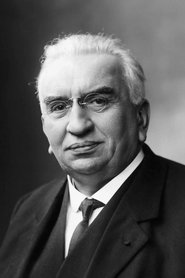
More from Louis Lumière
View all →


More about this film
About the production
Release date1898
BudgetNot documented
Box officeNot documented - early films were typically shown as part of variety programs rather than sold individually
ProductionLumière Company
Filmed inEiffel Tower, Paris, France
This film was created using the Lumière brothers' cinematograph, which served as both camera and projector. The technical challenge of mounting and operating the camera during the tower's ascent was significant for 1898. The film was likely shot during multiple takes to ensure stability and proper exposure. The camera operator had to manually crank the film while managing the equipment during the vertical movement, requiring considerable skill and physical endurance.
Themes
Technological progressModern urban lifeHuman achievementPerspective and viewpointThe beauty of Paris
Themes & topics
Eiffel TowerParisAscentPanoramaAerial viewDocumentaryCamera movementUrban landscapeArchitectureHeightElevatorCityscapeFrench landmarkEarly cinemaActualité
Historical background
Panorama during the Ascent of the Eiffel Tower reached screens around 1898, produced in its country of origin. Programs then mixed actualities, dances, and staged scenes in single-reel slots.
Why this film matters
Researchers cite Panorama during the Ascent of the Eiffel Tower when tracing screen culture of its decade. Its brevity makes it useful for teaching how early narratives were staged.
Making of
The production of this film required significant technical innovation for its time. The Lumière cinematograph was a heavy, hand-cranked device that had to be stabilized during the tower's ascent. The camera operator likely had to brace themselves against the elevator structure or use custom-built mounting equipment to minimize shake. The film was shot on 35mm film stock at approximately 16 frames per second, the standard for early cinema. The lighting conditions had to be carefully considered, as the camera would be moving from the base to the top of the tower, potentially encountering different light exposures. Multiple takes were probably necessary to achieve a stable, clear image. The film was developed using the Lumière brothers' own photographic processes, which they had refined for both still and moving images.
What critics said
Reviewers in 1898 weighed Panorama during the Ascent of the Eiffel Tower on clarity, pacing, and audience response rather than prestige status. No single canonical review dominates later reference works for the title.
Did you know?
- This film represents one of the earliest examples of camera movement in cinema, specifically vertical movement
- The Eiffel Tower was only 9 years old when this film was made, having been completed for the 1889 World's Fair
- Louis Lumière personally operated the camera for many of his early films, though it's unconfirmed if he did so for this particular production
- The film demonstrates the Lumière brothers' interest in 'actualités' - real-life scenes rather than staged narratives
- This was among the first films to give audiences a 'bird's-eye view' perspective, predating aviation cinema
- The technical feat of filming during the tower's ascent required innovative mounting solutions for the heavy cinematograph equipment
- Early audiences were reportedly thrilled by the sensation of movement and height when viewing this film
- The film was part of the Lumière catalog and distributed internationally, helping spread cinema technology globally
- The Eiffel Tower's elevators were still relatively new technology in 1898, making this a double technological showcase
- This film exemplifies the Lumière philosophy of capturing reality rather than creating fictional narratives
Visual style
The cinematography in this film was revolutionary for its time, featuring one of the earliest examples of vertical camera movement in cinema. The shot was likely captured using a hand-cranked Lumière cinematograph mounted on the Eiffel Tower's elevator. The gradual ascent creates a continuous shot that slowly reveals more of Paris below. The framing maintains the panoramic view while the camera rises, requiring careful composition to keep the cityscape in frame. The exposure had to be adjusted as the camera moved upward, dealing with changing light conditions. The film demonstrates remarkable stability for hand-held work of the era, suggesting either innovative mounting techniques or exceptional operator skill. The black and white imagery captures the architectural details of Paris and the tower's structure with clarity that was impressive for 1898 technology.
Innovations
This film represents several important technical achievements in early cinema. It demonstrates one of the first successful uses of camera movement, specifically vertical movement, in filmmaking. The mounting and stabilization of the cinematograph during the tower's ascent was a significant technical challenge for 1898. The film showcases early understanding of how camera movement could create new cinematic perspectives. The continuous shot required careful planning and execution, as there was no editing capability in early cinema. The film also demonstrates early mastery of exposure control during changing conditions. The successful capture of clear, stable images from a moving platform was groundbreaking and influenced future developments in camera mounting and stabilization technology.
Music
This film was created during the silent era and had no synchronized soundtrack. When originally shown, it would have been accompanied by live music, typically a pianist or small orchestra in the venue. The musical accompaniment would have been chosen to match the ascending motion and panoramic views, likely featuring light, uplifting pieces. Some venues might have used popular French music of the period or classical selections. The experience of viewing early films was highly dependent on the quality and appropriateness of the live musical accompaniment provided by each individual theater.
Famous quotes
No recorded dialogue - silent film
Memorable scenes
- The continuous ascent shot that gradually reveals the expanding panorama of Paris below, offering audiences their first cinematic experience of height and aerial perspective
What audiences thought
Early audiences reportedly experienced a thrilling sensation when viewing this film, with many describing it as feeling like they were actually ascending the Eiffel Tower. The film was popular in the Lumière catalog and was shown internationally as part of their programs. Audiences of the 1890s were still astonished by any moving images, but films that provided unusual perspectives or movement were particularly popular. The experience of seeing Paris from above was especially novel, as most people had never seen such a view. The film's short length and clear concept made it easily accessible to audiences worldwide, regardless of language barriers. It was likely received as both entertainment and a demonstration of technological progress.
Film connections
Influenced by
- Lumière brothers' earlier actualités
- 19th century panoramic photography
- Early travel literature and postcards
- The tradition of city views in art
- Scientific and technical demonstration films
This film influenced
- Man with a Movie Camera (1929)
- Berlin: Symphony of a Great City (1927)
- Various city symphonies of the 1920s
- Early aviation films
- Modern travel documentaries
- IMAX city films
- Drone cinematography works
Film restoration
Preserved - The film exists in the Lumière Institute archives and has been digitized for historical preservation. It is considered one of the important surviving examples of early cinema.
Where to watch
- Available on various early cinema compilation DVDs
- Some streaming platforms specializing in classic films
- YouTube (through official archives)
- The Lumière Institute's digital collections
- Film history educational platforms
- Museum of Modern Art's film collection screenings