Keys: Space play/pause · ←/→ 10s · F fullscreen · M mute · </> speed
Plot
Le goûter des bébés captures a tender domestic scene featuring two young children, Marcel and Madeleine Koehler, enjoying their afternoon snack under the watchful eye of their mother. The film documents the simple, everyday moment of children being fed, showcasing their innocent reactions and interactions. Set in what appears to be a family dining room, the camera observes as the children are given their tea or milk, with one child appearing more enthusiastic than the other. The short film concludes with the children continuing their meal, providing viewers with an authentic glimpse into late 19th-century family life. This actualité-style film exemplifies the Lumière brothers' interest in capturing real moments rather than staged performances.
Director
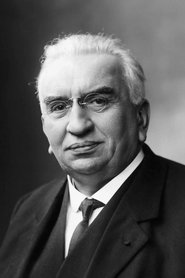 Louis Lumière
About the Production
Release Date 1897
Budget Not documented - early Lumière films were produced with minimal costs as part of the brothers' experimental cinema work
Box Office Not documented - box office tracking was not standard practice for early cinema exhibitions
Production Lumière Company
Filmed In Lyon, France (presumed)
This film was shot using the Lumière Cinématographe, which served as both camera and projector. The single static shot was typical of early Lumière productions, which favored observational documentary-style filming over narrative storytelling. The children featured were the offspring of Lumière Company associates, reflecting the practice of using company personnel and their families in early productions.
More Documentary Films
View all →
More from Louis Lumière
View all →

Themes & Topics
childreneatingfamilydomestic scenemealtimebabiessnack timemotherhoodhome lifeeveryday activities
Historical Background
Le goûter des bébés was produced during the revolutionary period of cinema's birth, just two years after the Lumière brothers' first public screening in Paris in 1895. This era marked the transition from optical toys and magic lantern shows to true motion pictures. The late 1890s saw rapid technological innovation in France, with the Lumière Company at the forefront of cinematic development. The film emerged during the Belle Époque, a period of cultural and artistic flowering in France. Cinema was initially presented as a scientific curiosity and novelty attraction, with films like this demonstrating the new medium's ability to capture and preserve moments of real life. The domestic subject matter reflects the growing middle-class interest in family life and childhood, themes that would become increasingly popular in both art and entertainment.
Why This Film Matters
This film holds significant cultural importance as an early example of the documentary genre and the cinematic representation of domestic life. It represents a crucial moment in the development of film language, demonstrating how even the simplest scenes could captivate audiences. The film's focus on children and family life presaged the domestic melodramas and family comedies that would become staples of cinema throughout the 20th century. As part of the Lumière brothers' body of work, it contributed to establishing cinema as a medium capable of documenting everyday reality, not just staging elaborate productions. The film also serves as a valuable historical document, providing authentic visual evidence of late 19th-century domestic practices, child-rearing, and family dynamics. Its preservation allows modern viewers to connect with the everyday lives of people from over a century ago.
Making Of
The making of Le goûter des bébés represents the early cinema practice of using available subjects rather than professional actors. The Lumière brothers often filmed company employees, their families, and local residents in natural settings. For this production, the Koehler children were likely filmed in their own home or a set designed to resemble a domestic dining space. The single static camera setup required no complex lighting or sound equipment, as early films were silent and typically shot using available natural light from windows. The director, Louis Lumière, would have operated the Cinématographe himself, hand-cranking the camera to capture approximately 16 frames per second. The filming process would have been quick and efficient, requiring only one or two takes to achieve the desired result.
What Critics Said
Contemporary critical reception of early Lumière films like Le goûter des bébés was generally positive, with newspapers and periodicals marveling at the technology's ability to capture lifelike movement. Critics of the time often praised the realism and authenticity of Lumière productions, contrasting them favorably with the more theatrical presentations of other early filmmakers. Modern film historians and critics view this film as an important artifact of cinema's infancy, appreciating its simplicity and documentary value. The film is frequently cited in scholarly works about early cinema as an example of the Lumière aesthetic and the development of documentary film practices. While not as famous as some other Lumière productions like 'L'Arrivée d'un train en gare de La Ciotat,' it is recognized by film scholars as a representative example of early actualité filmmaking.
Did You Know?
- This film is also known by the English title 'Babies' Tea Time' or 'Babies' Afternoon Snack'
- The film features Marcel and Madeleine Koehler, children of Lumière Company employees
- At just 45 seconds, it represents the typical length of early Lumière productions
- The film exemplifies the Lumière brothers' preference for actualités (documentary-style films) over the fantastical films of their contemporary Georges Méliès
- The static camera position and single continuous shot were characteristic of early Lumière cinematography
- This film was part of the Lumière brothers' extensive catalog of over 1,400 films produced between 1895 and 1905
- The children's mother Suzanne Lumière (possibly related to the Lumière family) appears in the film
- Like many early Lumière films, it was likely shown as part of a program of multiple short films during cinema exhibitions
- The film demonstrates the early cinema practice of capturing everyday domestic scenes for public entertainment
- The simple act of children eating was considered novel and entertaining subject matter for early cinema audiences
More film details Visual style, music, quotes, restoration, and more
Visual Style
The cinematography of Le goûter des bébés exemplifies the characteristic style of early Lumière productions. The film employs a single, static camera position, typical of the period when camera movement was technically challenging and aesthetically unexplored. The composition is straightforward and functional, with the subjects arranged centrally within the frame to ensure clear visibility. The lighting relies on natural illumination, likely from a window, creating the soft, authentic look prized by the Lumière brothers. The depth of field is relatively shallow, a technical limitation of early lenses that nonetheless creates an intimate focus on the children. The black and white imagery, captured on 35mm film, shows the characteristic contrast and grain of late 19th-century motion picture stock. The camera's fixed position and continuous recording create a window-like effect, inviting viewers to observe the scene as if present in the room.
Innovations
While Le goûter des bébés may appear technically simple by modern standards, it represents several important technical achievements of early cinema. The film was shot using the Lumière Cinématographe, a revolutionary device that combined camera, printer, and projector in one portable unit. The hand-cranked mechanism allowed for relatively consistent frame rates of approximately 16 frames per second. The 35mm film format used would become the industry standard for decades. The ability to capture clear, stable images of moving subjects, particularly children, demonstrated the advancing capabilities of early motion picture technology. The film's preservation and survival for over 125 years also testifies to the relatively stable nature of early celluloid film stock when properly stored.
Music
As a silent film produced in 1897, Le goûté des bébés had no synchronized soundtrack. During early cinema exhibitions, musical accompaniment was typically provided live by pianists, organists, or small ensembles who would improvise or play appropriate music to match the on-screen action. For a domestic scene like this, the accompaniment would likely have been gentle, cheerful music, possibly popular songs or light classical pieces of the period. Some exhibition venues might have used sound effects created by live performers to enhance the viewing experience. The absence of recorded sound was standard for the era, with synchronized sound technology not becoming commercially viable until the late 1920s.
Memorable Scenes
- The entire 45-second film consists of a single memorable scene: two young children sitting at a table while being fed their afternoon snack, with one child eagerly accepting food while the other appears more hesitant, creating a natural and authentic family moment that captures the essence of childhood mealtime dynamics.
What Audiences Thought
Early cinema audiences were reportedly fascinated by films like Le goûter des bébés, which showed familiar domestic scenes with unprecedented realism. The novelty of seeing moving images of everyday life, particularly children, was a significant draw for spectators of the 1890s. Audiences often reacted with wonder and excitement to the simple act of watching real people perform routine activities on screen. The film's subject matter would have been particularly relatable to the growing middle-class audiences who attended early cinema exhibitions. While individual reception records for specific early films are scarce, the continued production and exhibition of similar domestic scenes by the Lumière Company suggests these films were popular with audiences. The film likely evoked emotional responses related to nostalgia, family values, and the innocence of childhood.
Film Connections
Influenced By
- Early photography traditions of domestic portraiture
- The Lumière brothers' interest in documenting reality
- 19th-century genre painting depicting domestic scenes
This Film Influenced
- Other Lumière actualités featuring domestic scenes
- Early documentary films focusing on everyday life
- Family-oriented short films of the early 20th century
Film Restoration
The film is preserved and archived as part of the Lumière Institute's collection in Lyon, France. It has been digitized and is available through various film archives and educational platforms. The survival of this 1897 film is remarkable given the fragile nature of early celluloid, and its preservation allows continued study and appreciation of early cinema.
Where to Watch
- Lumière Institute archives
- European Film Gateway
- YouTube (through archive channels)
- Various film history educational platforms
- Museum of Modern Art film collection
- British Film Institute archive