Films
6 films
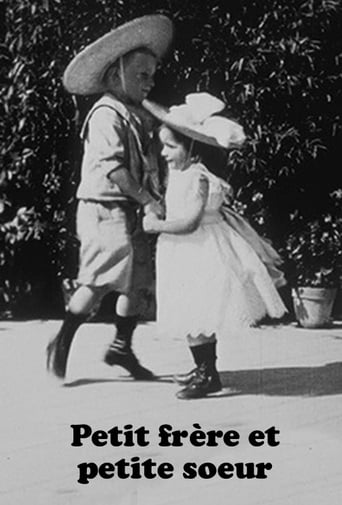
About Madeleine Koehler
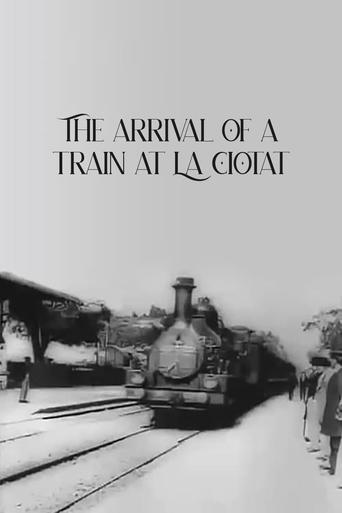
Madeleine Koehler was one of the figures in cinema history, appearing in some of the earliest motion pictures ever created by the Lumière brothers in France during the mid-1890s. As one of the first people ever captured on film, she participated in the revolutionary experiments that would give birth to the motion picture industry. Her appearances in films like 'The Arrival of a Train at La Ciotat' (1896) and 'Départ en voiture' (1895) place her among the very first film performers in history. Unlike later professional actors, Koehler was likely a family friend or acquaintance of the Lumière brothers who participated in these early cinematic experiments. Her brief but significant the crucial years 1895-1900, during which cinema transformed from a technological curiosity into an emerging art form. Though her filmography consists of only a handful of short films, her contributions represent the very foundation of film acting and the birth of cinematic performance.
The Craft
On Screen
Naturalistic and unposed - typical of Lumière films which captured real moments rather than staged performances
Milestones
- Appeared in 'The Arrival of a Train at La Ciotat' (1896), one of cinema's most influential early films
- Participated in the Lumière brothers' film experiments
- Featured in multiple Lumière productions during cinema's birth years
- Part of the first generation of people ever captured on motion picture film
Best Known For
Iconic Roles
Must-See Films
Working Relationships
Worked Often With
Studios
Why They Matter
Impact on Culture
Madeleine Koehler represents the dawn of film performance, participating in the medium's formative years when the concept of 'film acting' had not yet been established. Her appearances in Lumière films helped demonstrate the potential of motion pictures to capture and preserve human moments, contributing to the development of cinema as both art and entertainment. These early films, featuring performers like Koehler, were instrumental in establishing the visual language of cinema and proving that moving images could engage audiences emotionally.
Lasting Legacy
As one of cinema's earliest performers, Madeleine Koehler's legacy lies in her participation in the foundational moments of film history. The films she appeared in, particularly 'The Arrival of a Train at La Ciotat,' remain landmark achievements in cinema that continue to be studied and referenced by film historians and scholars. Her work represents the authentic, unpolished beginnings of film performance before the establishment of acting techniques specifically for the camera.
Who They Inspired
While Koehler herself did not develop acting techniques that influenced others, her natural presence in these early films demonstrated how authentic human behavior could translate to the screen. The Lumière films featuring Koehler and other early performers established the precedent for capturing real moments rather than staged theatrical performances, influencing the documentary and realist traditions in cinema that would follow.
Off Screen
Very little is documented about Madeleine Koehler's personal life, which was typical for early film participants who were not professional actors but rather ordinary people captured in these films. She was likely from the Lyon region of France where the Lumière brothers conducted their early experiments.
Did You Know?
- Appeared in what many consider the most famous early film, 'The Arrival of a Train at La Ciotat'
- Participated in cinema before the concept of 'film actors' even existed
- Likely knew the Lumière brothers personally, as they used friends and family in early films
- Her films were all shot in Lyon, France, where the Lumière brothers established their studio
- The films she appeared in were typically less than one minute long
- She was part of the first generation of humans to ever see themselves in motion pictures
- Her performances were completely unscripted and captured real moments rather than acting
- The Lumière films she appeared in were shown around the world, making her one of the first internationally seen performers
Frequently Asked Questions
Who was Madeleine Koehler?
Madeleine Koehler was one of the first people ever to appear in motion pictures, performing in several Lumière brothers films between 1895-1897. She represents the dawn of film acting during cinema's birth years in France.
What films is Madeleine Koehler best known for?
Titles linked here include The Arrival of a Train at La Ciotat (1896), Départ en voiture (1895).
When was Madeleine Koehler born and when did she die?
Specific birth and death dates for Madeleine Koehler are not documented, which was common for early film participants who were not professional actors but rather ordinary people captured in these experiments.
What awards did Madeleine Koehler win?
Madeleine Koehler did not receive any formal awards or recognition during her lifetime, as the film industry and its award systems had not yet been established during her brief career in the 1890s.
What was Madeleine Koehler's acting style?
Her 'acting' was completely natural and unposed, as the Lumière films captured real moments rather than staged performances. She represented authentic human behavior in these early motion picture experiments before film acting techniques were developed.