Films
5 films
About Marcel Koehler
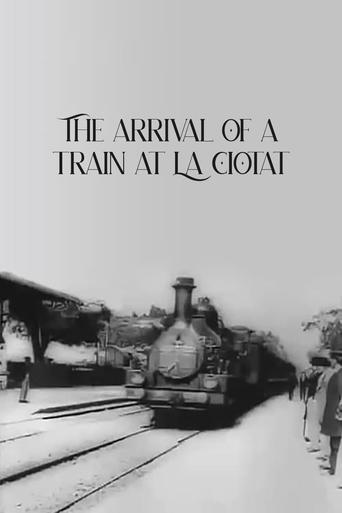
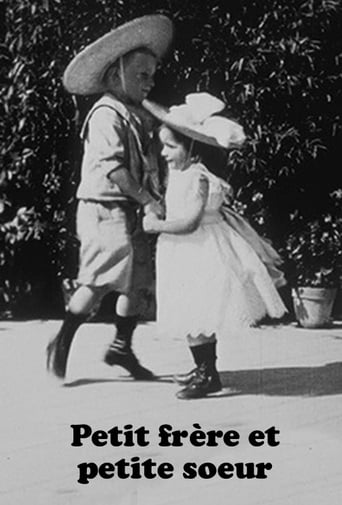
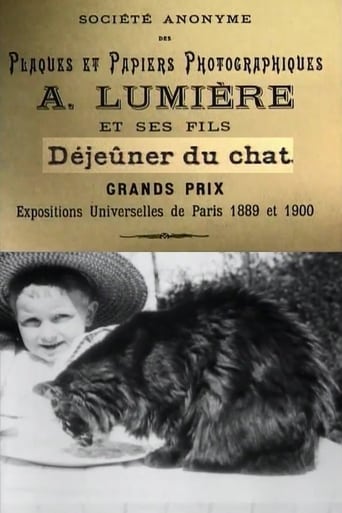
Marcel Koehler was one of the earliest performers in cinema history, appearing in several short films during the birth of motion pictures in 1896-1897. His work coincided with the very dawn of commercial filmmaking, when the Lumière brothers were the medium in France. Koehler appeared in some of the most historically significant early films, including the 'The Arrival of a Train at La Ciotat,' which famously caused audiences to panic when they first saw the train approaching on screen. His other known works include domestic scenes like 'Déjeuner du Chat,' 'Repas en famille,' 'Le goûter des bébés,' and 'Petit frère et petite sœur,' all typical of the Lumière brothers' early catalog of actualities and staged scenes. Like many early film performers, Koehler was likely not a professional actor but rather someone who participated in these experimental films during cinema's infancy. His career, though brief and undocumented beyond these few films, places him among the very first people to ever appear in motion pictures. The exact circumstances of his involvement with the Lumière brothers remain unclear, as detailed biographical information about performers from this era is extremely scarce.
The Craft
On Screen
Like most performers of the earliest film era, Koehler's style would have been naturalistic rather than theatrical, as the Lumière brothers preferred capturing real-life situations and authentic behavior rather than staged performances. His appearances were likely brief and uncredited, typical of early cinema where the focus was on the novelty of the moving image rather than individual performers.
Milestones
- Appeared in 'The Arrival of a Train at La Ciotat' (1896), one of cinema's most historically significant early films
- Participated in the birth of commercial cinema with the Lumière brothers
- Appeared in multiple films during the very first years of motion picture history
Best Known For
Must-See Films
Working Relationships
Worked Often With
Studios
Why They Matter
Impact on Culture
Marcel Koehler represents the very beginning of screen acting, participating in films that helped establish cinema as a new art form and entertainment medium. His appearance in 'The Arrival of a Train at La Ciotat' places him in. These early Lumière films, featuring performers like Koehler, were instrumental in developing the language of cinema and establishing film as a commercial enterprise. The domestic scenes he appeared in helped establish early narrative conventions and showed how everyday life could be captured and presented on screen.
Lasting Legacy
As one of cinema's first performers, Marcel Koehler's legacy is tied to the birth of motion pictures themselves. While his individual contributions may be lost to history, his participation in these films makes him part of the foundation upon which the entire film industry was built. The films he appeared in continue to be studied by film historians and screened at cinema museums and archives worldwide as examples of the very first motion pictures ever made.
Who They Inspired
As an early performer, Koehler's influence would have been indirect, helping to demonstrate that people could be captured on film and that moving images of human activity held fascination for audiences. These early performances, however brief, helped establish that film could document human behavior and eventually tell stories featuring people.
Off Screen
Virtually no personal information about Marcel Koehler has survived from the historical record, which is typical for performers from cinema's earliest days. Like many who appeared in the first films, he was likely not a professional actor but rather someone who happened to participate in these productions.
Did You Know?
- Appeared in films during the very first year of commercial cinema history
- Participated in 'The Arrival of a Train at La Ciotat,' which allegedly caused audience members to scream and run from the theater during its first screenings
- Like most early film performers, was likely not Marcel Koehler appeared in the original films
- The films he appeared in were all extremely short, typically under a minute in length
- Worked with the Lumière brothers, who are considered among the inventors of cinema
- His film active years covered only two years, 1896-1897, during cinema's absolute infancy
- The domestic scenes he appeared in were typical of early Lumière productions that captured everyday life
- None of his films featured synchronized sound, as this was decades before the advent of talkies
Frequently Asked Questions
Who was Marcel Koehler?
Marcel Koehler was one of the earliest actors in cinema history, appearing in several short films made by the Lumière brothers in 1896-1897 during the birth of motion pictures. He is known for his appearances in films like 'The Arrival of a Train at La Ciotat' and various domestic scenes that were among the first motion pictures ever made.
What films is Marcel Koehler best known for?
Titles linked here include The Arrival of a Train at La Ciotat (1896), Déjeuner du Chat (1896).
When was Marcel Koehler born and when did he die?
Unfortunately, no birth or death information for Marcel Koehler has survived in the historical record, which is common for performers from cinema's earliest days. His known film active years covered only 1896-1897, during the very beginning of commercial cinema.
What awards did Marcel Koehler win?
Marcel Koehler did not receive any awards or formal recognition during his lifetime, as the film industry and its award systems had not yet been established in the 1890s. The first Academy Awards would not be presented until 1929, decades after his brief film career.
What was Marcel Koehler's acting style?
Koehler's acting style would have been naturalistic and untheatrical, typical of early Lumière films which favored authentic behavior over dramatic performance. Like most performers of this era, he was likely not a professional actor but someone who happened to participate in these experimental films that captured everyday situations.