Films
2 films

About Suzanne Lumière
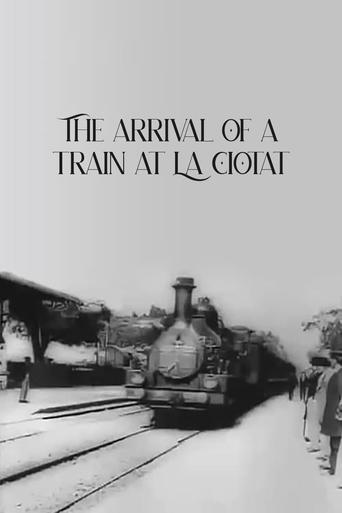
Early cinema performer active during the birth of motion pictures in the late 1890s. Suzanne appears in some of the most films of the early cinema era, including the 'The Arrival of a Train at La Ciotat' (1896), which famously caused audiences to panic as they believed the train was coming directly toward them. Her participation in 'Le goûter des bébés' (1897) demonstrated her versatility in appearing in both documentary-style scenes and more staged domestic scenarios. As with many early film performers, her career was brief but historically significant, occurring during the transitional period when cinema was evolving from a technological novelty to an artistic medium. Her work with the Lumière brothers places her among the very first people to ever appear in motion pictures, making her part of cinema's foundational history. The limited documentation from this era means that much of her personal story remains unknown, but her contributions to early cinema are preserved through these surviving films.
The Craft
On Screen
Naturalistic and unstaged performance typical of early Lumière films, where subjects were often filmed going about their daily activities rather than performing scripted roles
Milestones
- Appeared in 'The Arrival of a Train at La Ciotat' (1896), one of cinema's most influential early films
- Performed in 'Le goûter des bébés' (1897), demonstrating early domestic cinema
- Part of the Lumière brothers' film experiments
- Among the first actors in motion picture history
Best Known For
Iconic Roles
Must-See Films
Working Relationships
Worked Often With
Studios
Why They Matter
Impact on Culture
Suzanne Lumière's contribution to cinema, while brief, represents the very foundation of film performance. Her appearance in 'The Arrival of a Train at La Ciotat' places her in. As one of the first people ever captured on motion picture film, she represents the transition from photography to moving images and the birth of a new art form. Her work helped establish that ordinary people and everyday activities could become compelling cinematic subjects, a principle that would influence documentary filmmaking and realism in cinema for decades to come.
Lasting Legacy
Suzanne Lumière's legacy is preserved through the historical significance of the films in which she appeared. These works are studied by film scholars worldwide as examples of cinema's earliest days and the Lumière brothers' revolutionary approach to capturing reality on film. Her participation in these foundational films makes her part of cinema's origin story, representing the very first generation of film performers. While her name may not be widely recognized today, her image contributes to our understanding of how cinema began and how early filmmakers approached the new medium of motion pictures.
Who They Inspired
As one of cinema's earliest performers, Suzanne Lumière influenced the development of film acting by demonstrating that natural, unstaged behavior could be compelling on screen. Her work with the Lumière brothers helped establish that cinema could capture authentic moments of human activity, influencing the documentary tradition and realist approaches to filmmaking that would emerge throughout film history.
Off Screen
Very little is documented about Suzanne Lumière's personal life, which was typical for early cinema performers who were often family members, friends, or employees of filmmakers rather than professional actors. The concept of celebrity and detailed biographical documentation for film performers did not exist in the 1890s.
Did You Know?
- Appeared in what is considered
- Part of the very first generation of motion picture performers
- Worked during the era when films had no credits and performers were often anonymous
- Her films were shot by the Lumière brothers, who are credited as some of cinema's true pioneers
- The films she appeared in were typically less than a minute long, as was standard for the era
- Early films like hers were often shown as part of traveling exhibitions and demonstrations
- She performed before the concept of 'movie stars' or professional actors existed
- Her work predates the establishment of Hollywood and the studio system
- The films survive today as important historical documents of cinema's birth
- She represents the transition from photographic subjects to motion picture performers
Frequently Asked Questions
Who was Suzanne Lumière?
Screen credits include some of the first motion pictures ever made, including the famous 'The Arrival of a Train at La Ciotat.' She was part of the era of filmmaking when the Lumière brothers were establishing cinema as a new medium.
What films is Suzanne Lumière best known for?
Titles linked here include The Arrival of a Train at La Ciotat (1896), Le goûter des bébés (1897).
When was Suzanne Lumière active in film?
Suzanne Lumière was active during the very birth of cinema, with a brief but historically significant career spanning 1896-1897, making her one of the first people to ever appear in motion pictures.
Did Suzanne Lumière work with the Lumière brothers?
Yes, she worked directly with Auguste and Louis Lumière, the French filmmakers who invented the cinematograph and were among the first to produce and exhibit motion pictures. Her films were part of their groundbreaking early work.
Why is Suzanne Lumière significant in film history?
She represents the very beginning of film performance and the foundation of cinema as an art form. Her appearance in these early films places her among the first generation of motion picture performers, making her part of cinema's origin story and the development of film as a medium.