Keys: Space play/pause · ←/→ 10s · F fullscreen · M mute · </> speed
Plot
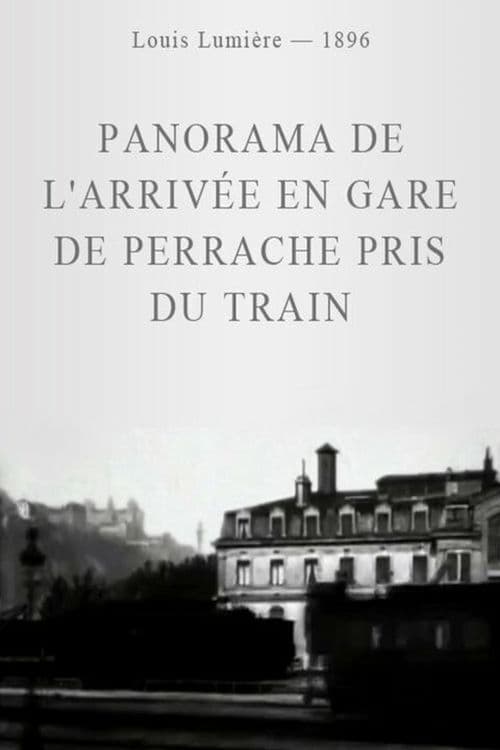
This groundbreaking short film captures the perspective from aboard a train as it pulls into Perrache station in Lyon, France. The camera, positioned on the moving train, provides viewers with a revolutionary point-of-view shot that was unprecedented for its time. As the train approaches the station platform, we see the station building, waiting passengers, and railway workers in motion. The film concludes with the train coming to a complete stop, offering a brief glimpse of daily life at one of France's major railway hubs during the late 19th century.
Director
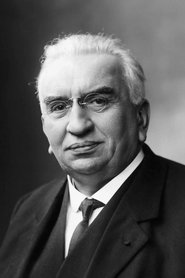 Louis Lumière
About the Production
Release Date 1896
Budget Minimal - early experimental film costs were negligible by modern standards
Box Office Not applicable - early Lumière films were not commercially released in the modern sense but shown in special exhibitions
Production Société Lumière
Filmed In Gare de Perrache, Lyon, France
Filmed using the Lumière Cinématographe, which served as both camera and projector. The camera was mounted directly on the train, creating one of cinema's first moving camera shots. This was technically challenging for 1896, requiring the camera to be stabilized on a moving vehicle. The film was shot on 35mm film at approximately 16 frames per second, standard for Lumière productions.

Themes & Topics
Historical Background
This film was created during the revolutionary birth of cinema in 1896, just months after the Lumière brothers' first public screening on December 28, 1895, at the Grand Café in Paris. The late 19th century was a period of tremendous technological innovation, with railways representing the pinnacle of modern transportation and progress. France was experiencing the Belle Époque, a time of cultural and artistic flourishing, and Lyon was an industrial center known for silk production and innovation. The Lumière brothers, sons of a photographer, had perfected their Cinématographe device and were actively creating short actuality films to demonstrate its capabilities to potential buyers and the public.
Why This Film Matters
This film is historically significant as one of the earliest examples of a moving camera shot, establishing techniques that would become fundamental to cinema language. It represents the Lumière brothers' documentary approach to filmmaking, capturing real life rather than staging theatrical productions. The railway theme reflected society's fascination with modern technology and the shrinking of distances through transportation advances. These early train films helped establish cinema as a medium capable of capturing motion and perspective in ways impossible with still photography, influencing generations of filmmakers. The film also demonstrates how quickly cinema evolved from static camera shots to more dynamic perspectives within its first year.
Making Of
The filming of this piece required innovative mounting techniques to secure the Cinématographe to the train while minimizing vibration. Louis Lumière personally supervised many of these early railway films, as the family had connections to the railway industry through their photographic supply business. The camera operator had to work quickly and efficiently as film stock was expensive and each shot had to be perfectly composed in-camera since editing was virtually non-existent in 1896. The film was processed in the Lumière factory in Lyon, which had been converted from their photographic plate manufacturing facility.
What Critics Said
Contemporary reception of this film was part of the general wonder and astonishment audiences felt at early cinema exhibitions. Critics and viewers of the time were particularly impressed by films that showed motion from unusual perspectives. Modern film historians and scholars recognize this work as an important step in the development of cinematic language, particularly in camera movement. The film is frequently cited in studies of early cinema as an example of the rapid experimentation happening in 1896 as filmmakers discovered the possibilities of the new medium.
Did You Know?
- This film represents one of the earliest examples of a moving camera shot in cinema history
- The Lumière brothers often filmed railway scenes as they represented modernity and technological progress of the era
- Perrache station was named after its designer Antoine-Michel Perrache and opened in 1857
- The film was likely shown as part of the Lumière brothers' traveling exhibitions that brought cinema to audiences worldwide
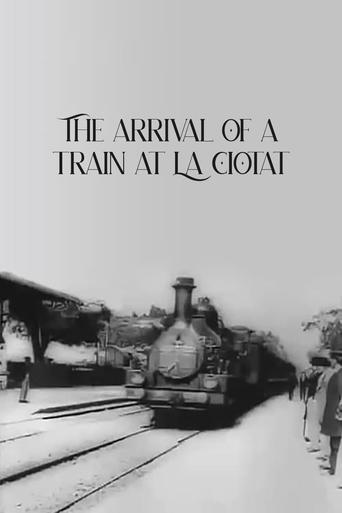
- Unlike the famous 'Arrival of a Train at La Ciotat' which shows a train approaching the camera, this film reverses the perspective
- The Cinématographe device used to film this weighed only about 5 kilograms, making it portable enough to mount on trains
- This film predates what many consider the first tracking shots by several years
- The Lumière brothers saw their films as 'animated photographs' rather than entertainment
- Only about 1,400 of the Lumière brothers' 1,423 films survive today
- The film was shot during the same year as the first public film screening in Paris (December 28, 1895)
More film details Visual style, music, quotes, restoration, and more
Visual Style
The cinematography represents a breakthrough in camera movement, utilizing the Cinématographe mounted on a moving train to create a tracking shot effect. The composition shows the station approaching from the viewer's perspective, creating an immersive experience. The natural lighting and lack of artificial staging is characteristic of Lumière's documentary style. The frame captures the architectural details of Perrache station and the movement of people on the platform, demonstrating the camera's ability to record multiple simultaneous actions. The technical achievement of maintaining a relatively stable image while filming from a moving vehicle was remarkable for 1896.
Innovations
This film pioneered the moving camera shot, one of the first examples of what would later be called tracking or dolly shots. The successful mounting and operation of the Cinématographe on a moving train demonstrated the device's portability and versatility. The film showcases the Lumière brothers' understanding of perspective and their ability to use camera movement to create immersive experiences. The technical execution of filming from a moving vehicle without excessive camera shake was a significant achievement in 1896, requiring innovative mounting solutions and careful timing.
Music
Silent film - no original soundtrack was created. During early exhibitions, these films were often accompanied by live music, typically a pianist or small ensemble who would improvise appropriate music. The musical accompaniment would have been chosen to match the rhythm of the train and the mood of arrival, often using popular songs of the era or classical pieces that suited the visual action.
Memorable Scenes
- The entire film consists of a single continuous shot from the perspective of a train passenger as the train approaches and arrives at Perrache station, with the platform and station building gradually coming into view and passengers becoming visible as the train slows to a stop.
What Audiences Thought
Audiences in 1896 were reportedly fascinated by the immersive quality of films shot from moving vehicles. The perspective of being aboard a train created a sensation of movement that was particularly thrilling to viewers who had never experienced such visual representation before. These railway films were among the most popular subjects in early Lumière exhibitions because they combined the novelty of cinema with the public's fascination with trains. The film would have been part of a program of approximately 10-12 short films shown in a single session, each demonstrating different aspects of the Cinématographe's capabilities.
Film Connections
Influenced By
- Earlier Lumière films showing stationary trains
- Photography of railway scenes
- The tradition of travelogue imagery
This Film Influenced
- Later tracking shots in cinema
- Train films throughout film history
- Point-of-view shots in narrative cinema
- Transportation documentaries
Film Restoration
Preserved - The film survives in the Lumière Institute archives in Lyon and has been digitally restored. It is part of the collection of early Lumière films that have been preserved and made accessible to scholars and the public.
Where to Watch
- Available on various streaming platforms specializing in classic cinema
- Lumière Institute digital collections
- YouTube archives
- Film preservation websites
- Educational film databases