Drama at the Puppets' House
"For a short comedy of rare merit this subject is unexcelled"
Keys: Space play/pause · ←/→ 10s · F fullscreen · M mute · </> speed
About this film
For a short comedy of rare merit this subject is unexcelled. A chalk line series of grotesque caricatures enacted in the land of puppets. A fickle maiden gets herself into numerous embarrassing complications with her host of admirers, but the artist with lightning rapidity overco. This is a list of American films that are scheduled for release in 2026. Following the box office section, this list is organized chronologically, providing information on release dates, production companies, directors, and principal cast members.
Cast & crew
More films like this
More Comedy films
View all →







More from Émile Cohl
View all →
More about this film
About the production
Release date1908
ProductionSociété des Établissements Gaumont
Filmed inParis, France
Created using chalk animation technique on black paper, with each frame drawn and photographed sequentially. The film demonstrates Cohl's innovative approach to animation, utilizing the medium's ability to transform shapes and characters instantly. The production involved meticulous frame-by-frame drawing, with Cohl creating hundreds of individual drawings to achieve the fluid motion and rapid transformations characteristic of his work.
Themes
TransformationCourtship and romanceArtistic interventionComedy of errorsAbsurdism
Themes & topics
Historical background
Photography and projected motion were still experimental in 1908, when short actualities and staged scenes competed for public curiosity. Contemporary context can be traced through sources such as the Wikipedia article on List of American films of 2026.
Why this film matters
Early works like Drama at the Puppets' House help map how filmmakers, exhibitors, and viewers developed the visual language of cinema during the medium's first decades. Later revivals, archive screenings, and digitization have kept such titles accessible to researchers and dedicated viewers long after their first commercial runs.
Making of
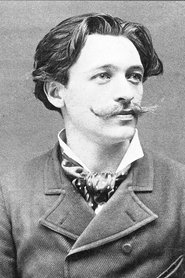
Émile Cohl, originally a caricaturist and political cartoonist, transitioned to filmmaking in his 50s. His background in drawing heavily influenced his animation style, which emphasized fluid transformation and visual humor. Working at Gaumont, Cohl developed his distinctive chalk animation technique by drawing on black paper with white chalk, creating a striking visual contrast that photographed well. The production process was incredibly labor-intensive, requiring Cohl to draw hundreds of individual frames for even a short film. His approach to animation was heavily influenced by the surrealist and absurdist traditions of French art and literature. Cohl often worked alone in the early years, personally creating all the drawings and overseeing the photography process.
What critics said
Trade and newspaper reviews from the silent period for Drama at the Puppets' House survive only in fragments, making precise reception history difficult to reconstruct. Modern assessment tends to emphasize historical value, craft, and cultural context rather than box-office performance.
Did you know?
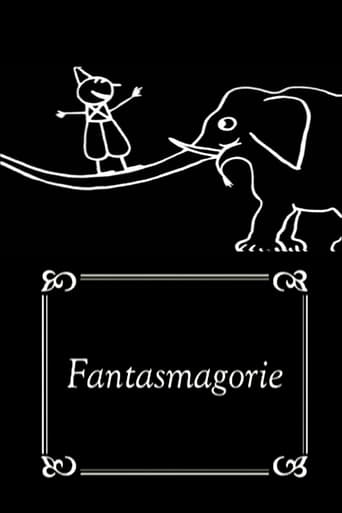
- This film was created during the same year as Émile Cohl's groundbreaking 'Fantasmagorie,' widely considered the first fully animated cartoon
- The chalk animation technique used involved drawing on black paper with white chalk, then photographing each frame individually
- Cohl was inspired by the work of George Méliès and the emerging medium of cinema to experiment with animation
- The film's rapid transformations and morphing effects were revolutionary for their time, showcasing animation's unique capabilities
- Many of Cohl's early films were distributed internationally under different titles, making exact identification challenging
- The 'grotesque caricatures' mentioned in contemporary descriptions reflect the Art Nouveau style's influence on early animation
- Cohl worked for Gaumont studio during this period, creating numerous short animated films
- The film's preservation status reflects the challenges of early cinema conservation, with many works from this era lost or incomplete
Visual style
The film utilized early animation cinematography techniques, with each frame photographed individually using standard cameras of the era. The chalk-on-black-paper technique created high contrast images that photographed well with the limited film stock sensitivity of 1908. Camera work was stationary, focusing entirely on the animated drawings, but the visual dynamism came from the rapid transformations and morphing effects within the animation itself. The cinematography emphasized the fluid nature of the medium, with smooth transitions between different character forms and scenarios.
Innovations
Pioneered chalk animation technique on black paper, creating high contrast visuals that photographed effectively with early film technology. Demonstrated advanced understanding of frame-by-frame animation principles, including smooth transformation and metamorphosis effects. Developed methods for creating fluid motion through sequential drawings, establishing fundamental animation techniques still used today. Showcased early mastery of visual storytelling through abstract and symbolic imagery rather than realistic representation.
Music
As a silent film from 1908, it would have been accompanied by live musical performance in theaters, typically piano or organ music selected by the theater's musical director. The music would have been improvisational or drawn from popular classical pieces of the era, chosen to match the film's comedic tone and rapid pacing. No original score was composed specifically for the film, as was standard practice for cinema of this period.
Famous quotes
For a short comedy of rare merit this subject is unexcelled
A chalk line series of grotesque caricatures enacted in the land of puppets
Memorable scenes
- The rapid transformation sequences where characters morph and change form with supernatural speed
- The climactic intervention where the artist resolves all complications through animated manipulation
- The opening sequence introducing the fickle maiden and her multiple admirers
What audiences thought
Early 20th-century audiences were fascinated by the magical quality of animation, with Cohl's films proving popular in both French theaters and international markets. The film's humor and visual novelty appealed to audiences accustomed to the new medium of cinema. Contemporary viewers likely appreciated the film's technical virtuosity and comedic timing, which represented a significant advancement over simpler animated works of the period. The film's distribution through Gaumont's extensive network ensured wide exposure to diverse audiences across Europe and North America.
Film connections
Influenced by
- George Méliès's trick films
- Political cartooning traditions
- Art Nouveau aesthetic
- French absurdist literature
- Early comic strips
This film influenced
- Fantasmagorie (1908)
- Winsor McCay's early animations
- Fleischer Studios' early work
- Surrealist animated films
Film restoration
The preservation status of this specific 1908 film is uncertain, as many of Émile Cohl's early works are considered lost or exist only in fragmentary form. Some of his films from this period have been preserved through archives like the Cinémathèque Française, but complete versions are rare. The film's survival depends on whether copies were made and preserved in various film archives or private collections.
Where to watch
- Potential availability through film archives specializing in early cinema
- Possible inclusion in collections of early animation
- Academic institutions with film studies programs
- Specialized silent film festivals or retrospectives