Émile Cohl
Director
Born: January 4, 1857 in Paris, France Died: January 20, 1938 Active: 1907-1921 Birth Name: Émile Eugène Jean Louis Courtet
Films
9 films
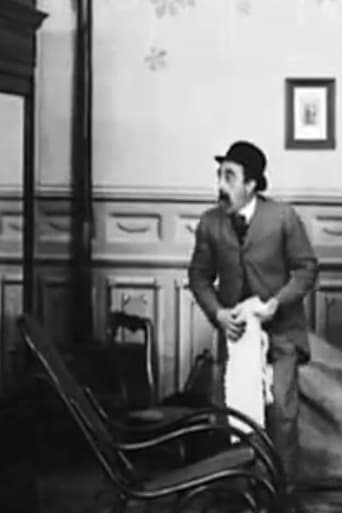
About Émile Cohl
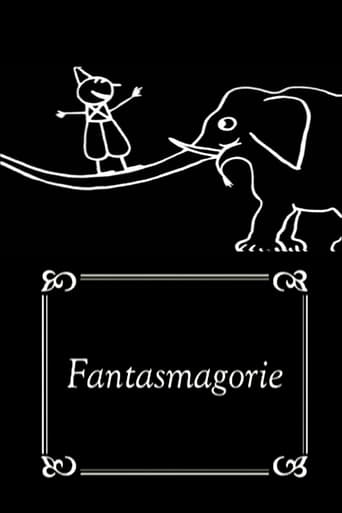
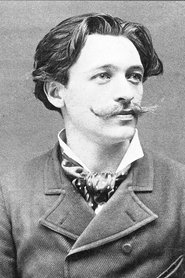
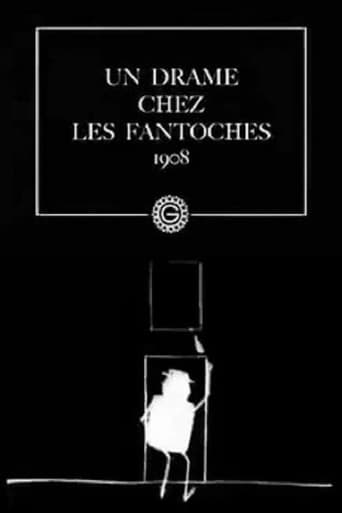
Émile Cohl, born Émile Eugène Jean Louis Courtet, was a French caricaturist, animator, and filmmaker who is widely regarded as the 'Father of the Animated Cartoon.' He began his career as a political caricaturist for various Parisian newspapers before transitioning to filmmaking in the early 1900s. In 1908, he created 'Fantasmagorie,' considered by film historians to be the first fully animated cartoon, which he produced for Gaumont studios. Cohl developed innovative animation techniques including cutout animation, puppet animation, and traditional hand-drawn animation, establishing many of the foundational principles of the medium. He worked extensively in France before moving to the United States in 1912, where he worked for several American studios including Éclair and later for William Randolph Hearst's International Film Service. Despite his contributions, Cohl struggled financially in his later years and returned to France in 1921, where he continued working until his death. His influence on animation is immeasurable, with his techniques and storytelling methods directly influencing generations of animators who followed.
The Craft
Behind the Camera
Émile Cohl's directing style was characterized by surreal, dreamlike imagery and rapid, fluid motion. He pioneered the use of metamorphosis in animation, where objects and characters would seamlessly transform into one another. His films often featured abstract shapes and figures that moved with exaggerated, rubbery quality, creating a sense of magical realism. Cohl's approach emphasized visual experimentation over narrative coherence, focusing on the pure possibilities of animated movement. He frequently used negative space and simple line drawings to create complex visual effects, demonstrating a sophisticated understanding of animation's unique capabilities.
Milestones
- Created 'Fantasmagorie' (1908), first fully animated cartoon
- Developed foundational animation techniques
- Worked at Gaumont studios
- Directed over 250 animated films
- Pioneered cutout and puppet animation methods
- Moved to America to work for Éclair and International Film Service
- Created the first animated series with recurring characters
Best Known For
Must-See Films
Accolades
Special Recognition
- Posthumously recognized as 'Father of Animation' by film historians
- Inducted into the Animation Hall of Fame
- Featured in major retrospectives at Centre Pompidou and Museum of Modern Art
Working Relationships
Worked Often With
Studios
Why They Matter
Impact on Culture
Émile Cohl's impact on cinema and animation cannot be overstated, as he essentially created the language of animated film. His 1908 masterpiece 'Fantasmagorie' established the fundamental principles of animation that would be used by generations of animators to follow. Cohl's innovations in metamorphosis, character design, and visual storytelling laid the groundwork for everything from Disney's early shorts to modern computer animation. His work demonstrated that animation could be more than just a novelty act, elevating it to a legitimate artistic medium capable of expressing complex ideas and emotions. Cohl's influence extended beyond France to America, where his techniques were adopted and adapted by early American animation pioneers, helping establish the United States as a center of animation production. His surreal, dreamlike aesthetic anticipated surrealist art movements and influenced not just animators but also experimental filmmakers and artists across disciplines.
Lasting Legacy
Émile Cohl's legacy as the 'Father of Animation' continues to be celebrated by film historians and animators worldwide. His work in establishing animation as a distinct art form has earned him recognition alongside other early cinema innovators like Georges Méliès and the Lumière brothers. Modern animators frequently cite Cohl's techniques as foundational to their craft, particularly his innovative use of metamorphosis and abstract imagery. The Émile Cohl Prize is awarded annually in France for outstanding achievement in animation, ensuring his name remains prominent in contemporary animation circles. His films are preserved in major film archives and regularly screened at animation festivals and museum retrospectives, where they continue to inspire new generations of artists. Cohl's influence can be seen in everything from avant-garde animation to mainstream cartoons, proving that his experimental approach to the medium has had lasting and widespread impact.
Who They Inspired
Émile Cohl directly influenced the first generation of professional animators, including American pioneers like Winsor McCay, John Randolph Bray, and Walt Disney. His techniques for creating fluid movement and character transformation became standard practices in animation studios worldwide. Cohl's work with cutout animation inspired later developments in paper animation and influenced the development of stop-motion techniques. His emphasis on surreal, dreamlike imagery anticipated the work of later experimental animators like Oskar Fischinger and Norman McLaren. The concept of animated series with recurring characters, which Cohl helped develop, became the foundation for television animation in the mid-20th century. Contemporary animators working in abstract and experimental styles frequently reference Cohl as a primary influence, and his films are studied in animation schools as essential examples of early animation artistry.
Off Screen
Émile Cohl was born into a middle-class Parisian family and showed artistic talent from an early age. He married Marie-Louise Gilly in 1883, with whom he had two children. His daughter Andrée Cohl later became his assistant and collaborator on several animation projects. Cohl was known for his eccentric personality and bohemian lifestyle, frequently associating with artists and intellectuals in Paris's Montmartre district. Despite his professional success, he faced financial difficulties throughout his life, particularly during his later years. His political caricature work occasionally landed him in trouble with authorities, leading to brief periods of imprisonment. Cohl returned to France in 1921 and spent his final years living modestly in Paris, continuing to draw and create art until his death in 1938.
Education
Self-taught artist, attended École professionnelle de Pantin briefly for mechanical drawing
Family
- Marie-Louise Gilly (1883-1938)
Did You Know?
- Created the first animated film 'Fantasmagorie' by drawing 700 double-exposed drawings on paper
- The name 'Cohl' was an anagram of his surname 'Courtet'
- Worked as a political caricaturist under the pseudonym 'Lecoq' before entering film
- His film 'Fantasmagorie' was only 1 minute and 45 seconds long
- Was imprisoned briefly for his political cartoons criticizing the French government
- Created over 250 animated films during his 14-year career in animation
- His daughter Andrée was one of the first female animators in film history
- Fled France in 1912 after his studio was destroyed in a fire
- Worked briefly for William Randolph Hearst's animation studio in New York
- His films were often shown alongside live-action performances in Parisian music halls
- Developed a technique called 'paper cutout animation' that is still used today
- Was friends with fellow animation pioneer Georges Méliès
In Their Own Words
Animation is not the art of drawings that move but the art of movements that are drawn.
In animation, we are not bound by the laws of physics or reality - we are only bound by the limits of our imagination.
Every frame is a new opportunity to create magic.
The pencil is mightier than the camera when it comes to creating impossible dreams.
I do not draw what I see, I draw what can be seen only in motion.
Frequently Asked Questions
Who was Émile Cohl?
French caricaturist, animator, and filmmaker widely regarded as the 'Father of the Animated Cartoon.' He created the first fully animated film 'Fantasmagorie' in 1908 and developed many foundational animation techniques still used today.
What films is Émile Cohl best known for?
Titles linked here include Fantasmagorie (1908), The Puppet's Nightmare (1908).
When was Émile Cohl born and when did he die?
Born January 4, 1857; died January 20, 1938.
What awards did Émile Cohl win?
During his lifetime, Cohl received little formal recognition, but he has been posthumously honored as the 'Father of Animation' and inducted into the Animation Hall of Fame. The Émile Cohl Prize is now awarded annually in his honor.
What was Émile Cohl's directing style?
Cohl's directing style featured surreal, dreamlike imagery with rapid, fluid motion and frequent metamorphosis where objects transformed seamlessly. He emphasized visual experimentation over narrative, using abstract shapes and exaggerated movement to explore animation's unique possibilities.