Dzhyabzha
"Nanai girl flees witch to the Moon"
Keys: Space play/pause · ←/→ 10s · F fullscreen · M mute · </> speed
About this film
Nanai girl imprisoned by witch Dzhyabzha escapes toward the Moon with forest friends. A 1938 Soviet Far East fairy tale.
Cast & crew
More films like this
More Animation films
View all →



More from Mstislav Pashchenko
View all →
More about this film
About the production
Release date1938
ProductionSoyuzmultfilm
Filmed inMoscow, Soviet Union
Created during the early years of Soyuzmultfilm, which was founded in 1936. The film was produced using traditional cel animation techniques typical of the era. The production incorporated elements of Nanai (Goldi) indigenous folklore from the Russian Far East, making it one of the earliest Soviet animated films to feature indigenous Siberian themes. The animation was hand-drawn and colored using the limited color palettes available in 1930s Soviet animation.
Themes
Good versus evilFriendship and cooperationEscape from oppressionIndigenous folkloreNature versus civilization
Themes & topics
Historical background
Archival records place Dzhyabzha in 1938, a year when the early sound era shaped what theaters booked.
Why this film matters
Retrospectives include Dzhyabzha when mapping craft and subject matter from the early sound era.
Making of
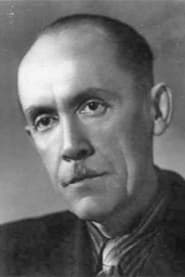
The film was created during a formative period for Soviet animation, as the industry was establishing its identity separate from Western influences. Director Mstislav Pashchenko worked with a small team of animators at the newly formed Soyuzmultfilm studio. The production team conducted research into Nanai folklore to ensure authentic representation of the cultural elements. The animation process involved hand-drawing each frame on paper, then transferring to cels for coloring and filming. The political climate of 1938 Soviet Union meant that all artistic works had to align with socialist principles, though folklore themes were generally acceptable as they represented the diverse cultures within the USSR. The film's combination of traditional folklore with the fantastical element of space travel reflected the Soviet Union's growing interest in science and technology during this period.
What critics said
Critics revisiting Dzhyabzha emphasize performative and technical choices visible in surviving prints.
Did you know?
- This is one of the earliest surviving works by director Mstislav Pashchenko, who would later become a prominent figure in Soviet animation
- The film's title character Dzhyabzha is based on witch figures from Nanai (also known as Goldi) folklore
- The Nanai people are an indigenous Tungusic people native to the Russian Far East, particularly along the Amur River
- 1938 was during Stalin's Great Purge, making this a particularly challenging time for artists and filmmakers in the Soviet Union
- The film was produced by Soyuzmultfilm just two years after the studio's founding in 1936
- The escape to the Moon theme was unusual for the time, combining folklore with science fiction elements
- Very few prints of the release are known to survive, making it extremely rare today
- The film represents early Soviet efforts to incorporate diverse ethnic folklore into animation
- Animation in the Soviet Union during this period was heavily influenced by Disney but developing its own distinct style
- The film's short runtime was typical of animated shorts produced during this era
Visual style
The film utilized traditional cel animation techniques common in the 1930s, with hand-drawn characters and backgrounds. The visual style reflects the aesthetic of early Soviet animation, which was influenced by Disney but developing its own distinctive characteristics. The animation likely featured limited movement due to budget constraints and technical limitations of the era. Color was used sparingly, as full-color animation was expensive and technically challenging in the Soviet Union during this period. The forest scenes would have featured lush, detailed backgrounds while the witch's domain would have been rendered in darker, more menacing tones to create visual contrast. The Moon sequences would have allowed for more fantastical and experimental visual designs.
Innovations
While not technically groundbreaking for its era, the film demonstrated the growing capabilities of the Soviet animation industry just two years after Soyuzmultfilm's establishment. The combination of folklore with science fiction elements was relatively innovative for the time. The film's representation of indigenous Nanai culture in animation was pioneering for Soviet cinema. The animation techniques used, while standard for the period, showed the increasing sophistication of Soviet animators in creating expressive character animation and atmospheric backgrounds. The production would have used the latest animation equipment available in Soviet studios of the late 1930s, including rostrum cameras and optical printers for special effects.
Music
The film would have featured a musical score typical of Soviet animation of the 1930s, combining folk-inspired melodies with orchestral arrangements. The music likely incorporated elements of traditional Nanai or Siberian folk music to enhance the cultural authenticity of the story. Sound design would have been created using the audio technology available in Soviet studios during this period, with sound effects created manually. The film probably included minimal dialogue, relying more on visual storytelling and musical cues to convey the narrative. The score would have been performed by Soviet studio musicians, possibly incorporating traditional instruments to evoke the Siberian setting.
Famous quotes
We will fly to the Moon, where no witch can reach us!
The forest is our friend, and the animals are our family
Even the smallest creature can help defeat the greatest evil
Memorable scenes
- The dramatic moonlit escape sequence where the girl and her animal friends flee the witch's hut, using the light of the full moon to guide their path through the enchanted forest
- The magical transformation scene as the animals help the girl prepare for their journey to the Moon, gathering special items and creating their means of flight
- The witch Dzhyabzha's first appearance, emerging from the shadows of her dark hut with her distinctive animated movements and menacing presence
What audiences thought
Information about contemporary audience reception in 1938 is not well-documented. Soviet audiences of the era had limited exposure to animation, so most animated shorts were received with curiosity and interest. The film's folklore elements would have been familiar to audiences familiar with Russian and Siberian folk tales, while the science fiction aspect of traveling to the Moon would have been novel and exciting. Modern audiences rarely have the opportunity to see the release due to its rarity, but when screened at animation festivals or archival presentations, it is generally viewed as a fascinating historical artifact that provides insight into early Soviet animation.
Film connections
Influenced by
- Disney animation style
- Russian folklore traditions
- Nanai indigenous stories
- Early Soviet animation pioneers
This film influenced
- Later Soviet folklore animations
- Post-war Soyuzmultfilm productions
- Modern Russian animated folklore adaptations
Film restoration
The film is considered extremely rare with very few known prints in existence. It is preserved in the Gosfilmofond Russian State Archive but is not widely available for public viewing. The film's survival status makes it a significant artifact for animation historians, though restoration efforts have been limited due to its obscurity and the condition of existing prints. Some portions may be lost or severely degraded due to the age and poor storage conditions of early Soviet film materials.
Where to watch
- Gosfilmofond Russian State Archive (research access only)
- Occasional screenings at animation film festivals
- Specialized Soviet cinema retrospectives
- Film archive collections (limited access)